What Is Cycle Syncing for Hormones and How Can It Benefit You?
If you’ve ever felt more energetic in the middle of your cycle or experienced mood swings as your period approaches, you’re not alone. Your body is constantly adjusting to hormonal fluctuations, and many people are turning to a practice called cycle syncing to better understand and support their bodies throughout the month. But what exactly is cycle syncing for hormones, and how can it help you feel your best?
Cycle syncing is a lifestyle approach that aligns your daily habits—like diet, exercise, and sleep—with the natural phases of your menstrual cycle. The idea is that by paying attention to these hormonal shifts, you can make choices that support your overall well-being. While the concept has gained popularity on social media, it’s also backed by some scientific insights into how your body functions.
In this article, we’ll explore what cycle syncing is, how it works, and whether it can truly benefit your hormonal health. We’ll also look at what the experts say about the science behind it and provide practical tips for those interested in trying it out.

Understanding the Phases of the Menstrual Cycle

To understand cycle syncing, it’s important to first recognize the four main phases of the menstrual cycle:
- Menstrual Phase: This is when the uterine lining sheds, and your period begins. Estrogen and progesterone levels are at their lowest.
- Follicular Phase: After your period ends, estrogen levels rise, and the follicles in your ovaries begin to mature. This phase is often associated with increased energy and motivation.
- Ovulatory Phase: Around day 14 of your cycle, estrogen peaks, and a mature egg is released from the ovary. This is typically the most fertile time of your cycle.
- Luteal Phase: After ovulation, progesterone levels rise, preparing the body for potential pregnancy. If no pregnancy occurs, hormone levels drop, leading to premenstrual symptoms (PMS).
Each phase brings unique changes in hormone levels, which can affect your energy, mood, appetite, and even your metabolism. Cycle syncing aims to align your lifestyle choices with these natural rhythms.
How Does Cycle Syncing Work?

Cycle syncing involves making intentional adjustments to your daily routine based on where you are in your cycle. These adjustments can include:
- Diet: Eating foods that support your body’s needs during each phase.
- Exercise: Choosing activities that match your energy levels and physical state.
- Sleep: Adjusting your rest patterns to accommodate hormonal fluctuations.
- Stress Management: Practicing mindfulness or relaxation techniques that align with your cycle.
For example, during the luteal phase, when progesterone rises and energy may dip, you might focus on eating complex carbohydrates and magnesium-rich foods to stabilize blood sugar and ease PMS symptoms. In contrast, during the follicular phase, when estrogen is high and energy is up, you might increase your intake of lean proteins and healthy fats to fuel workouts.
What Are the Potential Benefits?

While cycle syncing isn’t a magic solution, many people report feeling more in tune with their bodies and experiencing fewer symptoms when they align their habits with their cycle. Here are some potential benefits:
- Improved Energy Levels: By matching your activity level with your energy, you may feel more motivated and less fatigued.
- Reduced PMS Symptoms: Eating nutrient-dense foods and managing stress during the luteal phase may help ease cramps, bloating, and mood swings.
- Better Mood Regulation: Hormonal fluctuations can impact your emotional state, and cycle syncing may help you anticipate and manage these changes.
- Enhanced Sleep Quality: Adjusting your sleep schedule to match your cycle can lead to more restful and consistent rest.
However, it's important to note that the science behind cycle syncing is still evolving. While some studies suggest that hormonal changes do influence metabolism and appetite, there’s limited evidence that specific dietary or exercise strategies will "balance" your hormones in a meaningful way.
What Should You Eat During Each Phase?

Nutrition plays a key role in cycle syncing. Here’s a general guide for what to eat during each phase of your cycle:
Menstrual Phase (Days 1–5)
- Focus on iron-rich foods like red meat, leafy greens, and legumes to replenish lost nutrients.
- Pair iron with vitamin C (e.g., bell peppers, oranges) to boost absorption.
- Include omega-3 fatty acids (salmon, flaxseeds) to reduce inflammation and cramping.
Follicular Phase (Days 6–14)
- Increase lean protein (chicken, tofu, eggs) and complex carbs (quinoa, sweet potatoes) for sustained energy.
- Incorporate cruciferous vegetables (broccoli, kale) to support liver function and estrogen balance.
Ovulatory Phase (Days 14–17)
- Continue with healthy fats (avocados, nuts) and fiber-rich foods (whole grains, fruits).
- Consider folic acid sources like leafy greens if you're trying to conceive.
Luteal Phase (Days 18–28)
- Focus on complex carbohydrates (brown rice, oats) to stabilize blood sugar.
- Include magnesium-rich foods (dark chocolate, pumpkin seeds) to ease mood swings and cramps.
- Avoid restrictive diets and aim for small, balanced meals throughout the day.
What Cycle Syncing Won’t Do

It’s important to set realistic expectations. While cycle syncing can be a helpful tool, it’s not a cure-all for hormonal imbalances or irregular cycles. Experts caution against overpromising:
- No single food or strategy will “balance” your hormones. Hormonal health is influenced by many factors, including sleep, stress, and overall nutrition.
- There’s no strong clinical evidence that syncing your diet or workouts to your cycle will fix irregular periods or hormonal conditions.
- Cycle syncing isn’t suitable for everyone. Those on birth control, pregnant, or with certain medical conditions (like PCOS) may not benefit from this approach.
Is Cycle Syncing Right for You?

Cycle syncing can be a valuable self-awareness tool, especially for those who want to better understand their bodies. However, it’s not a one-size-fits-all solution. Before starting, consider:
- Your health history: If you have a history of disordered eating, hormonal disorders, or are on birth control, consult a healthcare provider.
- Your lifestyle: If you’re busy or have inconsistent routines, finding time to track your cycle and adjust habits may be challenging.
- Your goals: Are you looking to improve energy, manage symptoms, or support fertility? Cycle syncing can be tailored to fit your needs.
Final Thoughts
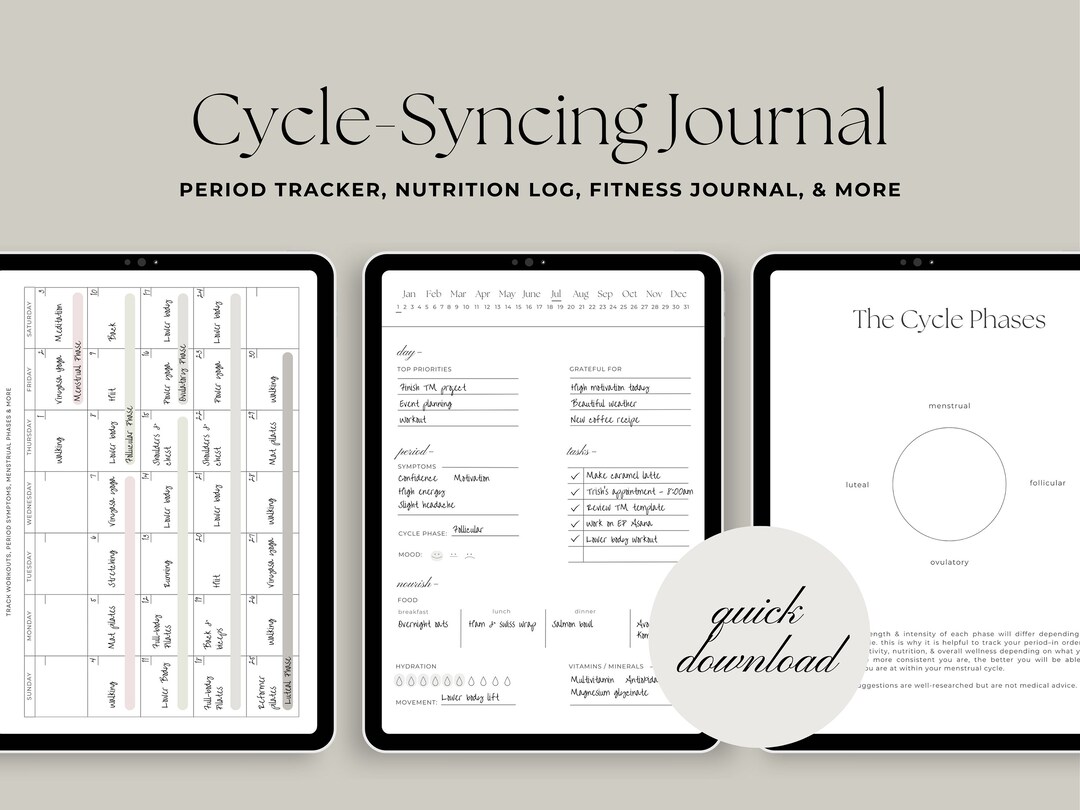
Cycle syncing for hormones is more than just a trend—it’s a way to deepen your connection with your body and make informed choices that support your well-being. While the science is still developing, many find value in paying attention to their natural rhythms and adjusting their habits accordingly.
Whether you’re new to cycle syncing or have been practicing it for years, remember that your body is unique. The goal isn’t to follow rigid rules but to listen to what feels right for you. With a balanced approach and a focus on overall health, cycle syncing can be a powerful tool in your wellness journey.

Post a Comment for "What Is Cycle Syncing for Hormones and How Can It Benefit You?"
Post a Comment