Understanding Trauma-Informed Nervous System Healing: A Comprehensive Guide
Trauma is not just an event; it's a deeply embedded experience that reshapes the nervous system. For many, the effects of trauma are not just emotional—they manifest physically, mentally, and behaviorally. Understanding trauma-informed nervous system healing is crucial for anyone seeking to recover from past wounds, whether they’ve experienced childhood neglect, abuse, or even chronic stress. This guide explores how trauma impacts the nervous system, what signs to look for, and practical strategies for healing.

The Neurobiology of Trauma and the Nervous System

The human nervous system is designed to protect us. When we face danger, it triggers a fight-or-flight response, preparing our bodies to either confront or escape the threat. However, when trauma occurs—especially during critical developmental stages—the nervous system can become dysregulated. This means it may remain in a heightened state of alertness, even when there’s no immediate danger.
Trauma affects key brain regions such as the amygdala, hippocampus, and prefrontal cortex. The amygdala becomes hyperactive, making individuals more sensitive to perceived threats. The hippocampus, responsible for memory, may shrink, leading to difficulties distinguishing between past and present dangers. Meanwhile, the prefrontal cortex, which manages decision-making and emotional regulation, often shows reduced activity. These changes create a cycle where the nervous system remains on high alert, even in safe environments.
Recognizing Symptoms of Nervous System Dysregulation

Nervous system dysregulation can manifest in various ways, both physically and emotionally. Common symptoms include:
- Hyperarousal: Feelings of constant anxiety, hypervigilance, and difficulty relaxing.
- Hypoarousal / Dissociation: Emotional numbness, detachment, and a sense of disconnection from reality.
- Physical Complaints: Chronic pain, fatigue, sleep disturbances, and gastrointestinal issues.
- Emotional Instability: Intense anger, fear, sadness, or shame, often triggered by seemingly minor events.
These symptoms are not flaws—they are the body’s way of signaling that something is out of balance. Recognizing these signs is the first step toward healing.
The Healing Process: What to Expect

Healing from trauma is not linear. It involves retraining the nervous system to respond differently to stress and triggers. The process can take time, but with the right support and strategies, recovery is possible.
Some common signs of healing include:
- Improved sleep and energy levels.
- Reduced physical tension and pain.
- Increased emotional resilience and stability.
- A greater sense of safety and connection to others.
It’s important to remember that healing is not about erasing the past—it’s about creating new neural pathways that allow for more balanced responses to stress.
Practical Strategies for Nervous System Regulation
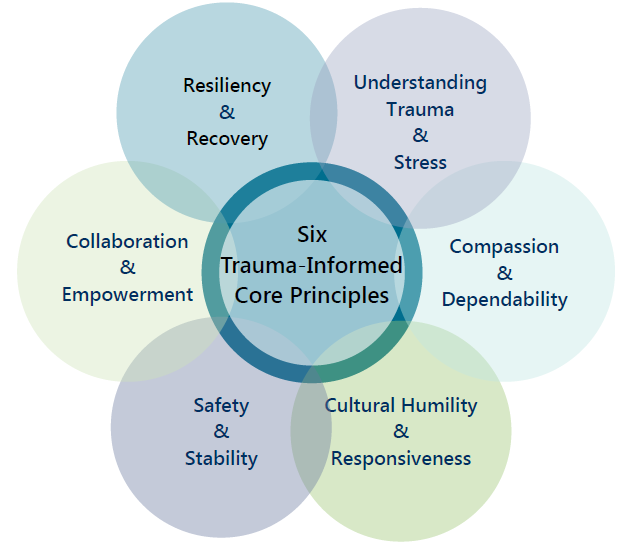
There are numerous evidence-based approaches to help regulate the nervous system. Here are some effective strategies:
- Mindfulness and Breathing Techniques: Practices like diaphragmatic breathing or the 4-7-8 technique activate the parasympathetic nervous system, promoting relaxation.
- Somatic Experiencing: This body-centered therapy helps release stored trauma by focusing on physical sensations and grounding techniques.
- Neurofeedback: This technology uses real-time feedback to train the brain to regulate itself more effectively.
- Movement and Bodywork: Activities like yoga, Tai Chi, and massage can help release tension and improve bodily awareness.
- Trauma-Informed Therapy: Approaches like EMDR (Eye Movement Desensitization and Reprocessing) and CBT (Cognitive Behavioral Therapy) address the psychological impact of trauma.
The Role of Relationships in Healing

Healing doesn’t happen in isolation. Our relationships play a vital role in regulating the nervous system. Safe, supportive connections can help us feel grounded and secure, while toxic or unstable relationships can trigger dysregulation.
In couples therapy, trauma-informed care focuses on understanding how each partner’s nervous system responds to stress. By learning to recognize and respond to each other’s needs, partners can create a safer, more connected relationship.
Building Resilience Through Self-Care

Self-care is a cornerstone of nervous system healing. Small, consistent practices can make a big difference over time. Consider incorporating:
- Regular Physical Activity: Exercise releases endorphins and reduces stress.
- Healthy Sleep Habits: Prioritize rest and establish a calming bedtime routine.
- Nutrition: A balanced diet supports brain function and emotional stability.
- Social Connection: Spend time with loved ones and engage in community activities.
Embracing the Journey

Healing from trauma is a deeply personal journey. It requires patience, compassion, and a willingness to listen to your body. There is no one-size-fits-all approach, but with the right tools and support, it’s possible to restore balance and resilience.
Remember, your nervous system is not broken—it’s trying to protect you. By understanding its signals and responding with care, you can begin to heal and live a more regulated, fulfilling life.

Post a Comment for "Understanding Trauma-Informed Nervous System Healing: A Comprehensive Guide"
Post a Comment