Understanding the Trauma-Informed Nervous System: Key Insights for Healing and Awareness

When we think about trauma, we often focus on the events that caused it—like abuse, loss, or violence. But what if the real key to healing lies not in the event itself, but in how our nervous system responds to it? The concept of a trauma-informed nervous system is gaining traction as more people seek deeper understanding of their emotional and physical well-being. This article explores what this means, why it matters, and how you can begin to heal from within.
What Is a Trauma-Informed Nervous System?

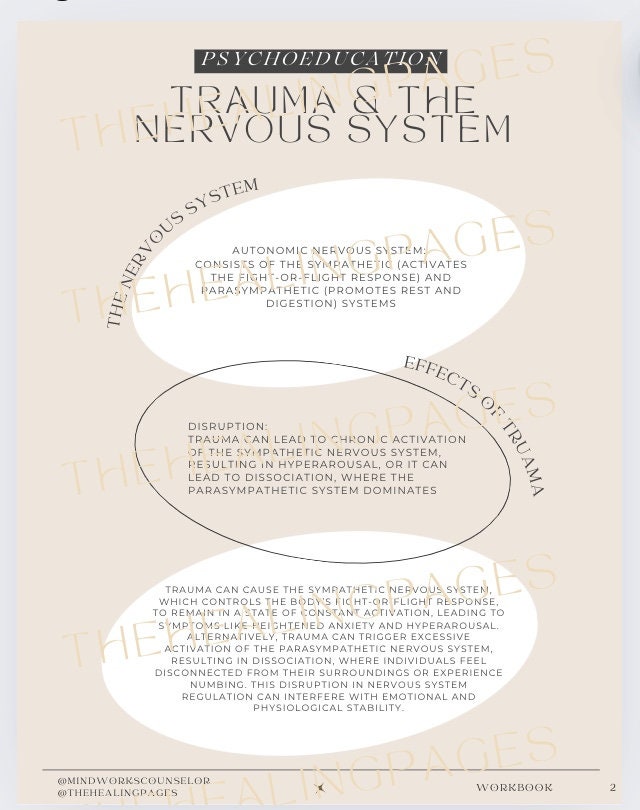
A trauma-informed nervous system refers to the way our body's autonomic nervous system (ANS) responds to stress, danger, or perceived threats. This system is responsible for regulating essential functions like heart rate, breathing, and digestion. However, when trauma is involved, the ANS can become dysregulated, leading to chronic states of anxiety, hypervigilance, or even emotional numbness.
The polyvagal theory, introduced by Stephen Porges in 1994, provides a framework for understanding these responses. According to this theory, the nervous system has three primary states:
- Ventral vagal: The state of safety, connection, and social engagement.
- Sympathetic: The "fight or flight" response, mobilizing the body for action.
- Dorsal vagal: The "freeze" or "shutdown" response, often associated with dissociation or numbness.
These states are activated in a specific order, depending on the perceived threat. When someone experiences trauma, their nervous system may get stuck in one of these states, making it difficult to feel safe or connected.
Why Trauma Affects the Nervous System

Trauma doesn't just affect the mind—it leaves a lasting imprint on the body. When we experience a traumatic event, our nervous system goes into survival mode. This isn't a choice; it's an automatic response designed to protect us. However, if the trauma is unresolved, the nervous system may remain in a heightened state of alertness, even when there's no immediate danger.
This ongoing activation can lead to a range of symptoms, including:
- Chronic anxiety
- Difficulty sleeping
- Emotional reactivity
- Feelings of disconnection
- Physical tension or pain
These symptoms aren't signs of weakness or failure—they're signals from your body that something is out of balance. Understanding this can be the first step toward healing.
How Trauma-Informed Care Works
Trauma-informed care recognizes that trauma affects the entire person, not just the mind. It emphasizes safety, trust, collaboration, and empowerment. In the context of the nervous system, this approach focuses on helping individuals regulate their physiological responses to stress and build a sense of safety within themselves.
One of the most effective tools in this process is co-regulation—the idea that we naturally seek connection with others to feel safe. When we are with someone who is calm and present, our nervous systems can begin to shift from a state of survival to one of regulation and connection.
Therapists and practitioners who use a trauma-informed approach often incorporate techniques such as:
- Breathwork and grounding exercises
- Mindfulness practices
- Somatic therapy (which focuses on the body’s sensations)
- Polyvagal-informed interventions
These methods help individuals reconnect with their bodies, release stored trauma, and restore a sense of control and safety.
Real-Life Impact: Stories of Transformation
Christine, a woman who has been undergoing therapy based on polyvagal principles, shares her experience: “It was an eye-opener to come to understand why my nervous system reacts a certain way at times. I was constantly in a sympathetic state and often felt depleted at the end of the day. My nervous system was stuck on the hierarchy. Knowing where I was on the ladder, I started to meditate and learned deep breathing to calm down. Suddenly, my brain didn’t catastrophize as much anymore.”
Christine's story highlights the power of understanding and working with the nervous system. By learning to recognize and regulate her body's responses, she was able to move from a place of constant stress to one of greater calm and self-awareness.
Practical Steps to Support Your Nervous System
If you're feeling overwhelmed, anxious, or disconnected, there are steps you can take to support your nervous system:
- Practice mindfulness: Pay attention to your breath, body sensations, and emotions without judgment.
- Engage in somatic practices: Activities like yoga, tai chi, or body scans can help you reconnect with your body.
- Create a safe space: Whether it's a physical space or a mental one, having a place where you feel secure can make a big difference.
- Seek professional support: A therapist trained in trauma-informed care can guide you through the healing process.
- Build connections: Surround yourself with people who make you feel seen, heard, and supported.
These steps don't require a complete overhaul of your life. Even small changes can have a significant impact on your overall well-being.
The Future of Trauma-Informed Healing
While the polyvagal theory has provided valuable insights into trauma and the nervous system, it's still a relatively new field. Researchers continue to explore its applications and limitations. Some debates exist around the exact mechanisms of the dorsal vagal state and its role in dissociation. However, the core idea—that trauma lives in the body and healing must address the nervous system—has gained widespread acceptance.
As more people embrace this understanding, we can expect to see a shift in how trauma is treated. From clinical settings to community organizations, the principles of trauma-informed care are becoming increasingly important in creating environments where people can feel safe, supported, and healed.
Conclusion
Healing from trauma is not just about talking through your experiences—it's about restoring balance to your nervous system. A trauma-informed nervous system approach recognizes that true healing begins when the body feels safe. By understanding the science behind our responses, we can begin to untangle the effects of trauma and move toward a more regulated, connected, and resilient self.
If you're ready to take the next step, remember that you don't have to do it alone. With the right support and tools, you can reclaim your sense of safety and begin to live more fully. Your nervous system is your greatest ally in this journey—learn to listen to it, and it will guide you home.

Post a Comment for "Understanding the Trauma-Informed Nervous System: Key Insights for Healing and Awareness"
Post a Comment