Understanding Emotional Regulation and Neurological Support for Mental Well-being
Emotional regulation is a critical component of mental well-being, yet it's often misunderstood or overlooked. In a world where stressors are constant and emotions can feel overwhelming, understanding how to manage your emotional responses is more important than ever. This article will explore what emotional regulation is, how the brain plays a role in managing emotions, and practical strategies to support neurological health for better emotional control.
What Is Emotional Regulation?

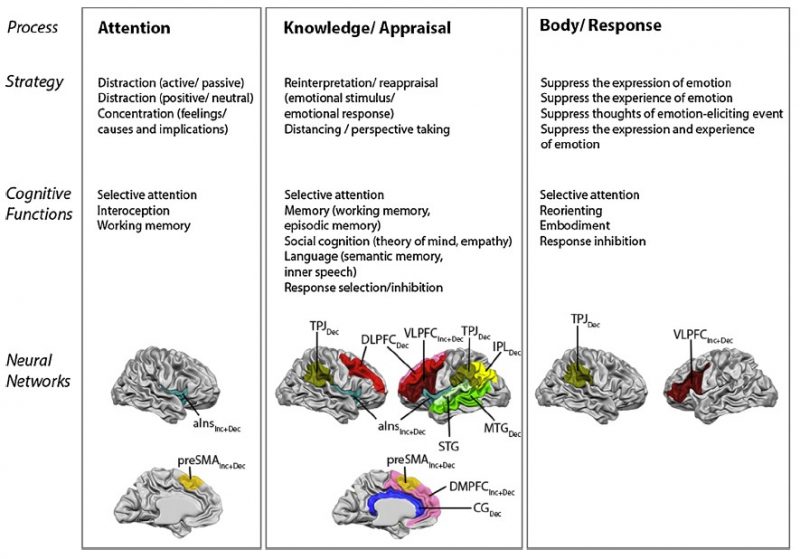
Emotional regulation refers to the ability to recognize, understand, and manage one's emotional responses. It involves the capacity to respond to emotional stimuli in a way that is adaptive and constructive rather than reactive or harmful. When we regulate our emotions effectively, we're better able to handle stress, maintain healthy relationships, and make thoughtful decisions.
However, not everyone has the same level of emotional regulation skills. Some people may find their emotions intense, unpredictable, or difficult to control. This can lead to emotional dysregulation, which is characterized by an inability to manage emotional states in a healthy way. Emotional dysregulation can manifest as extreme reactions, prolonged emotional states, or difficulty returning to a balanced emotional state after a stressful event.
The Role of the Brain in Emotional Regulation
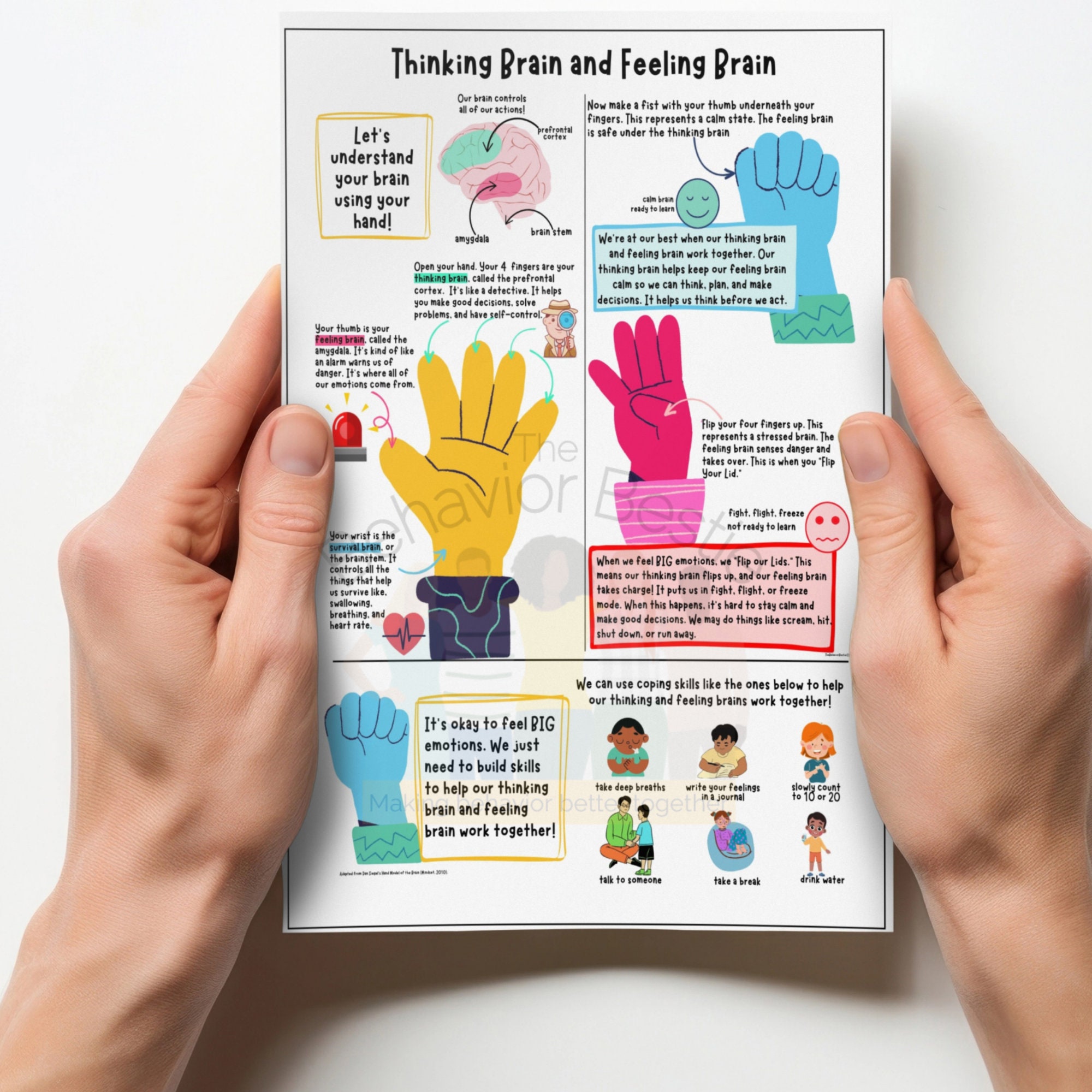
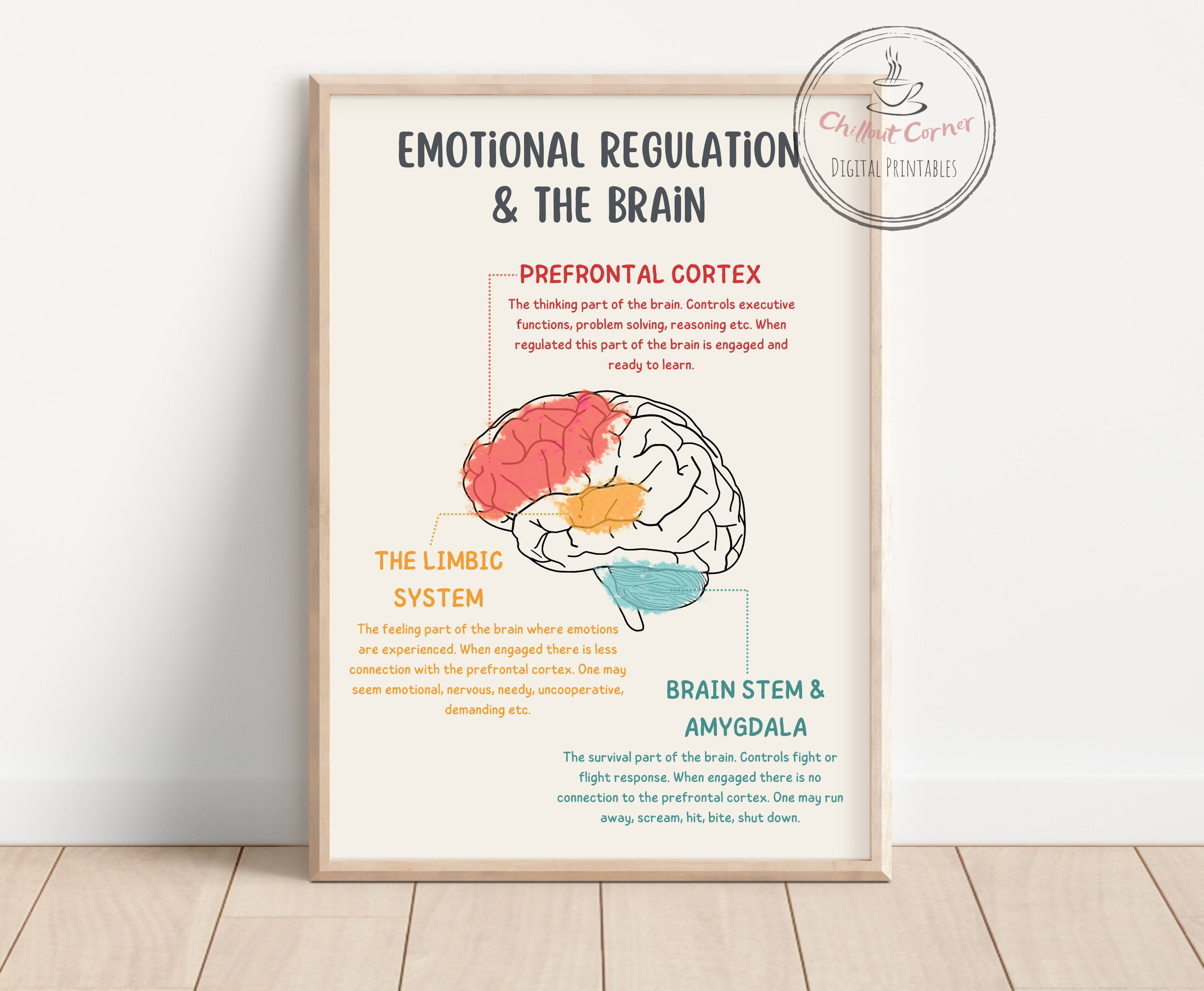
The brain plays a central role in emotional regulation. Key areas involved include the prefrontal cortex, amygdala, and hippocampus. The prefrontal cortex is responsible for decision-making, impulse control, and regulating emotional responses. The amygdala, on the other hand, is the brain's "emotional alarm system," responsible for processing and responding to threats. The hippocampus helps with memory and contextualizing emotional experiences.
In individuals with emotional dysregulation, these brain regions may function differently. For example, research suggests that people with ADHD may have impaired prefrontal cortex regulation, leading to difficulties in controlling impulses and managing emotions. Similarly, those with trauma-related conditions may have a hyperactive amygdala, making them more sensitive to emotional triggers.
Common Challenges in Emotional Regulation
Emotional dysregulation can present in various ways, depending on the individual and their unique circumstances. Some common challenges include:
- Intense and sudden emotional reactions – Feelings that come on quickly and feel overwhelming.
- Difficulty calming down – Struggling to return to a calm state after an emotional episode.
- Impulsive behaviors – Reacting without thinking, such as lashing out or withdrawing.
- Prolonged emotional states – Emotions that last longer than expected, making it hard to move on from a situation.
- Challenges in social interactions – Difficulty managing emotions in relationships, leading to conflicts or misunderstandings.
These challenges can significantly impact daily life, affecting work, school, and personal relationships. However, with the right support and strategies, it's possible to improve emotional regulation and enhance overall well-being.
Strategies for Supporting Emotional Regulation

There are several evidence-based strategies that can help improve emotional regulation and support neurological health. These include:
-
Mindfulness and Meditation
Mindfulness practices, such as meditation, can help increase awareness of emotions and reduce reactivity. By focusing on the present moment, individuals can learn to observe their emotions without judgment, which can lead to greater emotional control. -
Cognitive Behavioral Therapy (CBT)
CBT is a widely used therapeutic approach that helps individuals identify and change negative thought patterns. It can be particularly effective for those struggling with emotional dysregulation, as it provides tools for managing thoughts and emotions in a healthier way. -
Physical Activity
Exercise has been shown to improve mood and reduce stress. Activities like yoga, walking, or aerobic exercise can help regulate emotions by releasing endorphins and promoting a sense of well-being. -
Journaling and Self-Reflection
Writing about emotions can help process and understand them more deeply. Journaling allows individuals to track emotional patterns and gain insight into what triggers certain feelings. -
Healthy Sleep and Nutrition
Proper sleep and nutrition play a crucial role in emotional regulation. Lack of sleep and poor diet can exacerbate emotional instability, while a balanced lifestyle supports overall mental health. -
Social Support
Connecting with friends, family, or support groups can provide a valuable outlet for emotional expression and help build resilience. Having a strong support network can make it easier to navigate challenging emotions.
The Importance of Neurological Support

Neurological support is essential for maintaining emotional regulation. The brain's ability to manage emotions is closely tied to its structure and function. When the brain is under stress or damaged, it can struggle to regulate emotions effectively. This is why neurological support—through therapy, medication, and lifestyle changes—is so important.
For individuals with conditions like ADHD, autism, or trauma-related disorders, targeted neurological support can make a significant difference. Treatments such as dialectical behavior therapy (DBT), eye movement desensitization and reprocessing (EMDR), and medication can help address the underlying issues that contribute to emotional dysregulation.
Conclusion
Emotional regulation is a vital skill that affects every aspect of life. Understanding how the brain processes emotions and learning effective strategies to manage them can lead to improved mental well-being. Whether through mindfulness, therapy, physical activity, or social support, there are many ways to support emotional regulation and neurological health.
By recognizing the importance of emotional regulation and seeking the right resources, individuals can take control of their emotional responses and lead more balanced, fulfilling lives. Remember, emotional intensity is not a weakness—it's a sign of deep empathy and passion. With the right tools and support, emotional waves don't have to control your life.

Post a Comment for "Understanding Emotional Regulation and Neurological Support for Mental Well-being"
Post a Comment