Understanding Embodied Somatic Practices: Benefits, Techniques, and How to Start
Embodied somatic practices have been gaining traction in the wellness world as a powerful way to connect with your body and mind. If you're looking for a deeper understanding of how your body feels and responds, these practices can be transformative. Unlike traditional yoga or fitness routines that focus on external form, embodied somatic practices emphasize internal awareness and movement. This article will explore what these practices are, their benefits, and how to get started.

What Are Embodied Somatic Practices?

Embodied somatic practices are a category of movement-based therapies that focus on the connection between the body and mind. These practices are rooted in the idea that our physical bodies hold memories, emotions, and traumas, which can affect our overall well-being. By tuning into these sensations, practitioners can release tension, process emotions, and restore balance within themselves.
These practices often involve slow, intentional movements that encourage self-awareness and mindfulness. They may include techniques such as breathwork, meditation, and gentle stretching. The goal is not to achieve a specific shape or pose but to listen to the body's signals and move in a way that feels right for each individual.
The Benefits of Embodied Somatic Practices

The benefits of embodied somatic practices are numerous and can impact various aspects of your life. One of the primary advantages is the enhancement of the mind-body connection. This connection allows individuals to become more aware of their physical sensations and emotional states, leading to greater self-understanding and emotional regulation.
Additionally, these practices can help reduce stress and anxiety by promoting relaxation and a sense of calm. By focusing on breath and movement, practitioners can activate the parasympathetic nervous system, which is responsible for the body's rest and digest response. This can lead to improved sleep, reduced muscle tension, and an overall feeling of well-being.
Another significant benefit is the potential for healing trauma and emotional wounds. Through mindful movement and breathing, individuals can access stored emotions and begin to process them in a safe and supportive environment. This can lead to a greater sense of empowerment and resilience.
Techniques Used in Embodied Somatic Practices
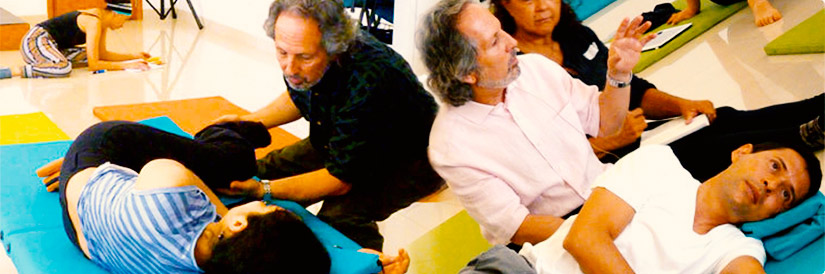
There are several techniques used in embodied somatic practices, each designed to enhance body awareness and promote healing. Some common techniques include:
- Breathwork: Focusing on the breath can help regulate the nervous system and increase awareness of the body's responses.
- Mindful Movement: Gentle movements that encourage attention to how the body feels during each motion.
- Visualization: Using mental imagery to guide the body toward relaxation and healing.
- Touch and Massage: Incorporating touch can help release tension and promote a sense of safety and comfort.
- Feldenkrais Method: A technique that focuses on improving movement and posture through gentle, exploratory movements.
Each of these techniques can be tailored to meet the individual needs of the practitioner, making embodied somatic practices highly adaptable and accessible.
How to Start Practicing Embodied Somatic Practices

Starting with embodied somatic practices can be a rewarding journey. Here are some steps to help you get started:
- Educate Yourself: Learn about the different types of somatic practices and how they work. Reading books, watching videos, or attending workshops can provide valuable insights.
- Find a Qualified Instructor: Seek out a certified instructor who specializes in somatic practices. They can guide you through the techniques and ensure you are practicing safely.
- Create a Safe Space: Set up a comfortable and quiet area where you can practice without distractions. This space should feel welcoming and supportive.
- Start Slowly: Begin with short sessions, gradually increasing the duration as you become more comfortable with the practices.
- Listen to Your Body: Pay attention to how your body feels during each session. If something doesn't feel right, adjust your approach accordingly.
By following these steps, you can create a foundation for a meaningful and transformative practice.
Incorporating Embodied Somatic Practices into Daily Life

Integrating embodied somatic practices into your daily routine can enhance your overall well-being. Here are some practical tips to help you incorporate these practices into your life:
- Morning Routine: Begin your day with a few minutes of mindful breathing or gentle stretching to set a positive tone.
- Midday Breaks: Use short breaks throughout the day to check in with your body and practice deep breathing or a quick movement sequence.
- Evening Wind-Down: End your day with a calming practice, such as meditation or a gentle stretch, to promote relaxation and better sleep.
- Mindful Eating: Practice mindfulness while eating, paying attention to the flavors, textures, and sensations of each bite.
- Emotional Check-Ins: Take time to reflect on your emotional state and how it connects to your physical sensations.
By making these practices a part of your daily life, you can cultivate a deeper connection with yourself and improve your overall quality of life.
Conclusion
Embodied somatic practices offer a unique and powerful way to connect with your body and mind. By focusing on internal awareness and mindful movement, these practices can lead to greater self-understanding, emotional healing, and overall well-being. Whether you're looking to reduce stress, heal trauma, or simply enhance your daily life, incorporating embodied somatic practices can be a transformative journey. Start small, stay consistent, and allow yourself to explore the rich possibilities that these practices offer. With time and dedication, you can unlock a deeper sense of connection and vitality within yourself.

Post a Comment for "Understanding Embodied Somatic Practices: Benefits, Techniques, and How to Start"
Post a Comment