Top Brain Exercises for Effective Stress Reduction
In today’s fast-paced world, stress has become an unwelcome companion for many. Whether it's work pressure, personal challenges, or the chaos of everyday life, our minds often feel cluttered and overwhelmed. The good news is that there are proven brain exercises designed to help reduce stress and restore emotional balance. These techniques can be simple yet powerful, offering a way to calm the mind, relax the body, and improve overall well-being.
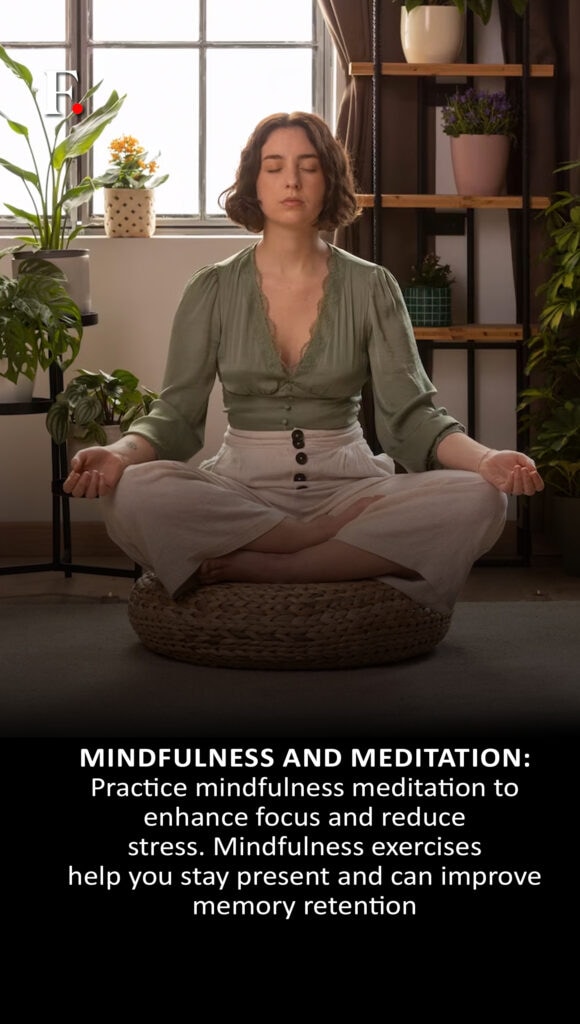
Understanding the Link Between Stress and the Brain
Stress affects the brain in several ways. When we're under stress, the brain releases cortisol, the primary stress hormone, which can impair cognitive function, memory, and emotional regulation. Chronic stress can even lead to long-term changes in brain structure and function. However, research shows that specific brain exercises can counteract these effects by promoting relaxation, improving focus, and enhancing emotional resilience.
These exercises work by activating the brain’s natural calming mechanisms, such as the parasympathetic nervous system, which helps the body return to a state of balance after a stressful event. By incorporating these practices into daily routines, individuals can build mental strength and better manage the pressures of modern life.
1. Mindful Breathing: A Simple yet Powerful Tool

Mindful breathing is one of the most accessible and effective brain exercises for stress reduction. This technique involves focusing your attention on your breath, allowing you to anchor yourself in the present moment. Here's how to practice it:
- Sit quietly and bring your attention to your breath.
- Inhale slowly through your nose and exhale gently through your mouth.
- Count your breaths if needed, such as “inhale 1, exhale 1… inhale 2, exhale 2…”
Why it works: Breathing is the anchor of the present moment. Mindful breathing reduces tension and activates the parasympathetic nervous system—your body’s natural “calm” mode.
This practice can be done anywhere, at any time, and only requires a few minutes each day. Over time, it helps regulate the stress response and promotes a sense of inner peace.
2. Grounding Techniques: Bringing Awareness to the Present

Grounding techniques are another valuable tool for reducing stress. One popular method is the 5-4-3-2-1 exercise, which uses your senses to draw your attention away from racing thoughts and into the present moment:
- Name 5 things you can see
- Name 4 things you can touch
- Name 3 things you can hear
- Name 2 things you can smell
- Name 1 thing you can taste
Why it works: This sensory exercise instantly draws your attention away from internal stressors and into the safety of the here and now. It’s especially useful during moments of anxiety or overwhelm.
By regularly practicing grounding techniques, you can develop a stronger connection to the present and reduce the impact of stress on your mental health.
3. Body Scan Meditation: Releasing Physical Tension

A body scan meditation is a powerful way to release physical tension and promote relaxation. This practice involves mentally scanning your body from head to toe, bringing awareness to each part and releasing any stored stress.
How to do it: - Lie down or sit comfortably. - Gently bring awareness to each part of your body, starting from your toes and moving upward. - Notice sensations, temperature, or tension without trying to change them.
Why it works: This practice improves the mind-body connection and helps release physical stress stored in muscles. It also enhances self-awareness and promotes deep relaxation.
Regular body scan meditations can help you identify areas of tension and learn to let go of stress more effectively.
4. Mindful Walking: Combining Movement with Awareness
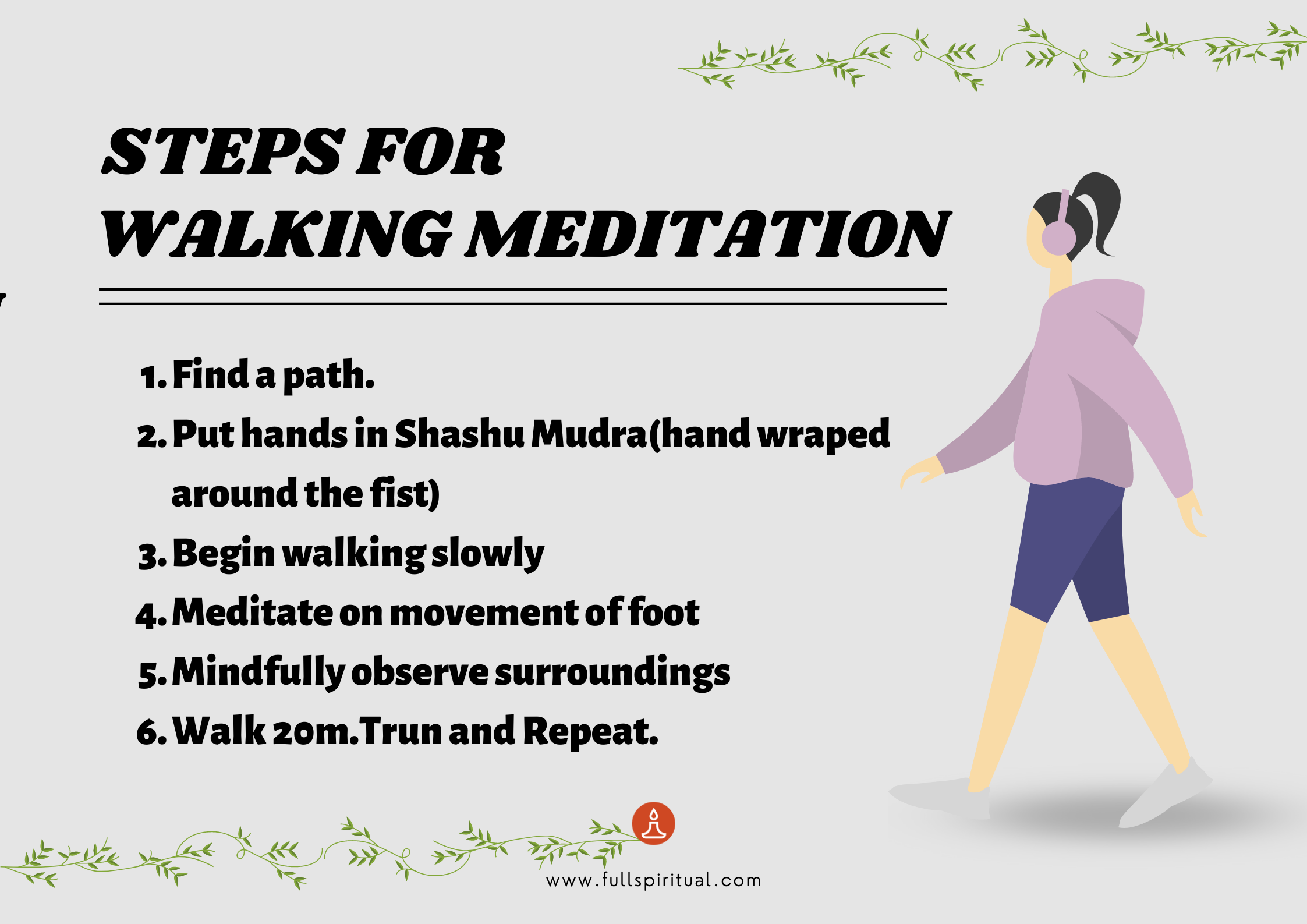
Mindful walking is a form of meditation that combines movement with mindfulness. Instead of rushing through your day, this practice encourages you to walk with intention and presence.
How to do it: - Take a slow, silent walk in nature or around your neighborhood. - Focus on the sensation of your feet touching the ground. - Notice the sounds, sights, and scents around you.
Why it works: Spending time outdoors in mindful silence can dramatically reduce cortisol and elevate your mood. It’s a great way to break up the monotony of daily routines and reconnect with the environment.
5. Visualization: Creating a Calm Mental Space

Visualization is another effective brain exercise for stress reduction. This technique involves creating a mental image of a peaceful place, such as a beach or forest, and immersing yourself in that scene.
How to do it: - Close your eyes and imagine a serene setting. - Focus on the details—sights, sounds, smells, and sensations. - Allow yourself to feel the calm and relaxation that comes with this mental escape.
Why it works: Visualization helps calm the mind and reduce anxiety by shifting your focus away from stressors. It’s a powerful tool for mental rejuvenation and emotional balance.
Conclusion: Embracing a Healthier Mind
Stress may be a part of life, but staying stressed doesn’t have to be. By incorporating brain exercises like mindful breathing, grounding techniques, body scans, mindful walking, and visualization into your daily routine, you can significantly reduce stress and improve your overall well-being.
These practices not only help manage immediate stress but also build long-term resilience against future challenges. With consistent effort, you can cultivate a calmer, more focused, and emotionally balanced mind. Start small, stay consistent, and watch as your mental and emotional health transform over time.

Post a Comment for "Top Brain Exercises for Effective Stress Reduction"
Post a Comment