Top 10 Women's Sleep Optimization Strategies for Better Rest and Health
Getting enough sleep is essential for overall health, but for women, it's especially crucial. Hormonal fluctuations, life responsibilities, and unique physiological factors can make achieving quality rest more challenging. However, by implementing targeted strategies, women can significantly improve their sleep quality and, in turn, their physical and mental well-being. This article explores the most effective sleep optimization techniques specifically tailored for women, backed by scientific research and practical insights.
Why Sleep Matters for Women
Sleep isn't just about feeling rested—it's a critical component of physical and mental health. During sleep, the body repairs tissues, regulates hormones, strengthens the immune system, and consolidates memories. For women, these processes are particularly important due to the impact of hormonal changes throughout the menstrual cycle, pregnancy, and menopause. Studies show that women are more prone to sleep disturbances than men, often due to factors like stress, caregiving responsibilities, and hormonal shifts. Prioritizing sleep optimization can help women maintain balance, manage stress, and support long-term wellness.
1. Establish a Consistent Sleep Schedule

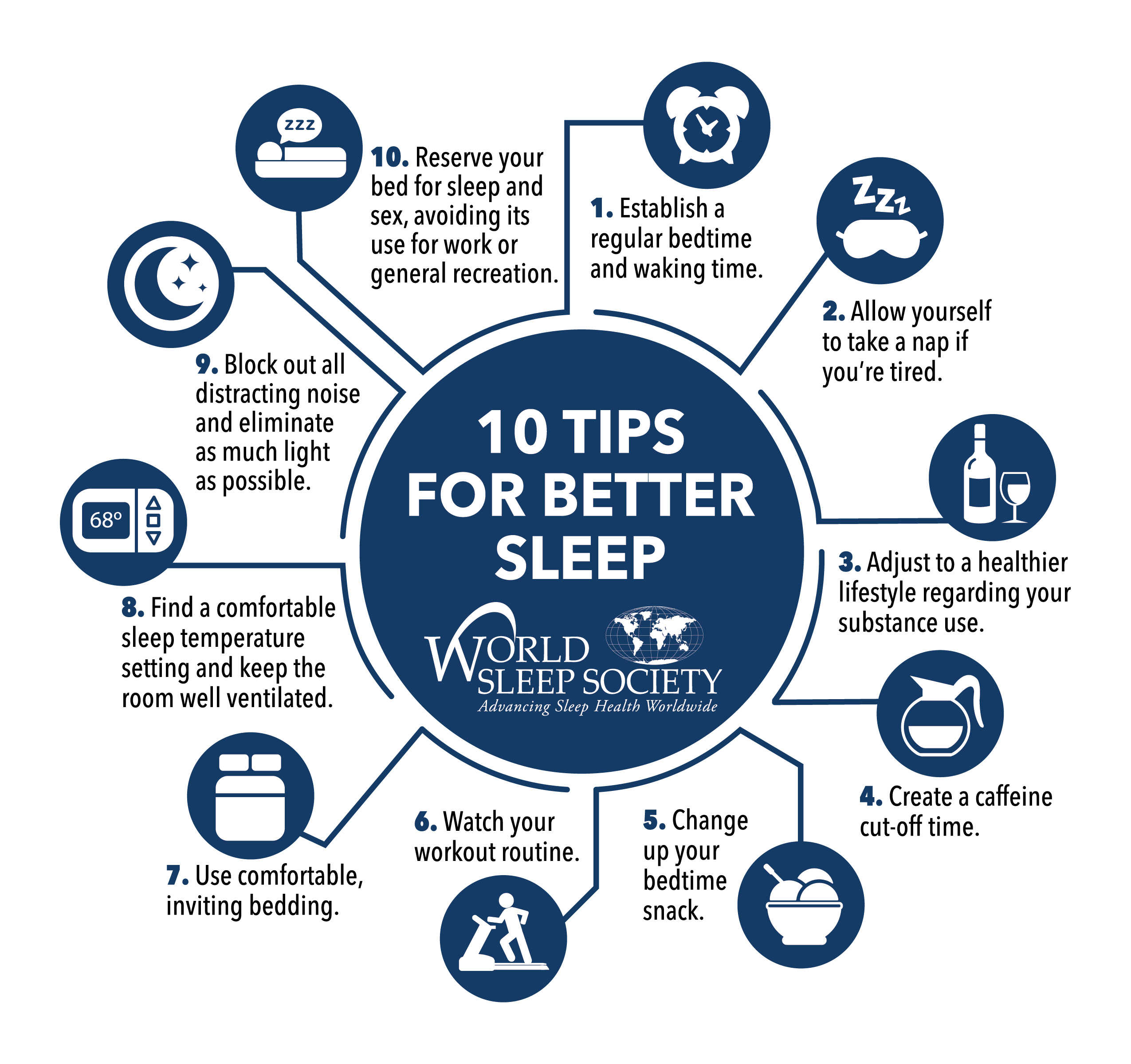
Your body thrives on routine. Going to bed and waking up at the same time every day helps regulate your circadian rhythm, making it easier to fall asleep and stay asleep. Aim for 7 to 9 hours of sleep each night. If your schedule varies, keep your wake-up time consistent, as this is the most powerful anchor for your internal clock. Start by shifting your bedtime 15 minutes earlier each week until you reach your desired sleep duration. Consistency is key to building healthy sleep habits.
2. Create a Sleep-Optimized Bedroom Environment

Your bedroom should be a sanctuary designed for rest. Keep the temperature between 60 to 67 degrees Fahrenheit, as cooler environments promote better sleep. Use blackout curtains or an eye mask to block out light, which suppresses melatonin production. Consider using white noise machines or earplugs to minimize disruptive sounds. Invest in comfortable, supportive bedding and remove work materials, phones, and screens from your sleeping space to create a clear mental boundary between work and rest.
3. Implement a Digital Sunset One Hour Before Bed

Blue light from electronic devices suppresses melatonin, the hormone that signals your body it's time to sleep. Avoid screens at least one hour before bedtime. Instead, engage in calming activities such as reading, journaling, gentle stretching, or taking a warm bath. These activities signal to your nervous system that it's time to wind down and transition into a restful state. Creating a digital sunset routine can dramatically improve sleep quality and help you fall asleep faster.
4. Optimize Your Evening Nutrition and Hydration
What you eat and drink can have a significant impact on sleep quality. Avoid caffeine after 2 PM, as it can linger in your system for 8 to 10 hours. Limit alcohol, which disrupts sleep architecture and reduces deep, restorative sleep. Avoid large meals 2 to 3 hours before bed, but don't go to bed hungry. If you need a snack, choose sleep-promoting foods like almonds, Greek yogurt, or a banana with almond butter. These contain magnesium and tryptophan, amino acids that support relaxation and sleep. Limit fluids in the evening to reduce nighttime bathroom trips.
5. Practice Relaxation Techniques Before Sleep

Your nervous system needs time to shift from the stress of the day into a relaxed state. Try the 4-7-8 breathing technique: inhale for 4 counts, hold for 7 counts, exhale for 8 counts. This activates your parasympathetic nervous system and calms racing thoughts. Progressive muscle relaxation, where you tense and release each muscle group, is also highly effective. Meditation apps like Calm or Insight Timer offer guided sleep meditations specifically designed to ease you into rest. Even 10 minutes of these practices can dramatically improve sleep quality.
6. Manage Light Exposure Throughout the Day

Bright light exposure in the morning helps regulate your circadian rhythm and improves nighttime sleep. Get 15 to 30 minutes of natural sunlight within the first hour of waking. This signals to your body that it's daytime and helps set your internal clock. Conversely, dim the lights in your home as evening approaches. Use warm-toned lighting instead of bright white lights, which can suppress melatonin. This simple adjustment supports your body's natural sleep-wake cycle and promotes better rest.
7. Consider Magnesium and Other Sleep-Supporting Supplements

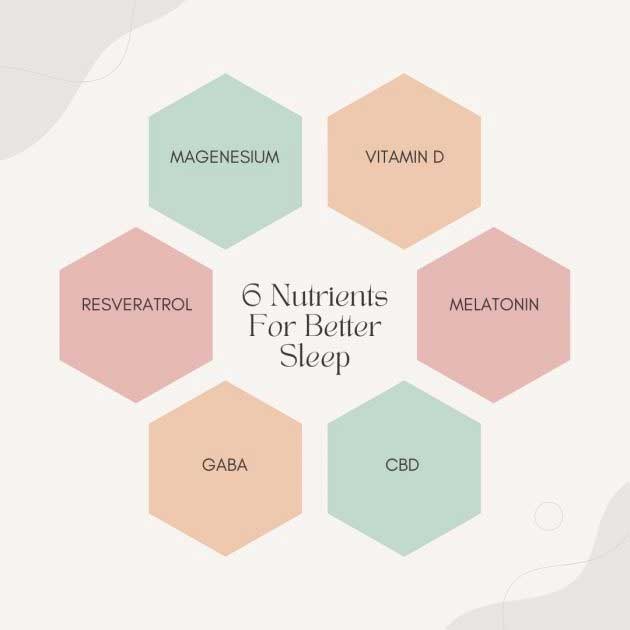
Magnesium is a mineral that supports relaxation and sleep quality. Many women are deficient in magnesium, especially during high-stress periods. Consider taking a magnesium glycinate supplement 30 to 60 minutes before bed. Other evidence-supported supplements include melatonin (for those with circadian rhythm issues) and L-theanine (an amino acid that promotes relaxation without drowsiness). Always consult with a healthcare provider before starting new supplements, especially if you're taking medications.
8. Track Your Sleep and Adjust as Needed

Use a sleep tracking app or wearable device to monitor your sleep patterns. Track metrics like total sleep time, sleep stages, and how rested you feel upon waking. This data helps you identify what works best for your body. You might notice that certain foods, activities, or timing adjustments significantly improve your sleep. Sleep optimization is personal, so use this information to refine your approach over time.
9. Address Hormonal Shifts and Menstrual Cycles
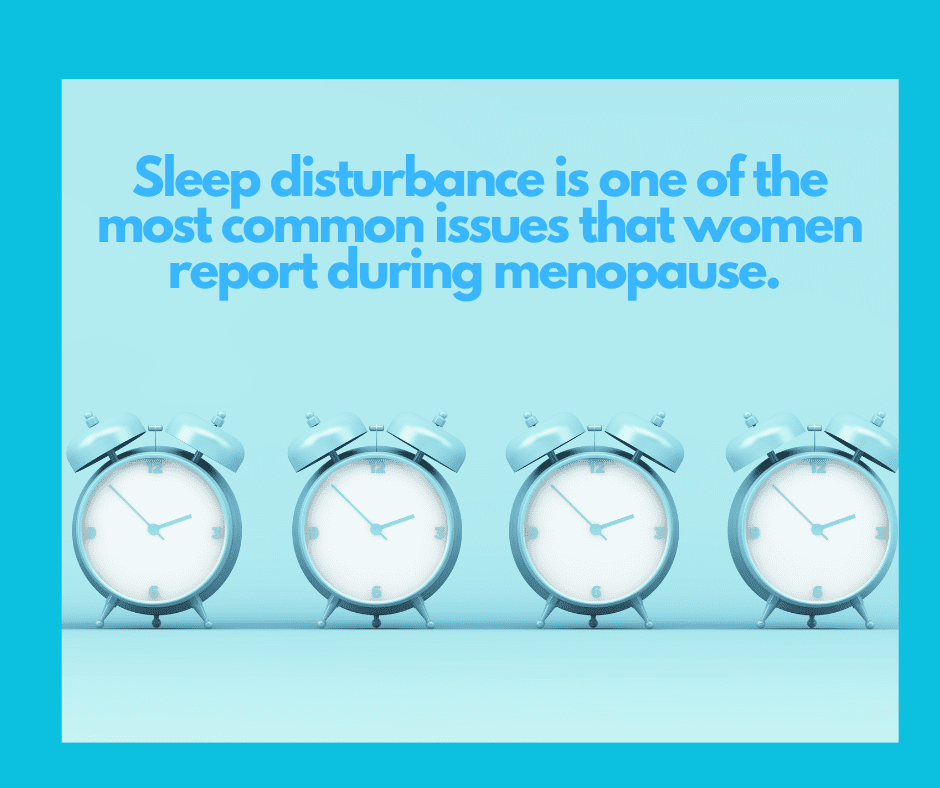
Hormonal fluctuations can significantly impact sleep. During menstruation, pregnancy, and menopause, women may experience disrupted sleep due to changes in body temperature, mood, and energy levels. Keeping the bedroom cool can help with hot flashes and night sweats during menopause. Wearing lightweight pajamas and using an eye mask can also contribute to better sleep. Practicing healthy sleep habits during these times can help women manage symptoms and achieve more restful sleep.
10. Seek Professional Help if Needed

If you're practicing healthy sleep habits but still struggle with sleep, consider talking to a medical professional. Women face a greater risk of disorders linked to sleep troubles, including depression, anxiety, fibromyalgia, and restless legs syndrome. Treating these conditions can improve sleep quality. If you suspect you have obstructive sleep apnea, ask your doctor about screening, especially if you're in menopause and experiencing persistent sleep issues.
The Recovery Benefits You'll Experience

As you implement these sleep optimization strategies, expect to notice improvements across multiple areas of your life. Your energy levels will increase, making it easier to tackle daily tasks and exercise. Your mood will stabilize as your brain chemistry rebalances. Your skin will look clearer and more radiant because your body repairs skin cells during deep sleep. Your immune system will strengthen, helping you fight off illness. Your metabolism will improve, supporting healthy weight management. Most importantly, you'll experience greater mental clarity, emotional resilience, and overall sense of well-being.
Start Your Sleep Optimization Journey Today
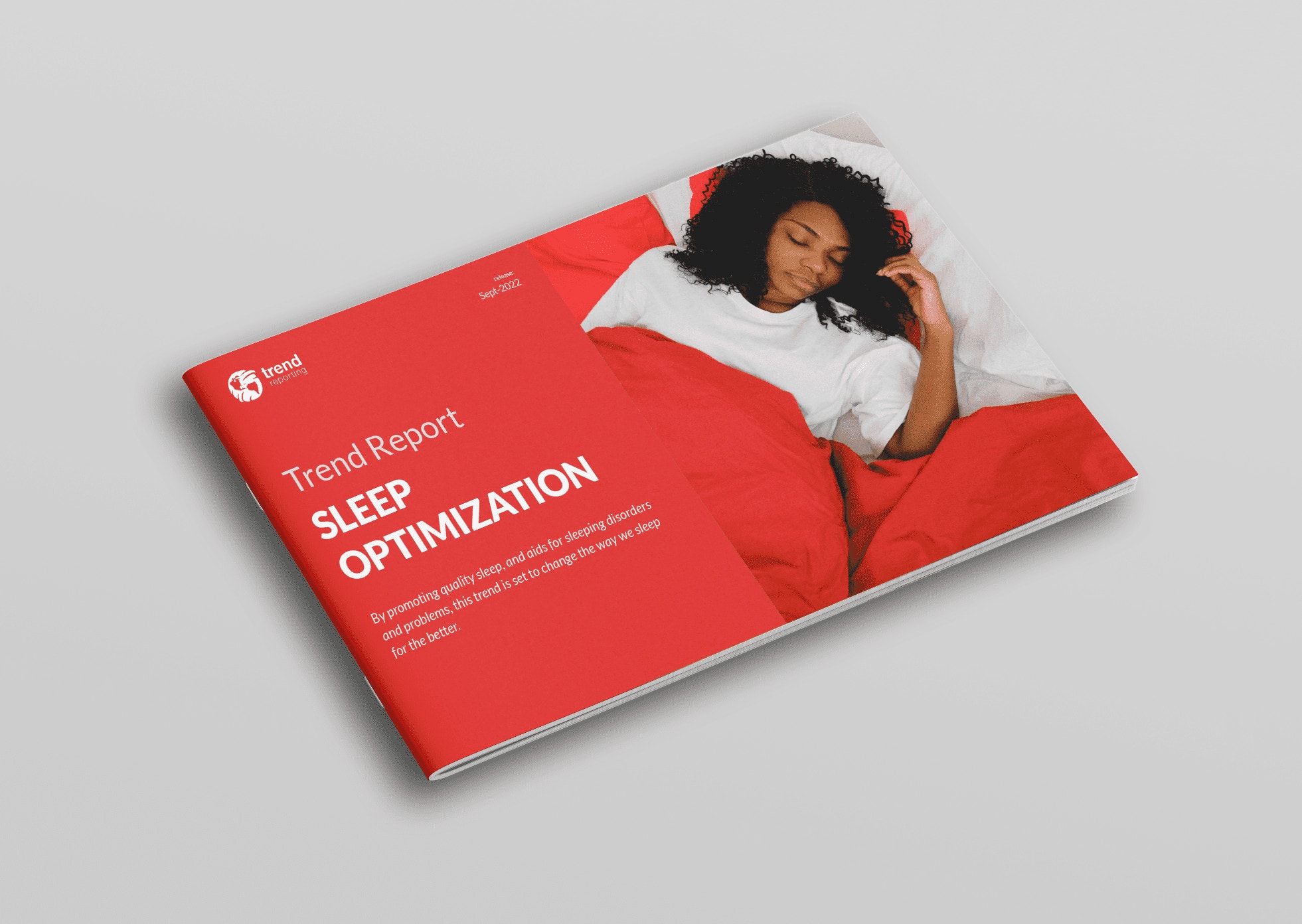
Sleep optimization is a journey, not a destination. Don't try to implement all these strategies at once. Choose one or two that resonate most with you and start there. Once those feel natural, add another strategy. This gradual approach builds sustainable habits that last. Remember, investing in better sleep is investing in your health, happiness, and ability to show up fully in your life.

Post a Comment for "Top 10 Women's Sleep Optimization Strategies for Better Rest and Health"
Post a Comment