Top 10 Stable Blood Sugar Diet Tips for Long-Term Health
Maintaining stable blood sugar levels is essential for overall health, energy, and disease prevention. Whether you're managing diabetes or simply looking to improve your well-being, adopting a diet that supports steady glucose levels can make a world of difference. This article explores practical, science-backed strategies to help you achieve and maintain balanced blood sugar through smart food choices and lifestyle habits.

Why Blood Sugar Stability Matters

Blood sugar, or glucose, is the primary source of energy for your body. However, when levels fluctuate too much—whether they spike too high or drop too low—it can lead to fatigue, irritability, and even serious health complications over time. Chronic instability in blood sugar is linked to conditions like type 2 diabetes, heart disease, and metabolic syndrome.
The good news is that with the right approach, you can stabilize your blood sugar naturally. By focusing on whole foods, mindful eating, and consistent habits, you can support your body’s ability to regulate glucose effectively.
1. Prioritize High-Fiber Foods

Fiber plays a crucial role in blood sugar management by slowing down digestion and preventing rapid spikes in glucose. Foods rich in fiber include vegetables, whole grains, legumes, and certain fruits.
- Examples: Lentils, quinoa, oats, broccoli, and berries.
- Why it works: Fiber helps the body absorb sugar more gradually, reducing the likelihood of crashes or insulin resistance.
Including at least one high-fiber food in every meal can significantly improve your blood sugar control. For instance, adding a side of steamed broccoli to your dinner or choosing whole grain bread instead of white bread are simple yet effective changes.
2. Incorporate Healthy Fats

Healthy fats not only support heart health but also help slow the absorption of carbohydrates, which can prevent sharp increases in blood sugar. They also keep you feeling full longer, reducing the urge to snack on sugary or processed foods.
- Examples: Avocados, nuts, seeds, olive oil, and fatty fish like salmon.
- Why it works: Fats add a layer of protection against blood sugar spikes, making them an excellent addition to meals.
A small handful of almonds with a piece of fruit or a drizzle of olive oil on roasted vegetables can be a satisfying and nutritious way to balance your plate.
3. Choose Lean Proteins

Protein has a minimal impact on blood sugar compared to carbohydrates, making it an ideal component of a balanced diet. It also helps preserve muscle mass, which is important for maintaining metabolic health.
- Examples: Chicken, turkey, tofu, eggs, and legumes.
- Why it works: Protein slows digestion and promotes satiety, helping to prevent overeating and blood sugar fluctuations.
Pairing protein with complex carbs, such as grilled chicken with brown rice or lentil soup, can create a well-rounded meal that keeps your energy levels steady throughout the day.
4. Limit Refined Carbs and Sugars

Refined carbohydrates, such as white bread, pasta, and sugary snacks, are quickly broken down into glucose, causing rapid spikes in blood sugar. Over time, this can lead to insulin resistance and other health issues.
- Examples to avoid: White rice, cakes, pastries, and sugary drinks.
- Why it matters: These foods provide little nutritional value and can cause energy crashes shortly after consumption.
Instead, opt for whole grain alternatives and natural sweeteners like fruit or unsweetened yogurt. For example, swap white pasta for whole wheat or lentil-based pasta to enjoy a more sustained energy release.
5. Stay Hydrated with Water
Dehydration can affect how your body processes glucose, potentially leading to higher blood sugar levels. Staying properly hydrated supports kidney function and helps flush out excess sugar from the bloodstream.
- Tips: Drink water throughout the day, especially before meals.
- Why it works: Water aids in digestion and helps maintain a balanced internal environment, which is essential for stable blood sugar.
Avoid sugary beverages like soda and juice, which can cause immediate spikes in glucose. Instead, try infused water with lemon, cucumber, or herbs for a refreshing alternative.
6. Practice Portion Control

Even healthy foods can contribute to blood sugar imbalances if consumed in large quantities. Pay attention to portion sizes to avoid overeating, especially when it comes to carbohydrates.
- Strategies: Use smaller plates, measure servings, and be mindful of hunger cues.
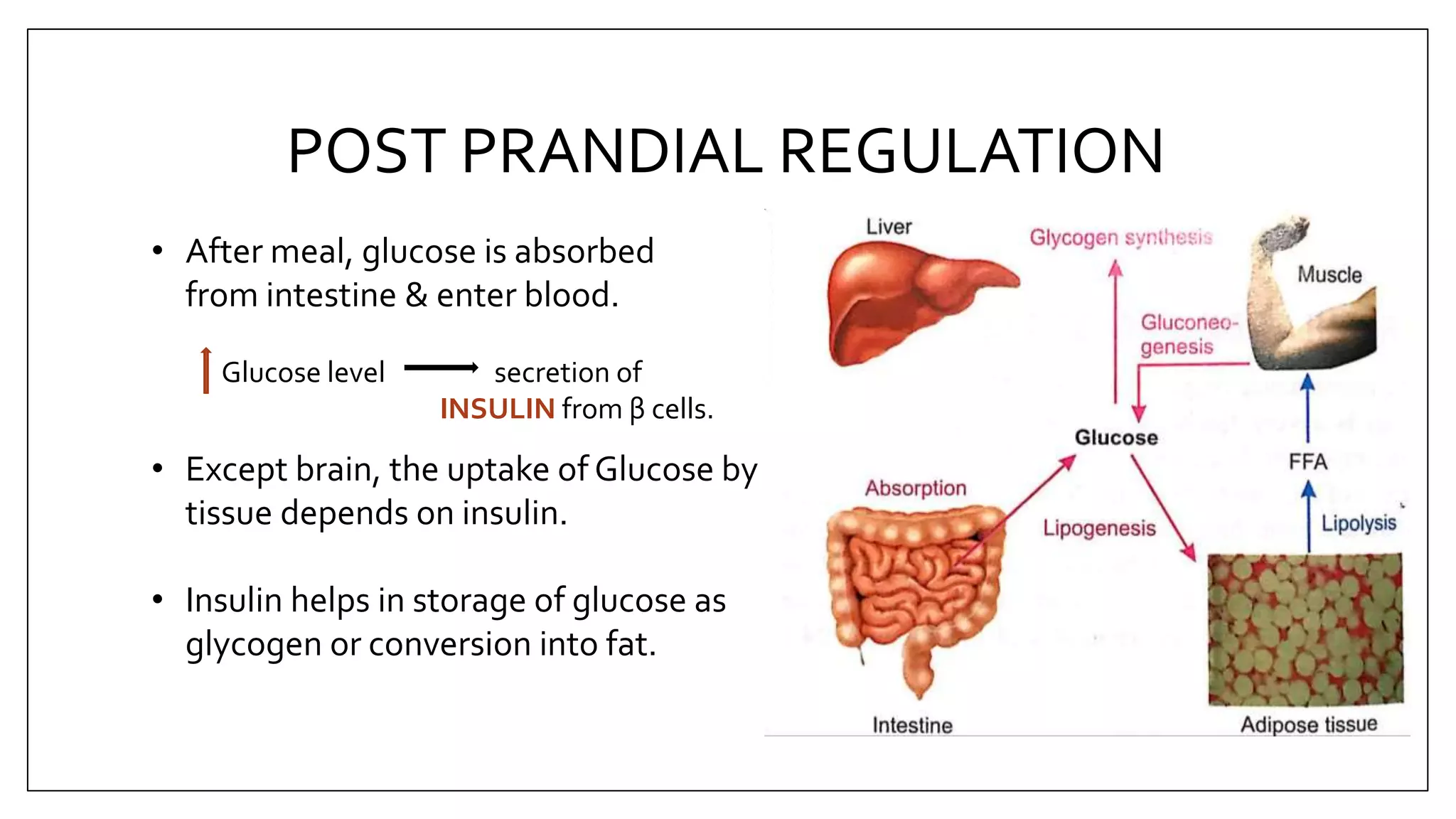
- Why it matters: Controlling portions helps prevent overloading your body with glucose, which can overwhelm your insulin response.
For example, a serving of oatmeal is about half a cup cooked, while a serving of brown rice is around one-third to one-half a cup. Being aware of these amounts can make a big difference in how your body handles sugar.
7. Eat Regular, Balanced Meals

Skipping meals or going long periods without eating can cause your blood sugar to dip, leading to cravings and overeating later. Eating regular, balanced meals helps maintain steady energy levels throughout the day.
- Best practice: Aim for three main meals and one or two healthy snacks per day.
- Why it works: Consistent eating patterns prevent extreme hunger and reduce the risk of blood sugar swings.
Include a mix of protein, fiber, and healthy fats in each meal to ensure lasting satisfaction. For instance, a breakfast of eggs with avocado and whole grain toast provides a balanced start to the day.
8. Monitor Your Response to Foods

Everyone's body reacts differently to certain foods. Keeping track of how specific items affect your energy, mood, and blood sugar can help you identify what works best for you.
- Tools: Use a food journal or a blood glucose monitor to track your responses.
- Why it matters: Personalized insights allow you to fine-tune your diet based on real-time feedback.
For example, if you notice that certain fruits cause a spike in your blood sugar, you can adjust your intake or pair them with protein to mitigate the effect.
9. Manage Stress and Sleep

Stress and poor sleep can both disrupt blood sugar regulation. Cortisol, the stress hormone, can increase glucose levels, while lack of sleep affects insulin sensitivity.
- Tips: Practice relaxation techniques like meditation, deep breathing, or yoga.
- Why it matters: Managing stress and prioritizing rest support overall metabolic health.
Aim for 7–9 hours of quality sleep each night and incorporate daily mindfulness practices to reduce the impact of stress on your body.
10. Stay Active

Regular physical activity improves insulin sensitivity and helps your body use glucose more efficiently. Even moderate exercise, such as walking or cycling, can have a positive impact on blood sugar levels.
- Recommended activities: Brisk walking, swimming, or strength training.
- Why it works: Exercise encourages your muscles to absorb glucose from the bloodstream, reducing the need for excess insulin.
Aim for at least 30 minutes of movement most days of the week. You don’t need to be a gym enthusiast—simple activities like taking the stairs or doing household chores can also contribute to better blood sugar control.
Conclusion

Achieving stable blood sugar doesn't require drastic changes or strict diets. By making thoughtful, sustainable choices—such as incorporating fiber-rich foods, staying hydrated, and balancing your meals—you can support your body's natural ability to regulate glucose. Remember, consistency is key. Small, everyday actions add up to significant long-term benefits for your health and well-being.

Post a Comment for "Top 10 Stable Blood Sugar Diet Tips for Long-Term Health"
Post a Comment