Thymosin Beta 4 and Its Role in Muscle Recovery: What You Need to Know
If you're an athlete, a fitness enthusiast, or someone recovering from an injury, you've likely heard about the importance of muscle recovery. But have you ever considered the role of a powerful peptide called Thymosin Beta 4 (Tβ4)? This naturally occurring protein is gaining attention for its remarkable ability to accelerate healing, reduce inflammation, and support tissue repair. In this article, we’ll explore how Tβ4 works, why it’s becoming a go-to solution for muscle recovery, and what you need to know before considering it as part of your wellness routine.

What Is Thymosin Beta 4?
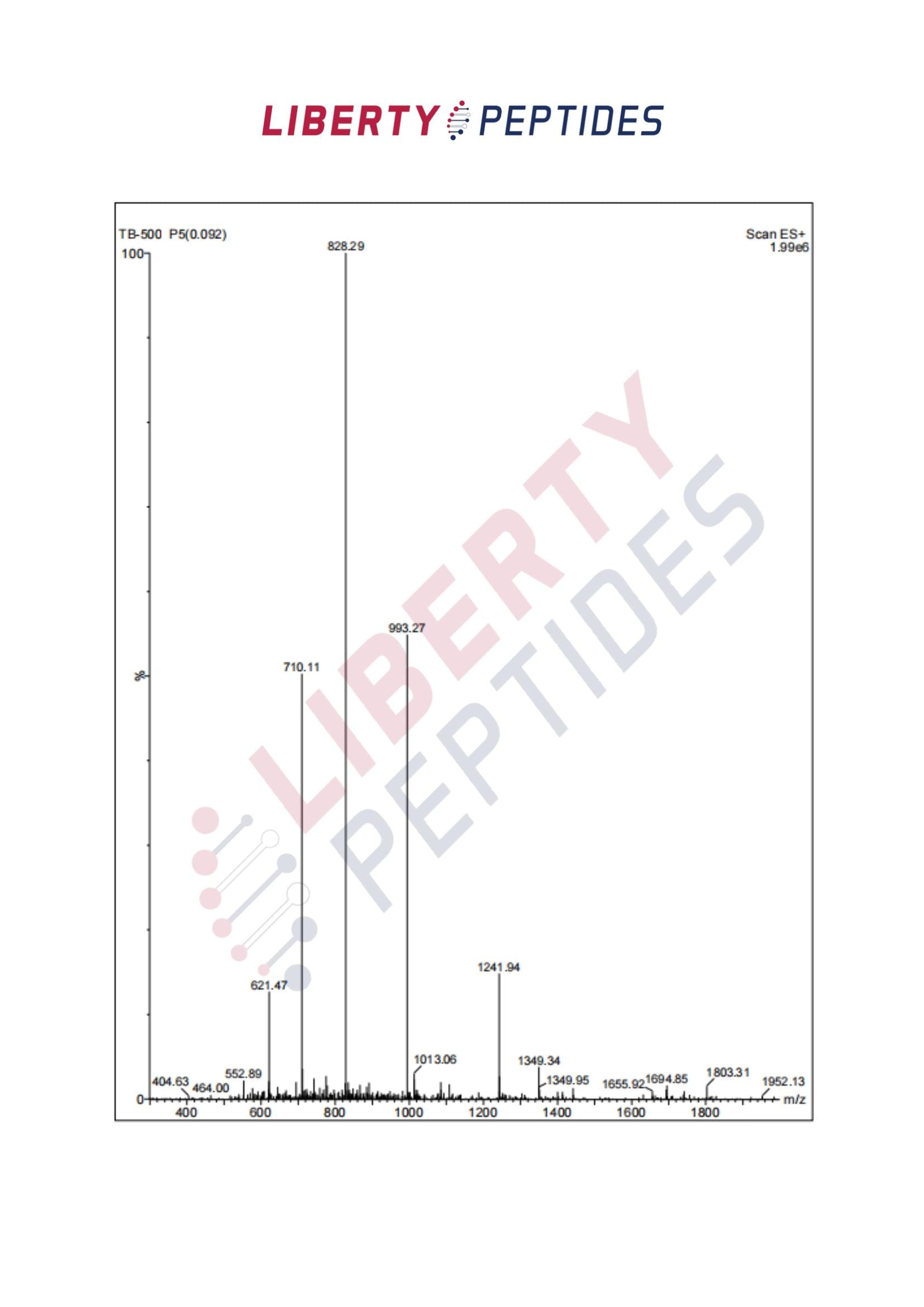
Thymosin Beta 4 is a small, 43-amino-acid peptide that was first identified in the thymus gland, an organ critical to the immune system. However, its functions extend far beyond immunity. Tβ4 is found in high concentrations in platelets and at wound sites, where it plays a key role in the body’s natural healing processes.
In its natural form, Tβ4 helps regulate cell migration, inflammation, and tissue regeneration. Scientists have synthesized a version of this peptide called TB-500, which is often used in research and therapeutic applications. TB-500 is designed to mimic the actions of Tβ4 but with enhanced bioavailability and targeted effects, making it particularly useful for addressing injuries and promoting recovery.
How Does Thymosin Beta 4 Work in the Body?
Tβ4 exerts its regenerative effects through several mechanisms, all of which are crucial for muscle recovery:
-
Cell Migration
Tβ4 enhances the movement of repair cells—such as fibroblasts and endothelial cells—to injury sites. This allows for faster and more efficient healing of damaged tissues. -
Angiogenesis
The peptide promotes the formation of new blood vessels, improving oxygen and nutrient delivery to injured areas. This is especially important for muscle recovery, as increased blood flow supports faster healing and reduces fatigue. -
Stem Cell Recruitment
Tβ4 attracts stem cells to injured areas and helps them differentiate into the appropriate tissue types, such as muscle or connective tissue. This process accelerates the body’s natural repair mechanisms. -
Anti-Inflammatory Effects
By reducing inflammatory cytokines and oxidative stress, Tβ4 creates an environment conducive to healing. Chronic inflammation can delay recovery, so managing it is essential for optimal results. -
Collagen and Elastin Remodeling
Tβ4 supports the formation of healthy extracellular matrix components, ensuring strong, flexible tissue repair. This is vital for maintaining the integrity of muscles and tendons after injury.
Why Thymosin Beta 4 Matters for Muscle Recovery

Muscle recovery is not just about rest—it’s about optimizing the body’s natural healing processes. Here’s why Tβ4 is making waves in the world of sports medicine and rehabilitation:
1. Accelerated Healing
Whether you’ve torn a muscle, sprained an ankle, or are recovering from surgery, Tβ4 can speed up the healing process. It helps the body rebuild damaged tissues more efficiently, allowing you to return to activity sooner.
2. Reduced Inflammation
Inflammation is a natural response to injury, but excessive or prolonged inflammation can hinder recovery. Tβ4 helps modulate this response, reducing swelling and pain while supporting tissue repair.
3. Improved Circulation
By promoting angiogenesis, Tβ4 increases blood flow to injured areas. This means more oxygen and nutrients reach the muscles, aiding in their recovery and reducing the risk of further damage.
4. Support for Tendons and Ligaments
Tβ4 isn’t just beneficial for muscle tissue—it also supports the healing of tendons and ligaments. These structures are often overlooked in recovery plans, but they play a crucial role in joint stability and mobility.
Real-World Applications and Success Stories
Athletes and fitness professionals are increasingly turning to Tβ4 for its recovery benefits. Here are a few examples of how it’s being used:
- Professional Athletes: Many athletes report faster recovery times and reduced downtime after using Tβ4. This is especially valuable for those in high-impact sports like football, basketball, or weightlifting.
- Post-Surgical Patients: Individuals recovering from orthopedic surgeries, such as ACL reconstruction or rotator cuff repairs, often see improved outcomes when Tβ4 is incorporated into their rehabilitation plan.
- Chronic Pain Sufferers: For those dealing with conditions like plantar fasciitis or patellar tendinitis, Tβ4 can help reduce inflammation and promote long-term healing.
Safety and Considerations
While Tβ4 shows great promise, it’s important to approach it with caution. Here are some key considerations:
- Not FDA-Approved: Currently, Tβ4 is not approved by the U.S. Food and Drug Administration (FDA) for medical use. It is primarily used in research settings or under the supervision of healthcare professionals.
- Possible Side Effects: Although rare, some users may experience mild side effects such as injection site irritation, fatigue, or dizziness. Always consult with a doctor before starting any new treatment.
- Not a Magic Bullet: Tβ4 works best when combined with other recovery strategies, such as proper nutrition, hydration, and rest. It’s not a substitute for a well-rounded recovery plan.
Practical Tips for Using Thymosin Beta 4

If you’re considering incorporating Tβ4 into your recovery routine, here are some practical tips to keep in mind:
- Consult a Healthcare Professional: Before starting any peptide therapy, speak with a qualified physician or sports medicine specialist. They can help determine the right dosage and administration method for your needs.
- Combine with Other Treatments: Tβ4 works best when paired with other recovery techniques, such as physical therapy, massage, or anti-inflammatory supplements.
- Monitor Your Progress: Keep track of how your body responds to Tβ4. If you notice any adverse effects, stop use and consult your doctor.
- Stay Informed: The science behind Tβ4 is still evolving. Stay updated on the latest research and always follow professional guidance.
The Future of Muscle Recovery
As research on Tβ4 continues to grow, its potential applications are expanding. Scientists are exploring its use in everything from neuroregeneration to cardiovascular health. While more studies are needed, the current evidence suggests that Tβ4 could be a game-changer in the field of muscle recovery and regenerative medicine.
For now, it’s clear that Tβ4 offers a powerful tool for those looking to enhance their recovery, whether they’re elite athletes or everyday individuals. With the right approach and professional guidance, it can be a valuable addition to any wellness strategy.

Post a Comment for "Thymosin Beta 4 and Its Role in Muscle Recovery: What You Need to Know"
Post a Comment