The Ultimate Guide to Stress Reduction Through Somatics
In a world that often feels like it's moving at breakneck speed, stress has become an almost unavoidable part of daily life. From work deadlines to personal relationships, the pressures we face can accumulate, leaving us feeling overwhelmed and exhausted. But what if there was a way to not only manage stress but to truly release it from your body? Enter somatics—a powerful approach that taps into the deep connection between the mind and body to help you reclaim your sense of calm and well-being.
This guide will explore how somatic practices can be used as a tool for stress reduction, offering practical techniques, insights, and real-life examples to help you understand and apply these methods in your own life. Whether you're new to somatics or looking to deepen your existing practice, this article will provide valuable information on how to harness the power of your body to reduce stress and enhance emotional resilience.
Understanding Somatics and Its Role in Stress Relief
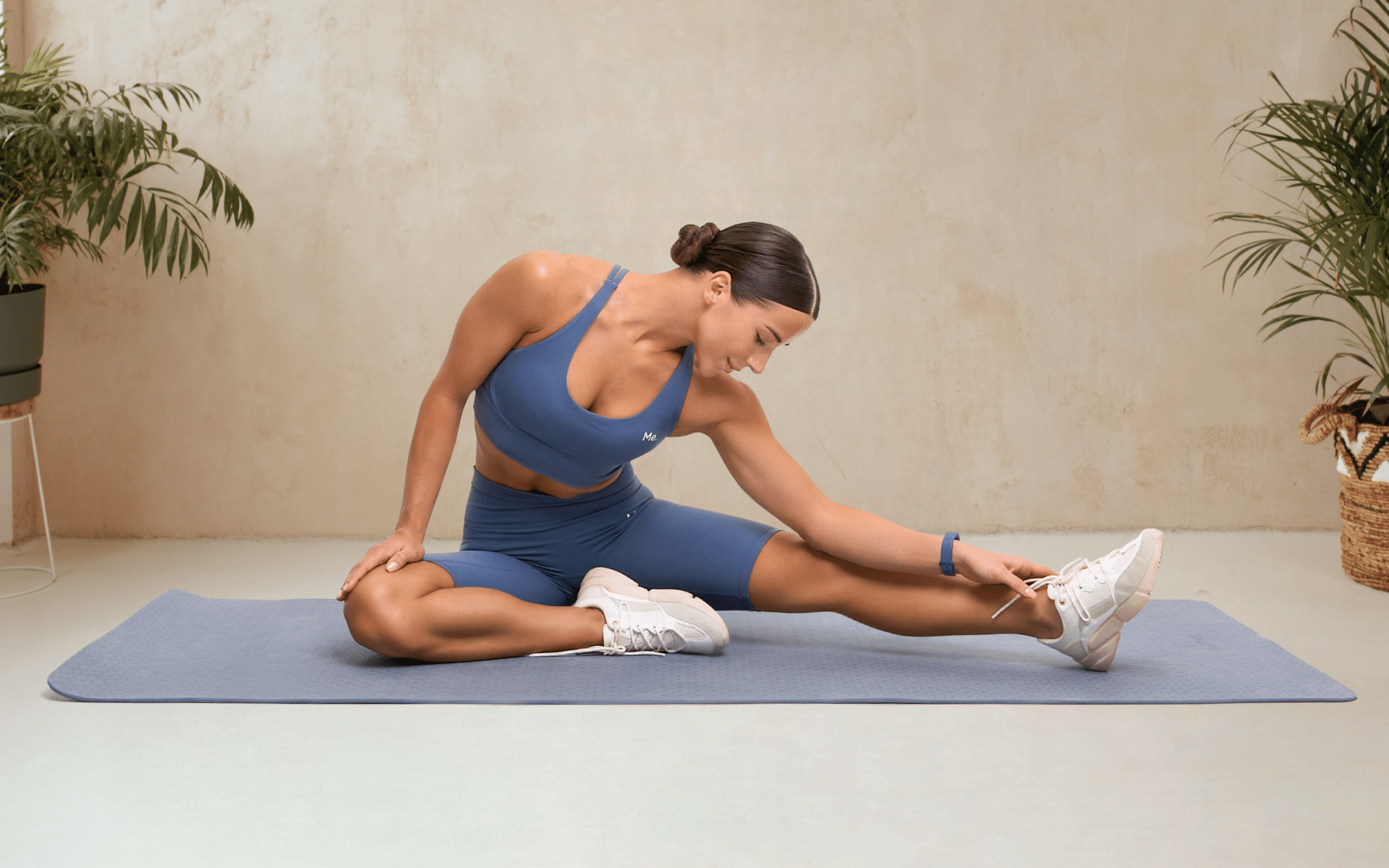
Somatics is a holistic approach that focuses on the relationship between the body and mind. It recognizes that stress isn't just a mental burden—it's also stored physically. When we experience stress, our bodies respond with tension, tightness, and other physical sensations. Over time, these responses can become ingrained, leading to chronic stress and its associated health issues.
The core idea behind somatics is that by becoming more aware of our physical sensations, we can begin to release the accumulated stress that’s been stored in our bodies. This awareness allows us to reconnect with our bodies in a way that promotes healing and balance.
Somatic practices are designed to help individuals recognize and release these physical tensions. Techniques such as breathing exercises, movement meditations, and body scans are used to bring attention to the body's signals, helping to restore a sense of calm and control.
How Stress Affects the Body
Stress triggers a cascade of physiological responses in the body. When we perceive a threat, our nervous system activates the "fight or flight" response, releasing hormones like cortisol and adrenaline. These hormones prepare the body to either confront the threat or flee from it. While this response is essential in acute situations, prolonged exposure to stress can lead to chronic activation of this system, which can have serious consequences.
Some common physical effects of chronic stress include:
- Muscle tension: Persistent stress can cause muscles to remain in a state of contraction, leading to pain and discomfort.
- Digestive issues: Stress can disrupt the digestive system, causing problems like indigestion, nausea, and even irritable bowel syndrome.
- Weakened immune system: Chronic stress can make the body more susceptible to illness and infections.
- Sleep disturbances: Stress can interfere with sleep patterns, leading to fatigue and irritability.
By understanding how stress affects the body, we can better appreciate the importance of somatic practices in addressing these physical manifestations of stress.
Key Somatic Techniques for Stress Reduction
There are several effective somatic techniques that can be used to reduce stress and promote relaxation. Here are some of the most commonly used methods:
1. Diaphragmatic Breathing
Also known as belly breathing, this technique involves taking slow, deep breaths that engage the diaphragm rather than shallow chest breathing. This type of breathing helps activate the body's relaxation response, reducing stress and promoting a sense of calm.
How to do it: - Sit or lie down in a comfortable position. - Place one hand on your chest and the other on your abdomen. - Inhale slowly through your nose, allowing your abdomen to rise. - Exhale slowly through your mouth, letting your abdomen fall. - Repeat for several minutes.
2. Grounding Exercises
Grounding exercises help bring your focus back to the present moment, which can be especially useful during times of high stress or anxiety. These exercises involve engaging the senses to create a sense of safety and stability.
How to do it: - Name five things you can see around you. - Identify four things you can touch. - List three things you can hear. - Note two things you can smell. - Recognize one thing you can taste.
3. Progressive Muscle Relaxation (PMR)
PMR involves tensing and then relaxing different muscle groups in the body. This technique helps release physical tension and promotes relaxation.
How to do it: - Start with your toes and work your way up to your head. - Tense each muscle group for a few seconds, then release. - Focus on the sensation of relaxation as you let go of the tension.
4. Body Scanning
Body scanning is a mindfulness practice that involves mentally scanning your body from head to toe, noticing areas of tension or discomfort. This practice helps increase body awareness and can be a powerful tool for stress relief.
How to do it: - Lie down in a comfortable position. - Close your eyes and take a few deep breaths. - Begin at your feet and move upward, noting any sensations you feel. - Breathe into areas of tension, allowing them to relax.
The Benefits of Somatic Practices
Incorporating somatic practices into your daily routine can offer a wide range of benefits, both physical and emotional. Some of the key advantages include:
- Reduced stress and anxiety: By focusing on the body, somatic practices help release built-up tension and promote a sense of calm.
- Improved emotional regulation: Increased body awareness can help individuals better understand and manage their emotions.
- Enhanced self-awareness: Somatic practices encourage a deeper connection with the body, fostering greater self-awareness and insight.
- Better sleep: Relaxation techniques can improve sleep quality, helping to restore energy and reduce fatigue.
- Increased resilience: Regular practice can build resilience against stress, making it easier to cope with challenges.
Personalizing Your Somatic Practice
One of the greatest strengths of somatic practices is their adaptability. Each person experiences stress differently, so it's important to find techniques that resonate with your unique needs and preferences. Here are some tips for personalizing your somatic practice:
- Experiment with different techniques: Try various methods to see which ones work best for you.
- Pay attention to your body: Notice how your body responds to different practices and adjust accordingly.
- Create a routine: Consistency is key when it comes to reaping the benefits of somatic practices.
- Seek guidance: If you're unsure where to start, consider working with a qualified somatic therapist or instructor.
Integrating Somatic Practices into Daily Life
To fully benefit from somatic practices, it's important to integrate them into your daily routine. Here are some simple ways to incorporate these techniques into your day:
- Morning routine: Start your day with a few minutes of deep breathing or a short body scan to set a positive tone.
- Work breaks: Use short grounding exercises or progressive muscle relaxation during breaks to relieve tension.
- Evening wind-down: End your day with a calming activity like a gentle stretch or a guided meditation.
By making these practices a regular part of your life, you can build a stronger foundation for stress management and overall well-being.
Conclusion
Stress is a natural part of life, but it doesn’t have to control your well-being. Through somatic practices, you can learn to release the physical and emotional tension that accumulates over time, restoring a sense of balance and calm. By becoming more aware of your body and its signals, you can develop a deeper connection with yourself and cultivate resilience against stress.
Whether you're looking to manage everyday stress or address deeper emotional challenges, somatics offers a powerful pathway to healing. With consistent practice and a willingness to explore your body's wisdom, you can transform the way you experience stress and reclaim your sense of peace and well-being.

Post a Comment for "The Ultimate Guide to Stress Reduction Through Somatics"
Post a Comment