The Ultimate Guide to Personalized Female Health Tracking for Better Wellness
Personalized female health tracking is no longer a luxury—it's a necessity. As women navigate the complexities of their bodies, from menstrual cycles to hormonal fluctuations and beyond, having tools that offer tailored insights can make all the difference in maintaining wellness. Whether you're trying to understand your fertility, manage chronic conditions, or simply stay informed about your body, personalized health tracking empowers you with knowledge and control.
This guide explores the latest advancements in female health technology, the benefits of personalized tracking, and how to choose the right tools for your unique needs. From AI-powered wearables to mobile apps, we’ll cover everything you need to know to take charge of your health journey.
Understanding Personalized Female Health Tracking

Personalized female health tracking involves using technology to monitor and analyze individual health data specific to a woman’s physiological patterns. Unlike generic health tools, these systems adapt to your unique body rhythms, providing insights that are more accurate and relevant to your life.
For example, while traditional period-tracking apps rely on user input, modern tools use continuous biometric data—like heart rate variability (HRV), sleep patterns, and even sweat biomarkers—to predict cycles and detect anomalies. This level of customization allows for early intervention, helping women address potential health issues before they escalate.
The goal of personalized tracking is not just to monitor symptoms but to understand the underlying causes of those symptoms. By analyzing trends over time, these tools can help identify patterns that may be linked to stress, diet, lifestyle changes, or hormonal imbalances.
The Rise of AI-Powered Health Tech
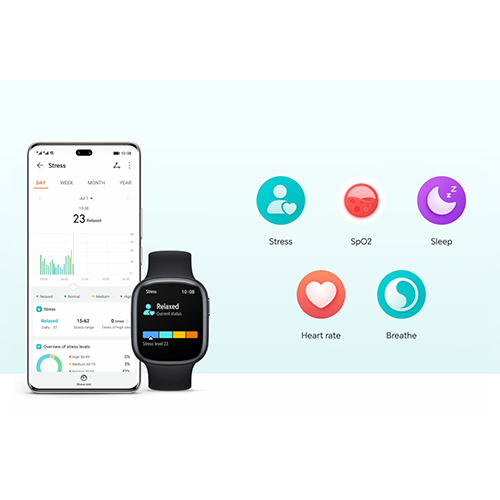
Artificial intelligence (AI) has revolutionized the field of female health tracking. AI-powered wearables and apps now collect and analyze vast amounts of data, offering insights that were once only possible through medical consultations.
These technologies go beyond simple calendar-based tracking. They continuously monitor biometrics, such as:
- Resting temperature
- Heart rate variability (HRV)
- Sleep quality
- Sweat biomarkers
By layering this data with machine learning algorithms, AI can predict menstrual cycles, fertility windows, and even detect irregularities that may indicate health concerns. For instance, some devices claim up to 95% accuracy in predicting periods, making them invaluable for women with irregular cycles.
Experts like Dr. Shalini Prasad, a bioengineer at UT Dallas, highlight the potential of these tools. “It’s like the check-engine light in a car—the device gives an early warning but doesn’t diagnose by itself. It helps you intervene earlier,” she explains.
Key Applications of Personalized Health Tracking
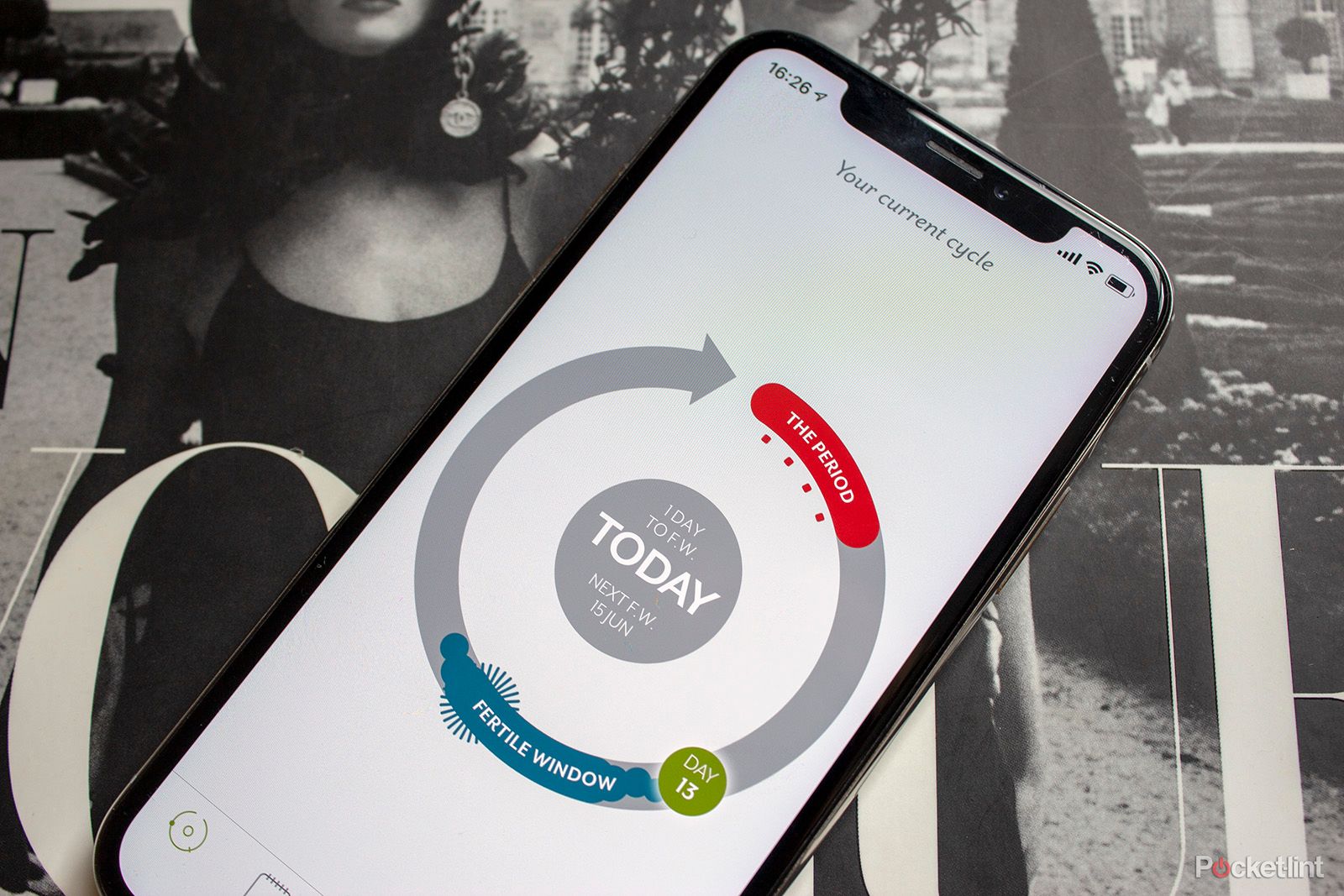
Personalized female health tracking isn't limited to menstrual cycle monitoring. It extends to various aspects of well-being, including:
1. Fertility & Conception Support
For women trying to conceive or avoid pregnancy, AI-powered tools provide detailed insights into fertile windows. Devices like the Ava Bracelet and Tempdrop analyze basal body temperature, sleep patterns, and HRV to predict ovulation accurately—even for those with irregular cycles.
2. Hormonal & Stress Monitoring
Hormonal fluctuations can significantly impact mood, energy levels, and overall health. Wearables that track HRV, cortisol levels, and other biomarkers help women understand how stress and hormonal shifts affect their bodies. This data can guide lifestyle adjustments and inform discussions with healthcare providers.
3. Menopause & Perimenopause Tracking
As women transition through menopause, tracking symptoms like hot flashes, sleep disturbances, and mood swings becomes essential. Some apps now offer specialized features to monitor these changes and provide guidance on managing them effectively.
4. Chronic Condition Management
For women with conditions like PCOS, endometriosis, or thyroid disorders, personalized tracking can help monitor symptoms and treatment effectiveness. Apps like PCOS Tracker and Phendo allow users to log insulin levels, pain intensity, and other relevant metrics, making it easier to communicate with doctors.
Choosing the Right Tools for You
With so many options available, selecting the right health-tracking tools can feel overwhelming. Here are some factors to consider:
- Accuracy: Look for tools that use validated biometric data and have strong user reviews.
- Privacy: Ensure the app or device offers robust data encryption and clear privacy policies.
- User Experience: Choose platforms that are intuitive and easy to navigate.
- Integration: Consider tools that sync with other health apps or devices for a holistic view of your wellness.
Some top-rated apps include: - Flo for AI-powered cycle predictions - Clue for science-backed tracking - Sweat for fitness and postpartum recovery - The Bump for pregnancy support
Each of these apps offers unique features tailored to different stages of a woman’s life, making it easier to find the right fit for your needs.
Challenges and Considerations
While personalized health tracking offers numerous benefits, there are also challenges to consider:
- Data Privacy: Sensitive reproductive data must be protected from unauthorized access.
- Algorithm Bias: AI models should account for diverse physiological and cultural backgrounds to avoid inaccuracies.
- Clinical Validation: Not all devices are FDA-cleared, so it’s important to consult with healthcare professionals when interpreting results.
Despite these hurdles, the future of personalized female health tracking looks promising. As technology continues to evolve, we can expect even more advanced tools that cater to the unique needs of women.
The Future of Female Health Tracking
Looking ahead, the integration of genomics, advanced biochemical sensing, and predictive coaching will further enhance the capabilities of health-tracking tools. These innovations will enable more personalized recommendations for nutrition, exercise, and mental health, making it easier for women to maintain balance and well-being.
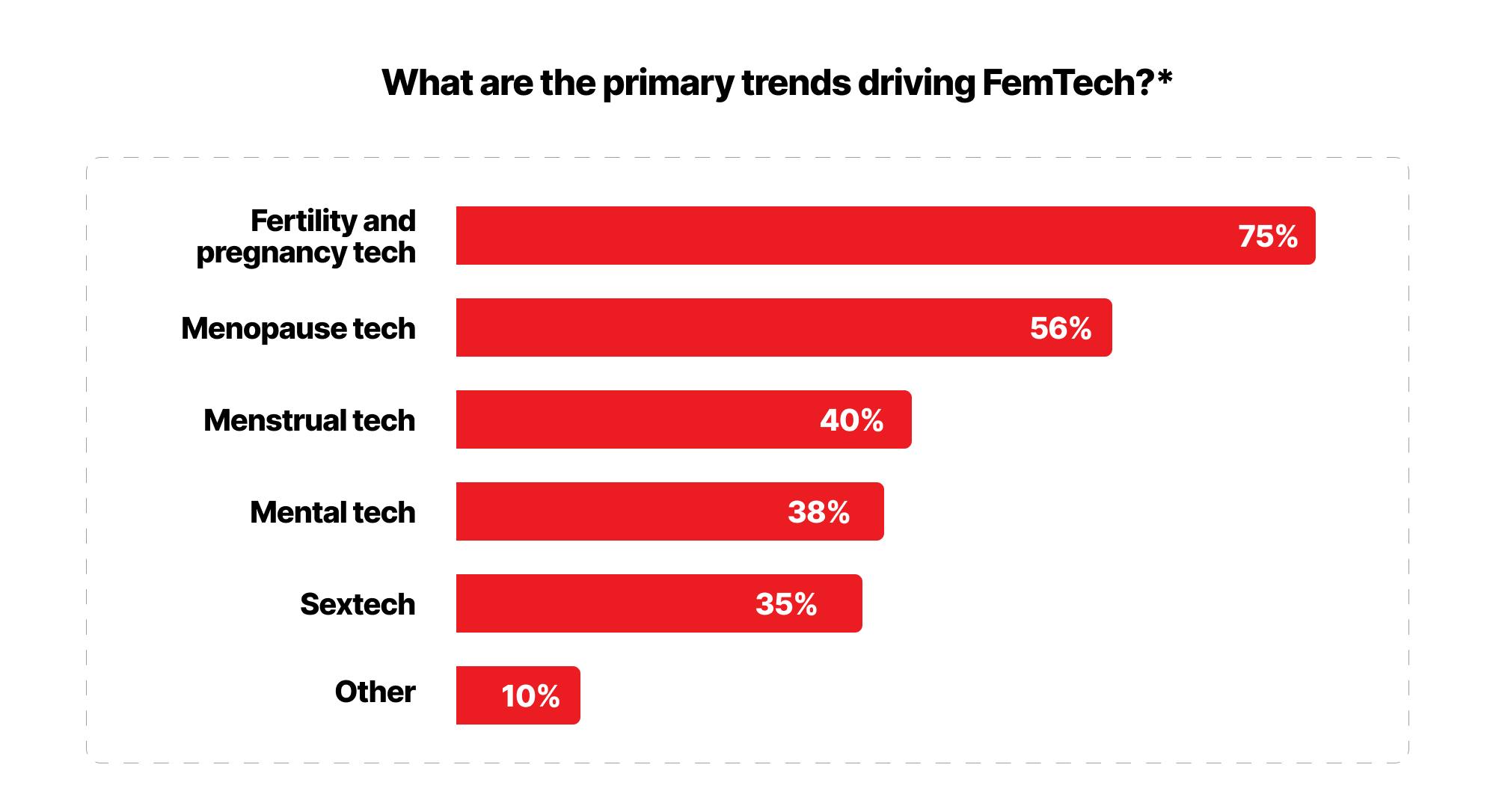
As the FemTech industry grows, we can also anticipate increased accessibility and affordability. With more insurance companies covering these tools and greater public awareness, personalized health tracking will become a standard part of women’s healthcare.
Conclusion
Personalized female health tracking is transforming how women understand and manage their well-being. By leveraging AI, wearables, and mobile apps, women can gain deeper insights into their bodies, detect potential health issues early, and make informed decisions about their lives.
Whether you're tracking your menstrual cycle, managing a chronic condition, or preparing for pregnancy, the right tools can empower you to take control of your health. As technology continues to advance, the future of female health tracking looks brighter than ever.
Start exploring the options today and take the first step toward a healthier, more informed you.

Post a Comment for "The Ultimate Guide to Personalized Female Health Tracking for Better Wellness"
Post a Comment