The Top Benefits of Consistent Zone 2 Training for Long-Term Fitness
When it comes to fitness, the idea that harder is always better has long dominated the conversation. But what if the secret to long-term success lies in a slower, more sustainable approach? Enter Zone 2 training—a method that has gained traction among athletes and fitness enthusiasts alike for its ability to build endurance, improve metabolic efficiency, and support overall health. In this article, we’ll explore the science behind Zone 2 training, why consistency matters, and how you can harness its benefits to achieve lasting fitness results.
Understanding Zone 2 Training
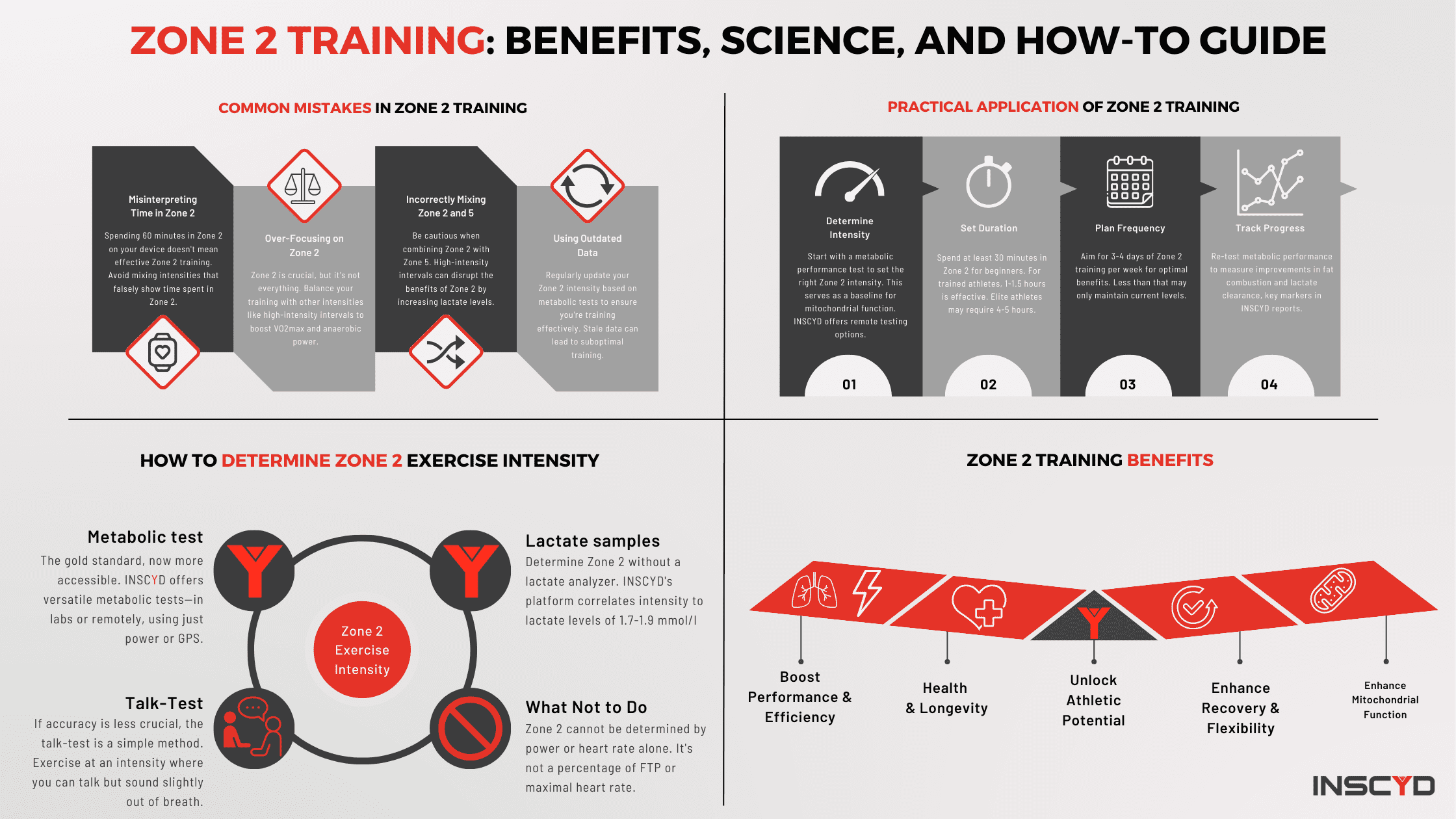
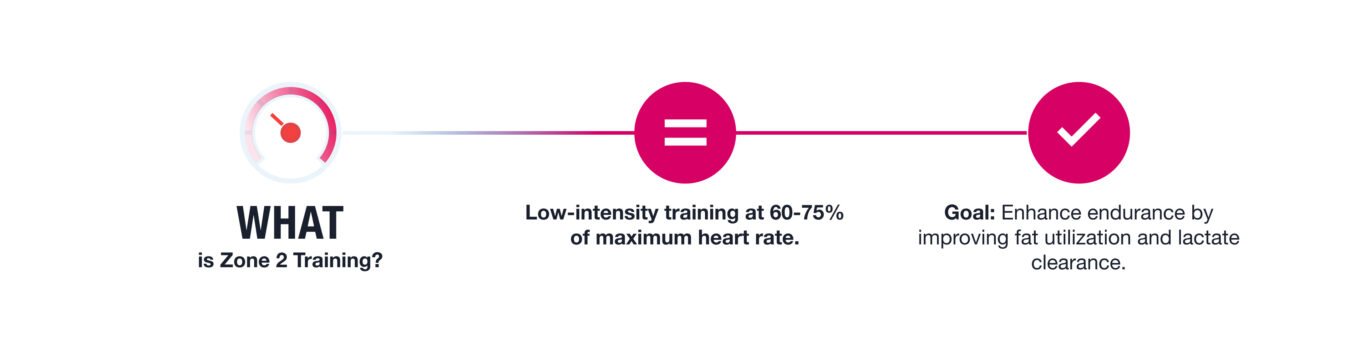
Zone 2 training refers to exercising at 60-70% of your maximum heart rate (MHR). This intensity level falls between the lightest Zone 1 (50-60%) and the more demanding Zone 3 (70-80%). At this pace, your body operates below the aerobic threshold, meaning it efficiently uses fat as fuel while minimizing lactate buildup. This makes Zone 2 ideal for building aerobic capacity and cardiovascular health over time.
Unlike high-intensity workouts that push your body to its limits, Zone 2 training feels "easy" or "comfortable." You should be able to maintain a casual conversation without gasping for air. While less precise than heart rate monitoring, the "talk test" can help approximate your effort level. However, for accuracy, a heart rate monitor is essential. It ensures you stay within the 60-70% MHR range, allowing you to maximize the benefits of this training zone.
The Science Behind Zone 2 Training
One of the most compelling aspects of Zone 2 training is its impact on mitochondria—the powerhouses of your cells responsible for producing energy. Research shows that consistent Zone 2 sessions increase mitochondrial density and function, improving your body's ability to use oxygen and generate ATP (adenosine triphosphate), the molecule that fuels muscle contractions.
This cellular adaptation translates to better endurance, faster recovery, and improved metabolic efficiency. When you train in Zone 2, your body becomes more efficient at burning fat for fuel, which can help reduce reliance on carbohydrates and delay fatigue during prolonged efforts. Over time, this metabolic shift supports long-term endurance and helps your body switch between different fuel sources more effectively.
Additionally, Zone 2 training promotes lactate clearance. Since lactate accumulation remains minimal at this intensity, your muscles can process it more efficiently, allowing you to sustain effort for longer periods without experiencing the burn associated with higher zones.
Building a Sustainable Fitness Foundation
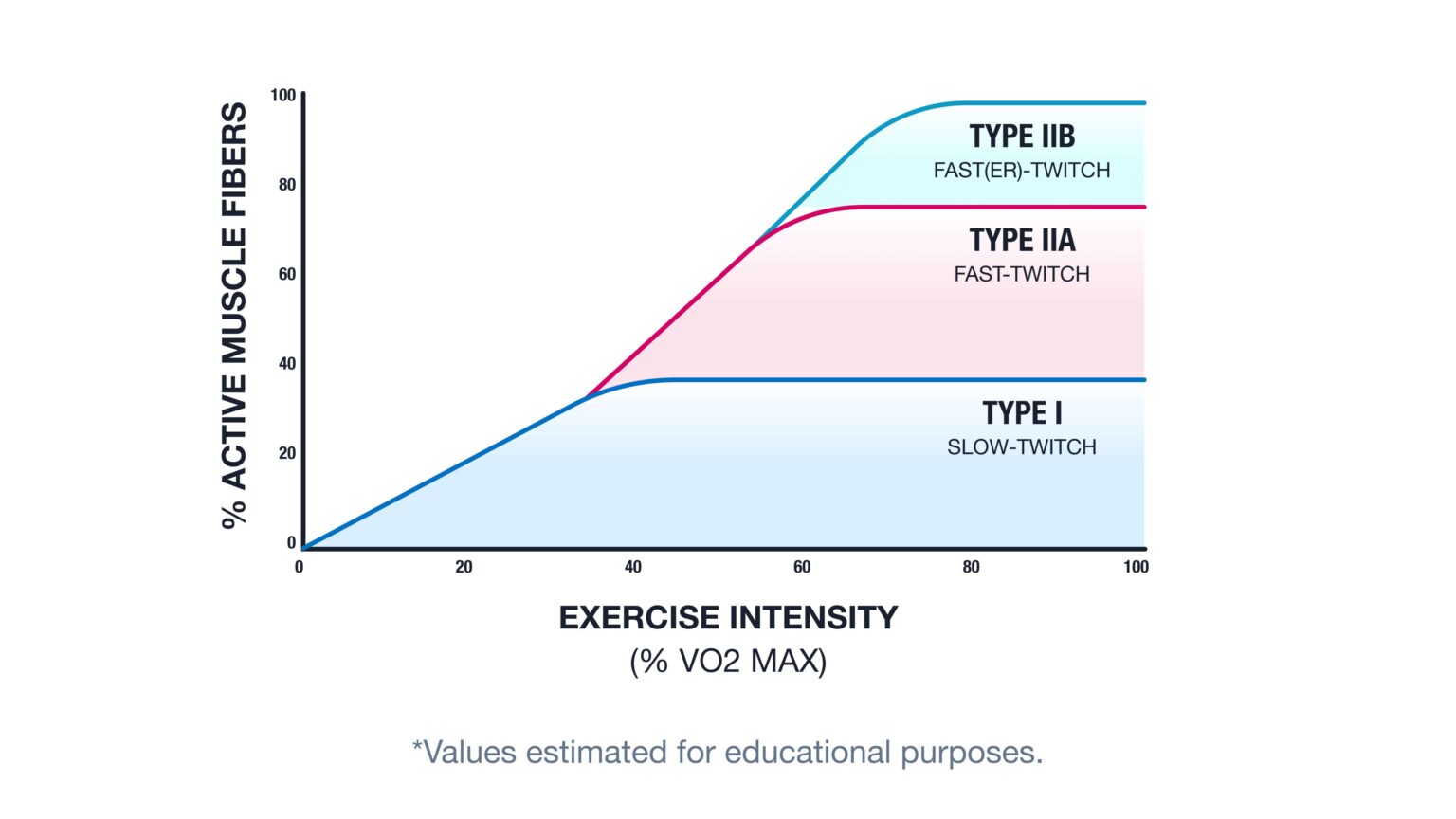
For many, the appeal of Zone 2 training lies in its sustainability. Unlike high-intensity workouts that demand significant recovery time, Zone 2 sessions are low-stress and easy to recover from. This makes them an excellent complement to more intense training, helping you avoid burnout and injury while still making progress.
Consistency is key when it comes to Zone 2 training. Studies suggest that maintaining a moderate intensity over time produces sustainable fitness gains without the recovery demands of harder efforts. Whether you're a competitive athlete or a fitness enthusiast, incorporating regular Zone 2 sessions into your routine can lead to improvements in endurance, fat metabolism, and overall cardiovascular health.
Practical Tips for Effective Zone 2 Training
To get the most out of Zone 2 training, consider the following strategies:
- Use a heart rate monitor to ensure you're staying within the 60-70% MHR range.
- Start with shorter sessions, such as 30 minutes, and gradually increase the duration by 5-10 minutes each week.
- Mix up your activities—cycling, swimming, rowing, or even hiking can all be effective forms of Zone 2 training.
- Focus on form and rhythm rather than speed. The goal is to maintain a steady pace that feels comfortable and sustainable.
- Track your progress by noting how your pace improves over time while maintaining the same heart rate.
By following these guidelines, you'll not only build a strong aerobic base but also develop the mental discipline needed to stay consistent over the long term.
Common Mistakes and How to Avoid Them

Despite its benefits, Zone 2 training is often misunderstood or misapplied. One common mistake is pushing too hard during sessions, inadvertently moving into higher zones. This can undermine the purpose of the workout and increase the risk of overtraining. To avoid this, regularly check your heart rate and adjust your pace accordingly.
Another pitfall is relying solely on perceived exertion. While the talk test can give a general sense of your effort level, it's not always accurate. A heart rate monitor provides objective data, ensuring you stay within the optimal range.
Finally, some athletes neglect to incorporate Zone 2 training into their routines altogether, opting instead for high-intensity workouts. While these have their place, they shouldn't come at the expense of building a solid aerobic foundation.
The Psychological Benefits of Zone 2 Training
Beyond the physical advantages, Zone 2 training offers psychological benefits that make it particularly appealing. Because it's relatively low-stress, it can serve as a productive break from high-intensity training, which often requires significant mental focus and pain tolerance. For many, the meditative nature of Zone 2 workouts—where you can find your rhythm and stay present—can be deeply rewarding.
This mental clarity can translate to better performance in other areas of life, from work to personal relationships. By incorporating Zone 2 training into your routine, you're not just improving your fitness—you're cultivating a mindset of patience, discipline, and long-term thinking.
Conclusion
Consistent Zone 2 training is more than just a fitness trend—it's a scientifically backed strategy for building long-term endurance, improving metabolic efficiency, and supporting overall health. By focusing on steady, moderate-intensity workouts, you can create a strong aerobic base that enhances your performance in all areas of life.
Whether you're an elite athlete or someone looking to improve their fitness, the benefits of Zone 2 training are clear. With the right approach, consistency, and mindset, you can unlock a new level of endurance and resilience that will serve you for years to come. So next time you hit the road, trail, or gym, remember: sometimes, going slow is the fastest way to go far.

Post a Comment for "The Top Benefits of Consistent Zone 2 Training for Long-Term Fitness"
Post a Comment