The Science Behind Youthful Skin: How Peptides and Collagen Work Together
If you’ve ever wondered why some people seem to defy aging, the answer might lie in the science of peptides and collagen. These two ingredients have become cornerstones of modern skincare, backed by a growing body of research that highlights their role in maintaining youthful, radiant skin. But how exactly do they work? And what makes them so effective? In this article, we’ll explore the science behind peptides and collagen, their unique benefits, and how they can be used together to achieve healthier, more vibrant skin.
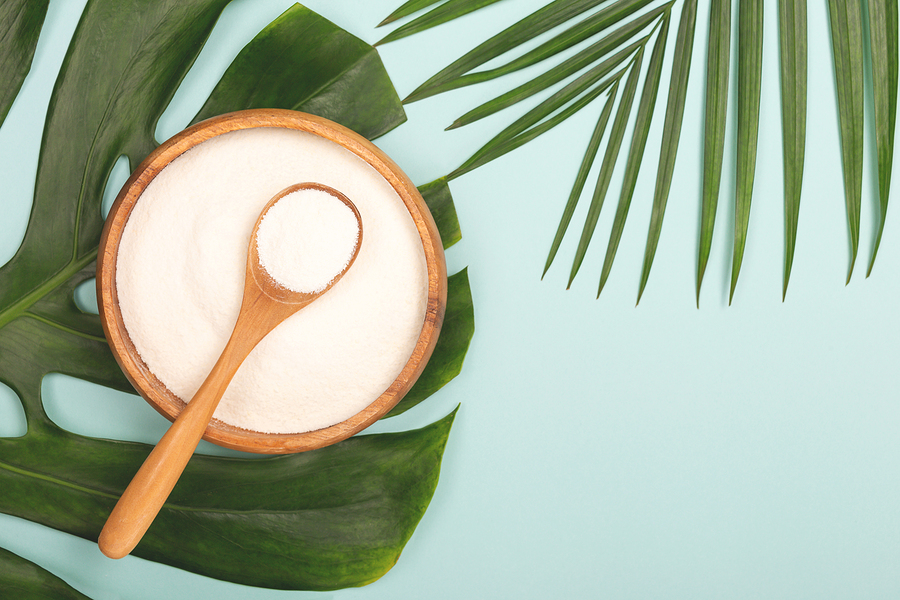
What Are Peptides and How Do They Work?

Peptides are short chains of amino acids, the building blocks of proteins. In skincare, they act as messengers, sending signals to skin cells to perform specific functions—like producing more collagen, repairing damage, or improving barrier strength. Think of them as your skin’s personal trainers: they motivate your cells to work harder and smarter for healthier, more youthful-looking skin.
There are many types of peptides, each with its own unique function. Some stimulate collagen production, while others help strengthen the skin’s natural barrier or reduce inflammation. This versatility makes peptides a powerful tool in any skincare routine.
The Role of Collagen in Skin Health

Collagen is the most abundant protein in the human body, found in the skin, bones, tendons, and ligaments. It provides structure, strength, and elasticity to the skin, helping it stay firm and resilient. As we age, our bodies naturally produce less collagen, leading to visible signs of aging such as fine lines, wrinkles, and sagging skin.
While collagen is essential for skin health, the collagen found in supplements or topical products isn’t always the same as the collagen produced by the body. That’s where collagen peptides come in. These are smaller, broken-down pieces of collagen that are easier for the body to absorb and use. When applied topically or taken orally, collagen peptides can help support the skin’s natural collagen production, leading to improved texture, firmness, and hydration.
How Peptides and Collagen Work Together

The synergy between peptides and collagen is what makes them so effective for anti-aging skincare. Peptides act as signals that tell the skin to produce more collagen, while collagen itself provides the structural support needed for healthy, youthful skin. Together, they create a powerful combination that can improve skin elasticity, reduce the appearance of wrinkles, and enhance overall skin health.
For example, certain peptides like palmitoyl tripeptide and copper tripeptide are known to stimulate collagen synthesis, while others like hyaluronic acid peptides help retain moisture and plump the skin. When combined with collagen peptides, these ingredients work in harmony to deliver visible results over time.
Benefits of Using Peptides and Collagen in Skincare

-
Stimulate Collagen Production
Peptides send signals to skin cells to boost collagen synthesis, helping to reverse the natural decline that occurs with age. This leads to smoother, firmer skin with reduced fine lines and wrinkles. -
Strengthen the Skin Barrier
Both peptides and collagen help reinforce the skin’s protective barrier, improving hydration and reducing sensitivity. This is especially beneficial for those with dry or sensitive skin. -
Reduce Inflammation and Redness
Some peptides have calming, anti-inflammatory properties that can soothe irritation, redness, and uneven tone, promoting faster healing and a more even complexion. -
Improve Elasticity and Texture
By supporting both collagen and elastin production, peptides and collagen help restore skin’s suppleness and bounce, giving it a more youthful, radiant appearance. -
Synergistic Effects with Other Actives
Peptides are gentle and stable, making them compatible with other skincare actives like antioxidants, retinoids, and AHAs. This allows for a more comprehensive approach to anti-aging and skin renewal.
Practical Tips for Incorporating Peptides and Collagen into Your Routine
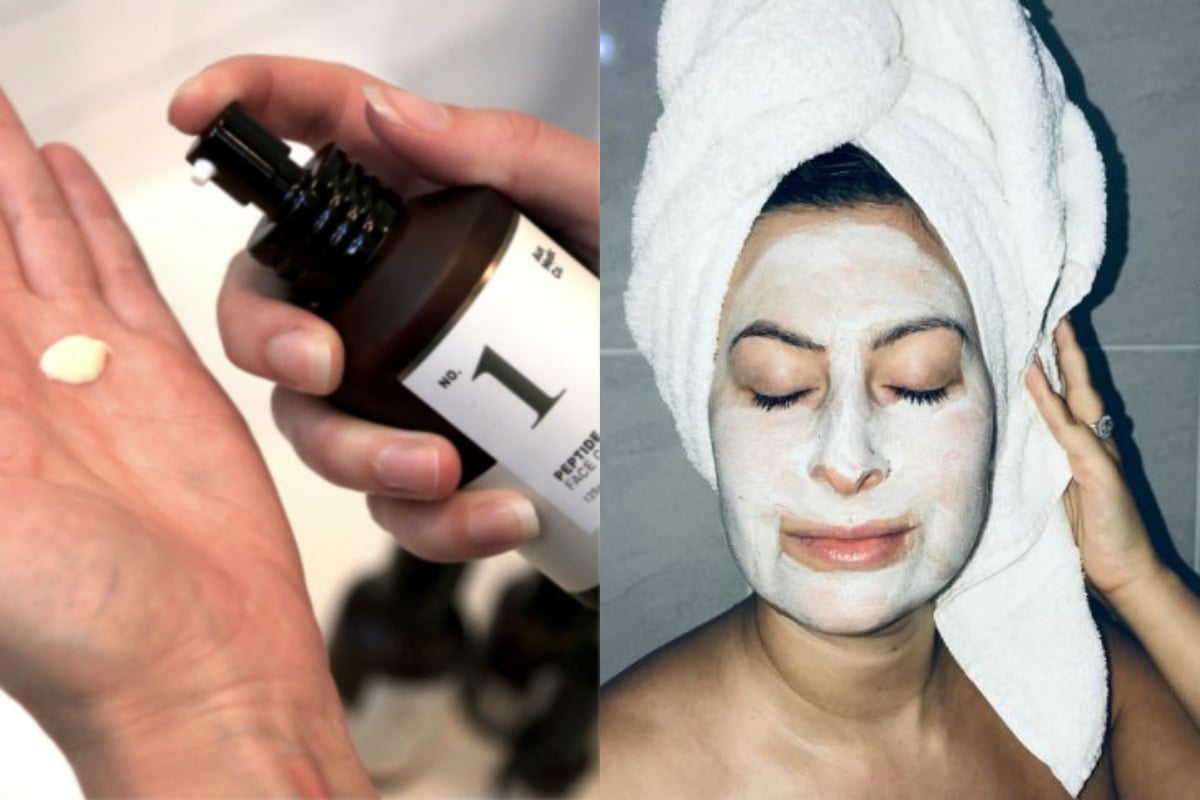
To get the most out of peptides and collagen, consider the following tips:
-
Start with a Peptide-Rich Serum: Apply a serum containing peptides and collagen after cleansing, both morning and night. Look for products with ingredients like palmitoyl tripeptide, copper tripeptide, or hydrolyzed collagen.
-
Pair with Antioxidants: Combine peptides with antioxidants like vitamin C in the morning to protect against environmental stressors and enhance collagen production.
-
Use Retinol at Night: Retinol can be paired with peptides to boost anti-aging effects without causing irritation. Apply retinol after your peptide serum for optimal results.
-
Be Consistent: Results from peptides and collagen take time. Consistency is key to seeing improvements in skin texture, firmness, and hydration.
-
Hydrate and Protect: Don’t forget to moisturize and wear sunscreen daily. Hydration and sun protection are essential for maintaining healthy, youthful skin.
Real-Life Examples and Scientific Backing

Numerous studies have shown the effectiveness of peptides and collagen in skincare. For instance, research published in The American Journal of Pathology found that collagen production decreases with age, leading to visible signs of aging. However, when peptides were introduced, they helped stimulate collagen synthesis, resulting in improved skin elasticity and firmness.
Another study in Molecules highlighted the benefits of hydrolyzed collagen peptides for skin hydration and elasticity. Participants who took collagen supplements showed significant improvements in skin texture and moisture levels over time.
These findings are supported by real-life experiences as well. Many users report that incorporating peptides and collagen into their routines has led to noticeable improvements in their skin’s appearance, from reduced wrinkles to a more even complexion.
Choosing the Right Products

When selecting skincare products that contain peptides and collagen, look for high-quality formulations with proven ingredients. Here are a few key considerations:
-
Look for Hydrolyzed Collagen: Hydrolyzed collagen is easier for the skin to absorb and use, making it more effective than unprocessed collagen.
-
Check for Specific Peptides: Different peptides target different concerns. For example, palmitoyl tripeptide is great for stimulating collagen, while copper tripeptide supports wound healing and skin repair.
-
Avoid Harsh Ingredients: Peptides are gentle, so avoid products with harsh chemicals that could irritate the skin or interfere with their effectiveness.
-
Opt for Trusted Brands: Choose brands that use scientific research to back their claims. Products from reputable companies like Dermalist and CLEARSTEM are formulated with proven ingredients and tested for safety and efficacy.
Conclusion

The science behind youthful skin is rooted in the power of peptides and collagen. These two ingredients work together to stimulate collagen production, strengthen the skin’s barrier, and improve elasticity and hydration. Whether you’re looking to reduce the signs of aging or simply maintain healthy, radiant skin, incorporating peptides and collagen into your routine can make a significant difference.
By understanding how these ingredients work and choosing the right products, you can unlock the full potential of your skincare regimen. Remember, consistency is key, and with time, you’ll start to see the results you’ve been aiming for.

Post a Comment for "The Science Behind Youthful Skin: How Peptides and Collagen Work Together"
Post a Comment