The Role of Predictive Analytics in Modern Wellness: How Data Drives Health Outcomes
In an era where health and wellness are increasingly intertwined with technology, the use of predictive analytics has emerged as a powerful tool for transforming how we understand and manage personal and corporate well-being. From tracking individual health metrics to optimizing workplace wellness programs, data-driven insights are reshaping the landscape of modern healthcare. This article explores how predictive analytics is revolutionizing wellness, offering actionable strategies that can improve health outcomes for individuals and organizations alike.

Understanding Predictive Analytics in Wellness

Predictive analytics involves using historical data to forecast future trends and behaviors. In the context of wellness, this means analyzing patterns in health data—such as biometric readings, lifestyle habits, and medical history—to anticipate potential health risks or opportunities for improvement. By leveraging these insights, individuals and organizations can make informed decisions that lead to better health outcomes.
For example, wearable devices like smartwatches and fitness trackers collect vast amounts of data on heart rate, sleep patterns, and physical activity. When analyzed through predictive models, this data can identify early signs of conditions such as hypertension or diabetes, enabling proactive interventions before serious complications arise.
Key Metrics for Effective Wellness Programs
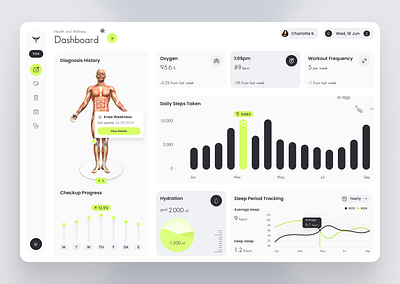
To harness the power of predictive analytics, it's essential to track the right metrics. Here are some key indicators that can provide valuable insights into wellness:
- Biometric Data: Blood pressure, cholesterol levels, glucose levels, and BMI are critical indicators of overall health.
- Engagement Levels: Monitoring participation in wellness activities helps assess the effectiveness of programs and identify areas for improvement.
- Health Behavior Changes: Tracking shifts in diet, exercise, and stress management can reveal the impact of wellness initiatives.
- Mental Health Indicators: Assessing stress levels, anxiety, and depression through surveys or digital tools provides a holistic view of well-being.
By focusing on these metrics, organizations can tailor their wellness programs to meet the specific needs of their employees, leading to more effective and sustainable outcomes.
Real-World Applications of Predictive Analytics

The application of predictive analytics in wellness extends beyond individual health tracking. In corporate settings, companies are using data to create personalized wellness programs that address the unique needs of their workforce. For instance, by analyzing employee health data, employers can identify common risk factors and design targeted interventions, such as stress management workshops or nutrition education sessions.
Moreover, predictive analytics can help in forecasting healthcare costs and resource allocation. By understanding the potential health challenges of a workforce, companies can invest in preventive care, reducing the likelihood of costly medical emergencies and improving overall productivity.
Challenges and Solutions in Implementing Predictive Analytics

While the benefits of predictive analytics in wellness are clear, there are also challenges to consider. One significant hurdle is data privacy. Ensuring that sensitive health information is protected while still allowing for meaningful analysis is crucial. Organizations must adhere to regulations like HIPAA in the United States to maintain trust and compliance.
Another challenge is the integration of diverse data sources. Combining data from wearable devices, electronic health records, and employee surveys requires robust data management systems. Investing in integrated technology solutions can streamline this process, making it easier to derive actionable insights.
Additionally, the need for skilled analysts cannot be overlooked. Training staff to interpret and act on data is essential for maximizing the value of predictive analytics. Continuous education and collaboration between IT, HR, and healthcare professionals can foster a culture of data-driven decision-making.
The Future of Predictive Analytics in Wellness
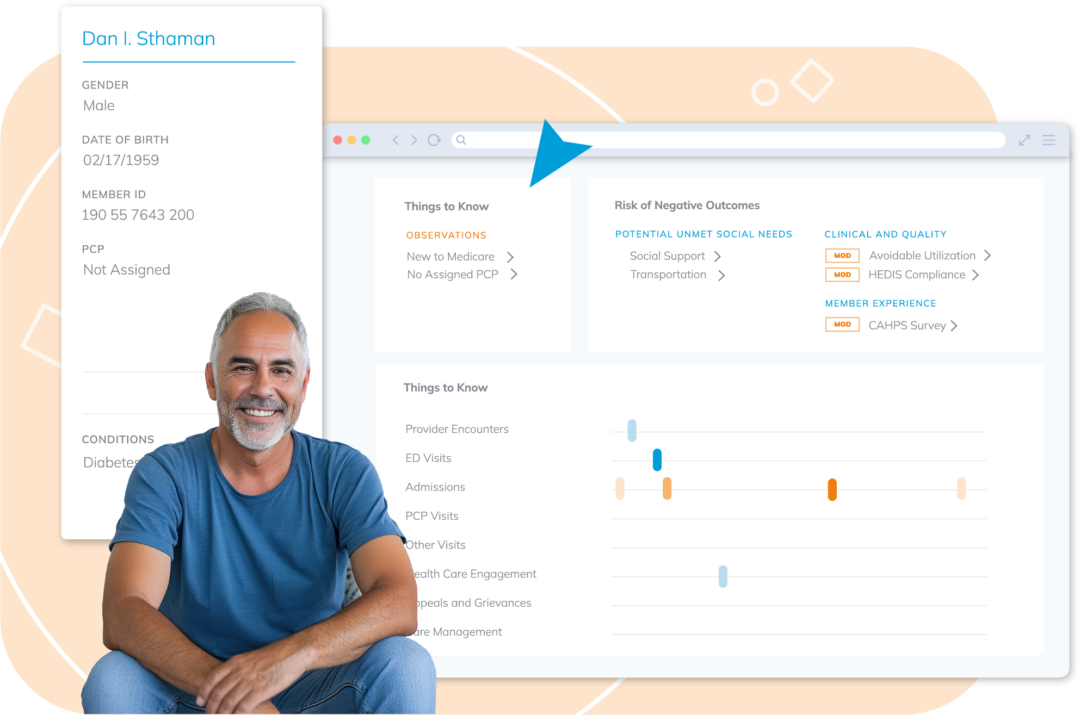
As technology continues to evolve, the future of predictive analytics in wellness looks promising. With advancements in artificial intelligence and machine learning, the ability to analyze complex health data will only improve. These technologies can uncover hidden patterns and correlations, leading to more accurate predictions and personalized recommendations.
Moreover, the integration of real-time data from wearable devices and mobile apps will enable continuous monitoring of health metrics. This ongoing feedback loop can empower individuals to take control of their health, making adjustments based on real-time insights rather than relying on periodic check-ups.
Conclusion
Predictive analytics is reshaping the landscape of wellness by providing actionable insights that drive better health outcomes. From individual health tracking to corporate wellness programs, the ability to forecast health trends and behaviors is invaluable. By focusing on key metrics, addressing challenges, and embracing technological advancements, individuals and organizations can unlock the full potential of data-driven wellness.
As we move forward, the integration of predictive analytics into everyday health practices will become increasingly essential. By staying informed and proactive, we can harness the power of data to create healthier, more resilient communities. The journey toward a data-driven approach to wellness is just beginning, and the possibilities are endless.

Post a Comment for "The Role of Predictive Analytics in Modern Wellness: How Data Drives Health Outcomes"
Post a Comment