The Power of Somatic Practices in Trauma Healing: A Comprehensive Guide
In a world where mental health is increasingly recognized as vital, the need for effective trauma healing methods has never been more urgent. For many, traditional talk therapy alone may not be enough to address deep-seated emotional wounds. This is where somatic practices come into play—offering a unique and powerful way to heal by reconnecting with the body. If you're looking for a holistic approach to trauma recovery, this guide will explore how somatic practices can help you release stored emotions, restore balance, and reclaim your sense of self.
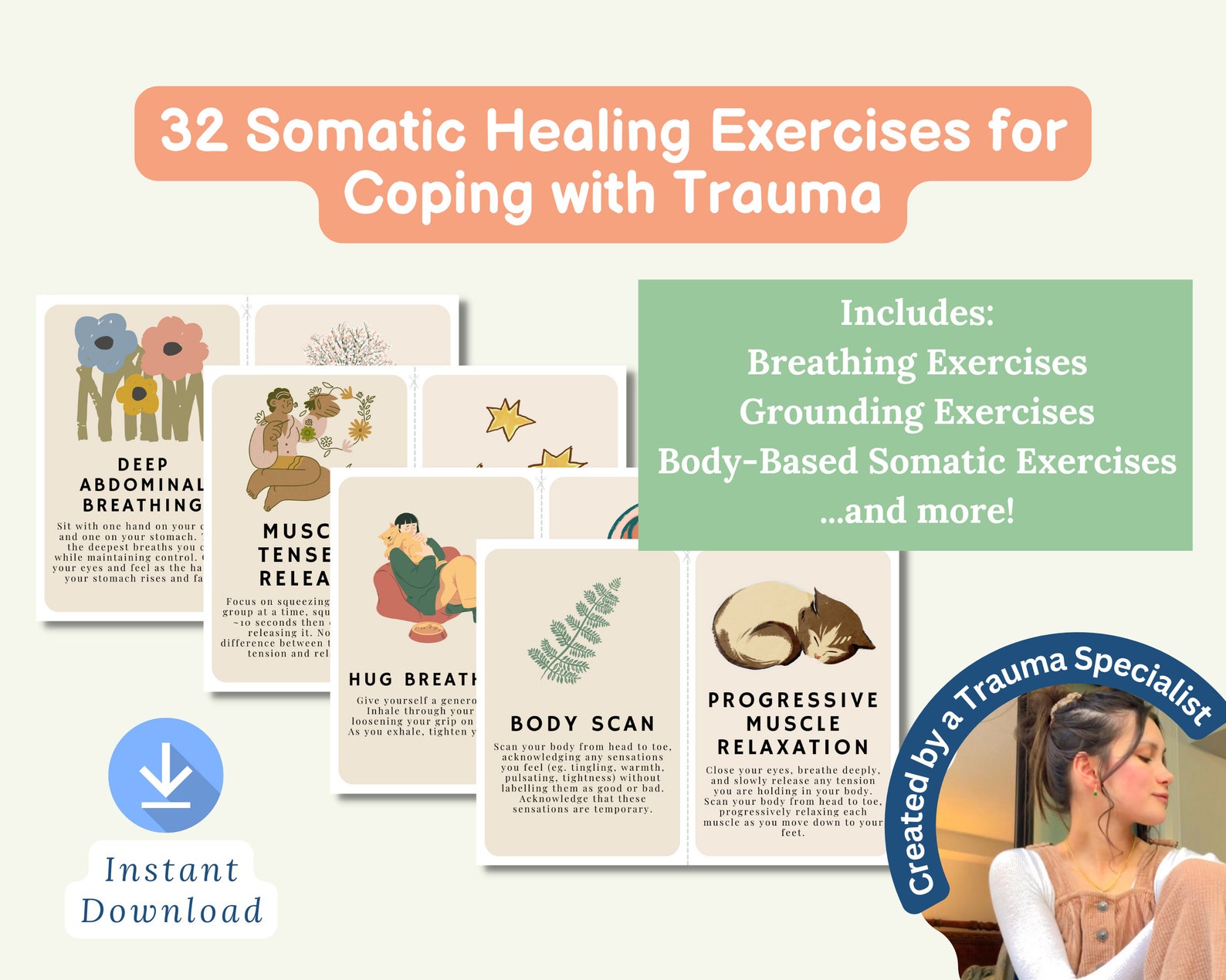
Understanding Somatic Therapy

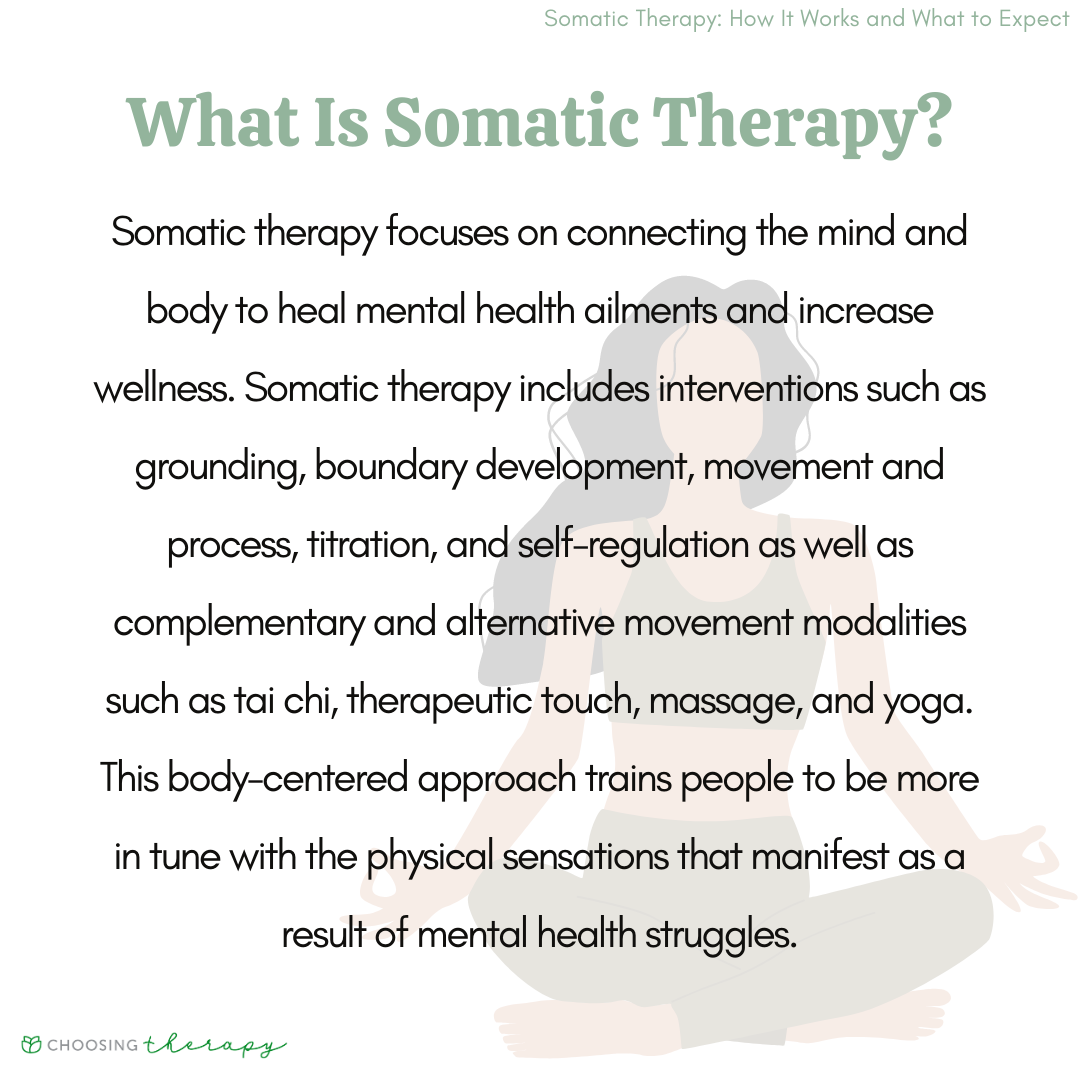
Somatic therapy, often referred to as "somatic experiencing," is a body-focused therapeutic approach that recognizes the profound connection between the mind and body. Unlike conventional therapies that primarily focus on thoughts and emotions, somatic therapy emphasizes the physical sensations and experiences stored in the body. It acknowledges that traumatic memories are not just mental constructs—they can manifest as physical tension, pain, or other bodily responses.
This approach is grounded in the understanding that when we experience stress or trauma, our bodies often hold onto these experiences. This stored energy can lead to chronic tension, anxiety, or even unexplained physical ailments. Somatic therapy aims to access and release these embodied memories, helping individuals achieve emotional clarity and a renewed sense of well-being.
The Neuroscience Behind Somatic Practices

The science behind somatic practices is rooted in the nervous system's response to stress and trauma. When we encounter a threatening situation, our autonomic nervous system (ANS) activates the “fight, flight, or freeze” response. This is a natural survival mechanism, but when the threat is unresolved, the body may remain in a state of heightened arousal, leading to long-term physical and emotional consequences.
Research shows that somatic states—bodily sensations and postures—serve as markers for stored emotional experiences. These states can be triggered by seemingly innocuous events, causing us to react emotionally without fully understanding why. By working with these somatic states, somatic therapy helps individuals recognize and release the emotional charge associated with past traumas.
How Somatic Practices Work

Somatic practices work by helping individuals become more aware of their bodily sensations and how they relate to emotional experiences. Through techniques like mindfulness, breathwork, and gentle movement, clients learn to tune into their bodies and identify patterns of tension or discomfort. This awareness is key to unlocking stored emotions and facilitating healing.
One of the core principles of somatic therapy is the idea of discharging stored energy. This involves releasing the physical tension that accumulates from unresolved trauma. Techniques such as shaking, deep breathing, or guided movement can help the body release this energy safely and effectively. Over time, this process can lead to a greater sense of calm, resilience, and emotional regulation.
Somatic Therapy and Mental Health Conditions
Somatic therapy has shown promise in addressing a wide range of mental health conditions, including PTSD, anxiety, and depression. For individuals with PTSD, the body often remains in a hyper-aroused state, making it difficult to feel safe or grounded. Somatic therapy helps by teaching the body to recognize safety cues and gradually recalibrate its response to stress.
Anxiety, whether general or specific, often manifests physically through symptoms like a racing heart or shallow breathing. Somatic practices focus on building tolerance to these sensations, allowing individuals to navigate anxiety before it escalates. Similarly, depression is often linked to hypoarousal—a state of shutdown or numbness. Somatic therapy can help individuals reconnect with their bodies, restoring a sense of vitality and emotional engagement.
Practical Insights and Real-Life Applications

To truly understand the power of somatic practices, it’s helpful to look at real-life examples. Consider someone who has experienced a traumatic event and now struggles with chronic muscle tension. Traditional therapy might help them process the emotional aspects of the trauma, but somatic therapy would also address the physical manifestations. By focusing on the body’s sensations and guiding the individual through gentle movements, the therapist can help release the stored tension, leading to a more integrated and balanced state.
Another example is someone with anxiety who experiences frequent panic attacks. Somatic therapy could teach them to recognize the early signs of a panic attack through bodily sensations, such as a tight chest or rapid heartbeat. With this awareness, they can use breathwork or grounding techniques to calm their nervous system and prevent the full-blown episode.
Embracing Healing Through the Body

Healing through somatic practices is not just about alleviating symptoms—it’s about reconnecting with the wisdom of the body. By accessing somatic states and releasing stored stress, individuals can reshape their nervous system’s responses, paving the way for lasting emotional resilience. This therapy doesn’t just treat the effects of trauma; it addresses the root causes, helping individuals feel more grounded, present, and empowered.
If you’re ready to move beyond old emotional cycles and experience a renewed sense of calm and connection, somatic therapy could be the first step on that transformative journey. Whether you’re dealing with trauma, anxiety, or simply seeking a deeper understanding of your body-mind connection, somatic practices offer a powerful path to healing.

Post a Comment for "The Power of Somatic Practices in Trauma Healing: A Comprehensive Guide"
Post a Comment