How to Stabilize Blood Sugar Naturally Through Diet: A Comprehensive Guide
Maintaining stable blood sugar levels is essential for overall health, energy, and long-term well-being. Whether you're managing diabetes or simply looking to feel more balanced throughout the day, your diet plays a crucial role in regulating glucose. This article will explore how to stabilize blood sugar naturally through food choices, offering practical strategies, science-backed insights, and actionable tips tailored for everyday use.

The Science Behind Blood Sugar Regulation

Blood sugar, or glucose, is the primary source of energy for your body. When you eat, your digestive system breaks down carbohydrates into glucose, which enters your bloodstream. Insulin, a hormone produced by the pancreas, helps cells absorb this glucose for energy or storage. However, if your body doesn’t produce enough insulin or becomes resistant to it, glucose can build up in the blood, leading to spikes and crashes that affect mood, energy, and long-term health.
Stabilizing blood sugar isn’t just about avoiding sugar—it’s about making smart food choices that support steady energy release. By focusing on nutrient-dense foods, you can help your body maintain consistent glucose levels without relying on medication or extreme diets.
10 Nutrient-Dense Foods to Stabilize Blood Sugar

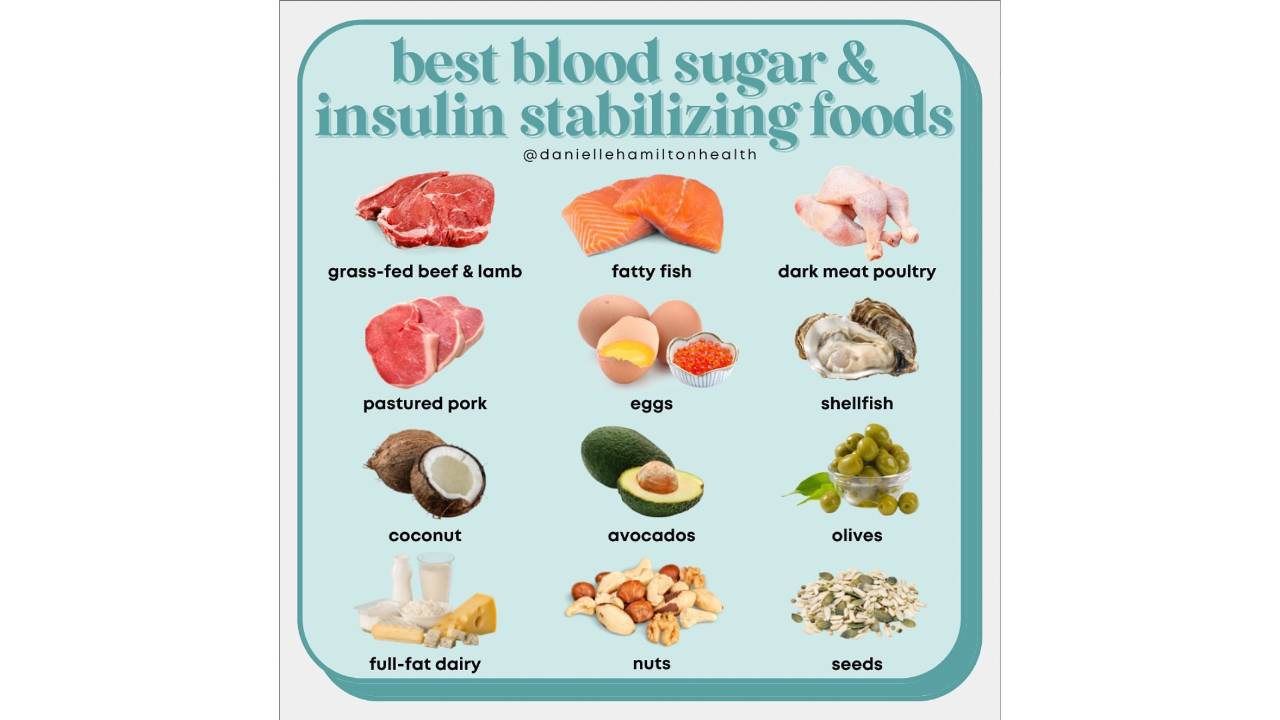
Certain foods are particularly effective at supporting blood sugar balance due to their high fiber, protein, and healthy fat content. These foods slow digestion, reduce glucose absorption, and promote satiety, all of which help prevent spikes and crashes:
- Beans and Lentils: High in fiber and plant-based protein, they help regulate digestion and glucose release.
- Seafood: Rich in omega-3s and protein, seafood supports heart health and improves insulin sensitivity.
- Avocados: Packed with healthy fats and magnesium, avocados help regulate insulin function.
- Greek Yogurt: High in protein and probiotics, Greek yogurt supports gut health and blood sugar control.
- Chia Seeds: Loaded with fiber and antioxidants, chia seeds slow carbohydrate absorption and improve metabolic function.
- Nuts and Seeds: Provide healthy fats, protein, and minerals that stabilize energy levels.
- Oats: Contain beta-glucan, a fiber that slows sugar absorption and prevents rapid spikes.
- Chicken: A lean protein that pairs well with carbs to moderate glucose levels.
- Artichokes: High in fiber and magnesium, artichokes support liver and pancreatic function.
- Leafy Greens: Low in calories but rich in vitamins and minerals, leafy greens help maintain steady glucose levels.
These foods are not only beneficial for blood sugar but also contribute to overall wellness, making them excellent additions to any balanced diet.
Practical Strategies for Natural Blood Sugar Control
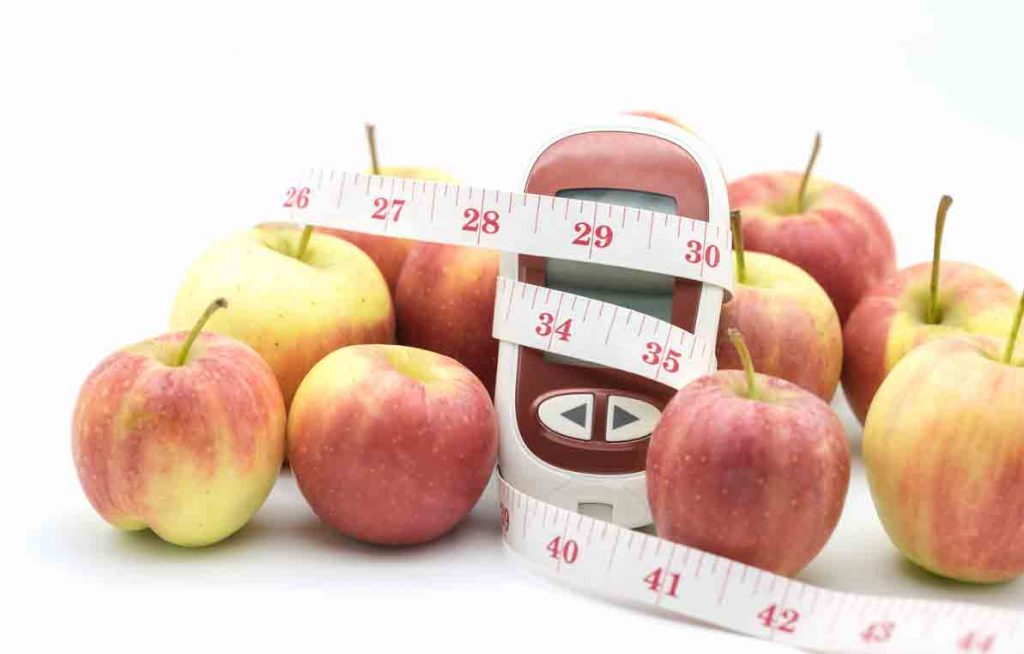
Beyond individual foods, lifestyle choices play a key role in maintaining stable glucose levels. Here are some actionable steps to incorporate into your daily routine:
- Prioritize Whole Foods: Focus on unprocessed, nutrient-rich options like vegetables, whole grains, and lean proteins.
- Pair Carbs with Protein and Fat: Combining carbs with protein or healthy fats (like avocado or nuts) slows digestion and reduces blood sugar spikes.
- Stay Hydrated: Drinking water helps flush out excess glucose and keeps your metabolism running smoothly.
- Exercise Regularly: Physical activity improves insulin sensitivity, helping your body use glucose more efficiently.
- Get Enough Sleep: Poor sleep disrupts hormones that regulate hunger and glucose, increasing the risk of imbalances.
- Monitor Portion Sizes: Overeating, even healthy foods, can lead to glucose fluctuations.
By integrating these habits, you can create a sustainable approach to blood sugar management that works with your body’s natural rhythms.
Foods to Avoid for Better Blood Sugar Balance
While focusing on beneficial foods is important, it’s equally crucial to limit those that can cause spikes and crashes. Here are some items to avoid or minimize:
- Sugary Drinks: Sodas, energy drinks, and fruit juices cause rapid glucose increases.
- Refined Carbs: White bread, pasta, and pastries break down quickly, leading to spikes.
- Fried Foods: High in unhealthy fats and often paired with refined carbs, these can worsen insulin resistance.
- Processed Meats: Sausages, bacon, and deli meats are linked to increased diabetes risk.
- Candy and Baked Goods: High in simple sugars, these foods trigger quick and intense glucose surges.
By reducing your intake of these foods, you give your body a better chance to maintain steady glucose levels and avoid the negative effects of frequent spikes.
The Role of Fiber and Protein in Blood Sugar Management

Fiber and protein are two of the most powerful nutrients for blood sugar control. Here's why:
- Fiber slows the absorption of sugar into the bloodstream, preventing sudden spikes. It also promotes feelings of fullness, reducing overeating.
- Protein helps regulate hunger and supports muscle growth, which enhances insulin sensitivity. Consuming protein with meals can significantly lower post-meal glucose levels.
Including both fiber and protein in every meal creates a balanced approach to nutrition that supports long-term health and energy.
Real-Life Examples and Success Stories

Many people have successfully stabilized their blood sugar through dietary changes. For instance, Sarah, a 45-year-old teacher, noticed she was constantly tired and irritable until she switched to a high-protein, high-fiber diet. By incorporating foods like eggs, chia seeds, and leafy greens, she experienced fewer energy crashes and improved focus. Similarly, James, a 60-year-old retiree, reduced his diabetes medication by adopting a Mediterranean-style diet rich in fish, legumes, and healthy fats.
These stories highlight the power of food as medicine and show that small, consistent changes can lead to significant improvements in blood sugar management.
Final Thoughts
Stabilizing blood sugar naturally through diet is not about deprivation or extreme measures—it’s about making informed choices that support your body’s needs. By focusing on whole, nutrient-dense foods, staying active, and prioritizing sleep, you can achieve lasting balance without relying on supplements or medications. Remember, every meal is an opportunity to nourish your body and take control of your health. With the right tools and mindset, you can enjoy steady energy, improved mood, and long-term well-being.

Post a Comment for "How to Stabilize Blood Sugar Naturally Through Diet: A Comprehensive Guide"
Post a Comment