How to Master Endurance Building Zone 2 Workouts for Long-Term Fitness
Zone 2 training has become a cornerstone of endurance fitness, offering a scientifically backed approach to building long-term cardiovascular health and metabolic efficiency. Whether you're an elite athlete or a beginner looking to improve your fitness, understanding and mastering Zone 2 workouts can transform your training routine. This article will guide you through the fundamentals of Zone 2 training, its benefits, and how to implement it effectively in your workouts.
Understanding Zone 2 Training

Zone 2 refers to a specific heart rate range where your body operates at 60-70% of your maximum heart rate (MHR). This intensity level is often described as "conversational pace" — an effort level where you can comfortably hold a conversation without gasping for breath. At this intensity, your body primarily uses fat as fuel, which helps build aerobic capacity and improves your ability to sustain prolonged activity.
The heart rate zones are structured as follows:
- Zone 1: 50-60% MHR – Active recovery
- Zone 2: 60-70% MHR – Endurance base
- Zone 3: 70-80% MHR – Tempo
- Zone 4: 80-90% MHR – Threshold
- Zone 5: Above 90% MHR – Maximum effort
Zone 2 forms the foundation of endurance training programs. It’s ideal for developing aerobic fitness, enhancing fat metabolism, and building the cellular machinery needed for peak performance.
The Science Behind Zone 2 Training

Zone 2 training is not just about maintaining a steady pace — it's about creating optimal conditions for your body to adapt and improve. When you train in Zone 2, your body clears lactate efficiently, minimizing fatigue and allowing for longer training sessions. This makes it ideal for building aerobic capacity and cardiovascular health over time.
One of the key physiological adaptations from Zone 2 training is increased mitochondrial production in muscle cells. These tiny powerhouses become more efficient at using oxygen, improving your body's energy production systems. Over time, consistent Zone 2 training leads to better fat oxidation rates and enhanced endurance performance.
Additionally, Zone 2 workouts promote metabolic flexibility, allowing your body to switch between different fuel sources more efficiently. This is especially beneficial for long-distance athletes and individuals looking to improve their overall fitness.
How to Know You're Doing Zone 2 Right

To ensure you're training in the correct Zone 2 range, using a heart rate monitor is the most accurate method. This device provides real-time data on your heart rate, helping you stay within the 60-70% MHR range throughout your workout.
If you don't have a heart rate monitor, the "talk test" can serve as a basic indicator. During Zone 2 exercise, you should be able to maintain a casual conversation without gasping for air. While less precise than heart rate data, this method helps approximate your effort level.
It's important to note that relying solely on perceived exertion can be misleading. Many athletes tend to push harder than intended when training by feel alone. A heart rate monitor ensures objective data, keeping your effort level steady and preventing you from drifting into higher zones.
Common Mistakes and Challenges in Zone 2 Training

Despite its simplicity, Zone 2 training is often misunderstood or misapplied. One common mistake is training at intensities above Zone 2 without realizing it. This happens when runners pick up their pace gradually during a session, moving beyond the intended 60-70% heart rate range.
Another challenge is the tendency to drift above Zone 2 without noticing. Slight increases in effort can push heart rate into higher zones, changing the stress profile of the workout without obvious warning signs. Using heart rate as a guide helps avoid both extremes by keeping intensity intentional rather than accidental.
It's also important to remember that Zone 2 is not a replacement for other types of training. While it builds a strong aerobic base, incorporating targeted sessions in other zones supports overall athletic development. A structured approach leads to better adaptations and reduces the risk of overtraining.
Maximizing Your Zone 2 Sessions

To get the most out of your Zone 2 workouts, consistency and gradual progression are key. Start with shorter sessions and add time gradually. Begin with 30-minute sessions and add 5-10 minutes weekly. Track your heart rate throughout to confirm you're hitting the right intensity level for maximum aerobic development.
Mixing different activities like cycling, swimming, or rowing into your Zone 2 training can reduce repetitive stress on muscles and joints while maintaining cardiovascular benefits. Many athletes alternate between running and cycling for their Zone 2 work.
For runners, a practical approach involves slowing down running pace to stay within the 60-70% heart rate range. Many runners find success by completing 80% of their weekly mileage at Zone 2 intensity. This method builds aerobic efficiency while reducing injury risk.
Scientific Insights and Research on Zone 2 Effectiveness
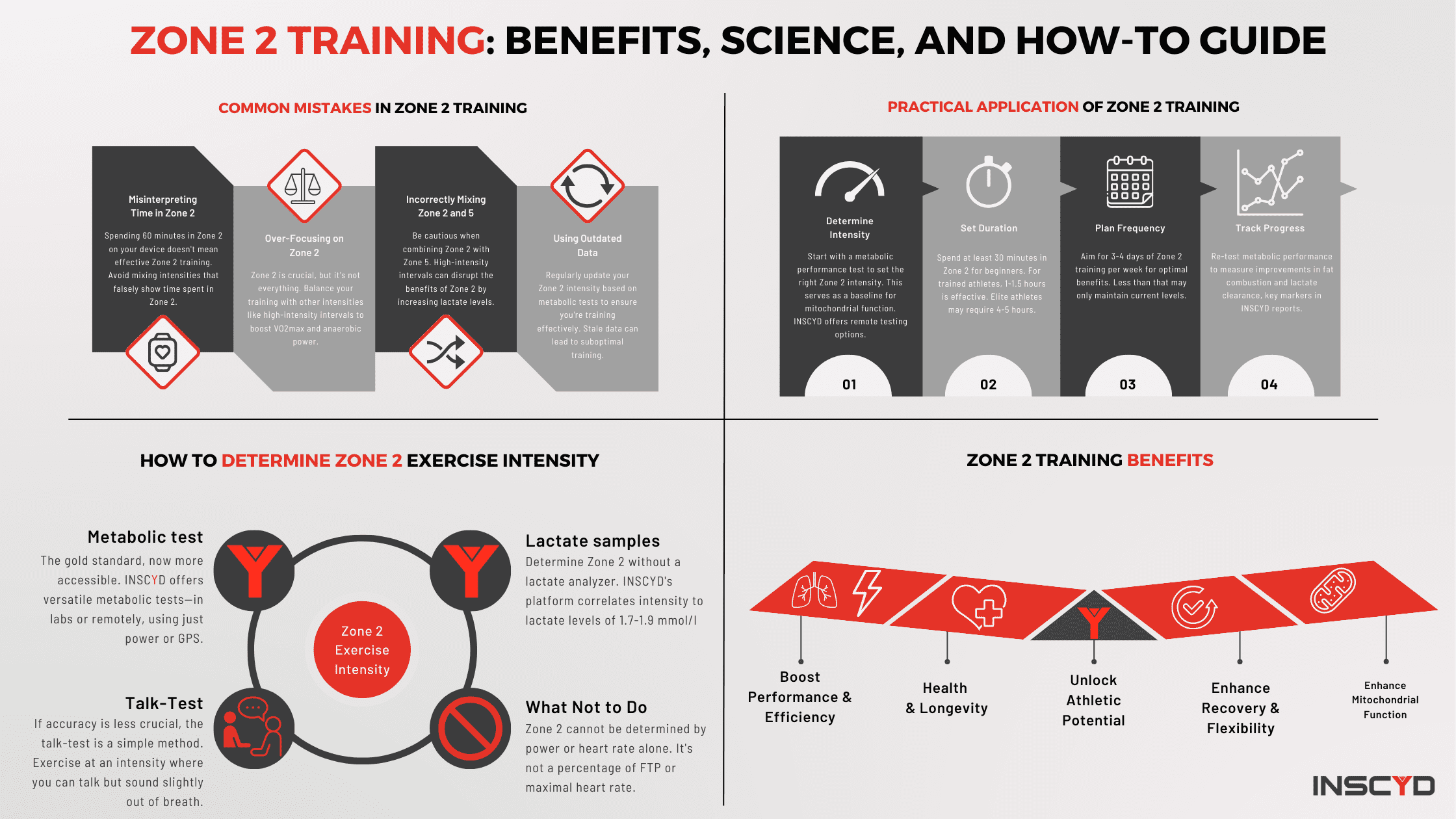
Research shows that Zone 2 training creates specific adaptations in the body. Studies point to increased mitochondrial function as a primary benefit, leading to better oxygen use during exercise. Training methods and adaptations show improved fat oxidation rates and enhanced endurance performance.
Compared to higher-intensity zones, Zone 2 allows for longer training sessions with lower stress on the body. While Zones 3-5 target different performance aspects, Zone 2 builds the aerobic base needed for athletic development.
Data indicates that maintaining this moderate intensity produces sustainable fitness gains without the recovery demands of harder efforts. Exercise scientists note that both competitive athletes and health-focused individuals benefit from regular Zone 2 sessions.
Tailoring Zone 2 for Different Fitness Levels

Beginners should start with shorter Zone 2 sessions, typically 20-30 minutes, focusing on maintaining steady heart rate control. These shorter workouts allow new athletes to build consistency while adapting to aerobic training.
Advanced athletes often perform longer Zone 2 sessions, sometimes lasting 2-3 hours, while keeping the same heart rate parameters. Runners benefit from performing most of their base mileage in Zone 2. A practical approach involves slowing down running pace to stay within the 60-70% heart rate range.
For optimal results, runners should monitor heart rate throughout their sessions, adjusting pace as needed to maintain Zone 2 intensity. This measured approach supports long-term development while preventing overtraining.
Key Takeaways for Zone 2 Success

Zone 2 training represents the sweet spot for developing aerobic fitness and metabolic efficiency. By maintaining a steady 60-70% of maximum heart rate, athletes can build a robust foundation for higher-intensity work while minimizing the risk of overtraining and injury.
The key to success lies in consistency and proper intensity control. Whether you're a competitive athlete or fitness enthusiast, incorporating regular Zone 2 sessions into your training routine can lead to sustainable improvements in endurance, fat metabolism, and overall cardiovascular health.
Final Thoughts
Zone 2 training is a powerful tool for building long-term endurance and improving overall fitness. It's not about how fast you start or how hard you push — it's about building a solid foundation that will serve you for years to come. With the right approach, discipline, and consistency, you can master Zone 2 workouts and unlock new levels of performance and health. Start your journey today, and watch as your endurance, health, and performance transform.

Post a Comment for "How to Master Endurance Building Zone 2 Workouts for Long-Term Fitness"
Post a Comment