How to Incorporate Neuroplasticity Exercises into Your Daily Routine
If you’ve ever wondered how your brain can adapt and change throughout life, you’re not alone. The concept of neuroplasticity—the brain’s ability to reorganize itself by forming new neural connections—has revolutionized our understanding of cognitive health. While it might sound like something reserved for scientists or athletes, the truth is that neuroplasticity exercises can be seamlessly integrated into your daily routine. Whether you're looking to boost memory, improve focus, or simply feel more mentally agile, these practices offer a powerful way to reshape your brain.
In this article, we’ll explore practical strategies to incorporate neuroplasticity exercises into your everyday life. You’ll learn how small, consistent actions can lead to significant improvements in brain function, and discover why novelty, physical activity, and mindfulness are key players in this process. Let’s dive in.
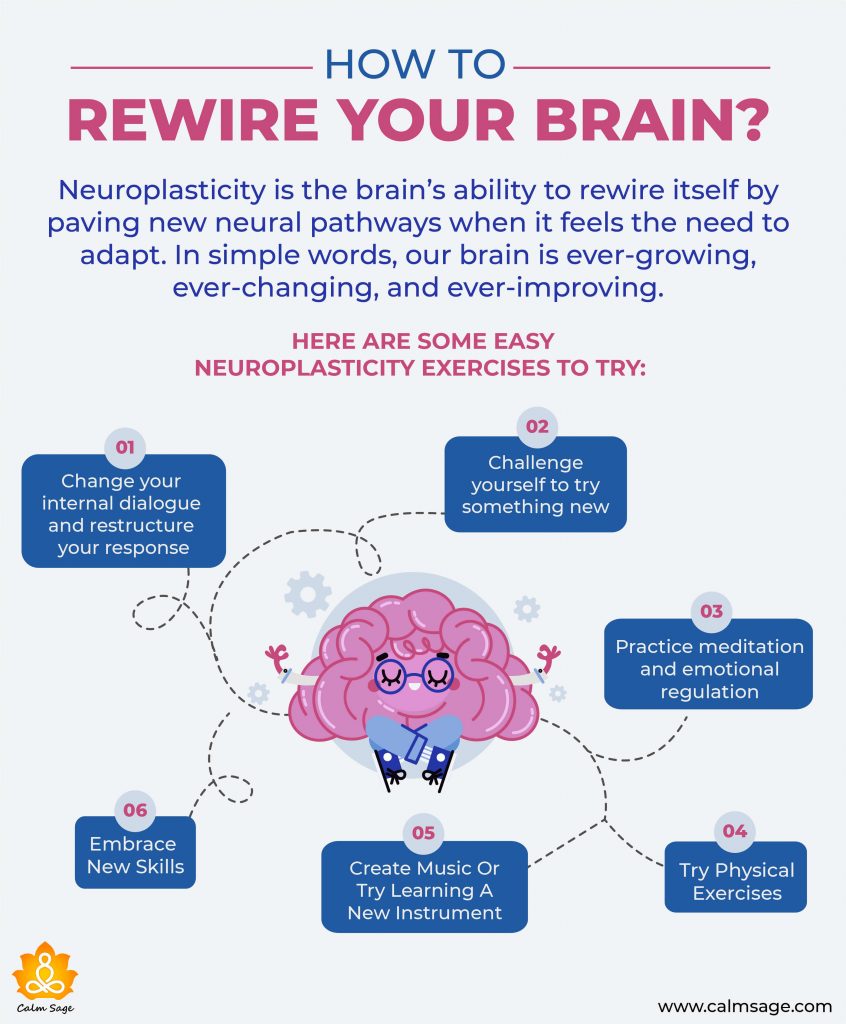
Understanding Neuroplasticity and Its Benefits

Neuroplasticity is the brain’s remarkable ability to adapt and rewire itself in response to experiences, learning, and environmental changes. This means that even as adults, we have the power to strengthen neural pathways, create new ones, and enhance cognitive functions like memory, attention, and problem-solving. The science behind neuroplasticity shows that the brain is far more malleable than once believed.
The benefits of neuroplasticity are vast. It helps us recover from injuries, adapt to new challenges, and even improve mental health. For example, research has shown that individuals who engage in regular brain-boosting activities may experience slower cognitive decline as they age. Plus, neuroplasticity plays a crucial role in learning new skills, managing stress, and improving emotional regulation.
9 Simple Neuroplasticity Exercises to Try
Here are nine effective exercises that can help you harness the power of neuroplasticity:
-
Learn a New Language
Immersing yourself in a new language challenges your brain to process unfamiliar sounds, grammar rules, and vocabulary. Studies show that bilingual individuals often have enhanced cognitive flexibility and better memory retention. Even basic language learning apps can provide a mental workout. -
Engage in Brain Games
Activities like Sudoku, crosswords, and memory puzzles stimulate specific cognitive functions such as attention and problem-solving. Regular engagement with these games can strengthen neural connections in relevant brain regions. -
Practice a Musical Instrument
Playing an instrument requires coordination between auditory processing, motor skills, and memory. Musicians often have increased gray matter volume and stronger neural connections in music-related areas of the brain. -
Juggle or Do Balance Exercises
Physical activities that require coordination, such as juggling or balancing on one leg, challenge the brain to learn new motor skills. These exercises have been shown to increase gray matter volume in visual and motor areas of the brain. -
Use Your Non-Dominant Hand
Performing simple tasks like brushing your teeth or writing with your non-dominant hand forces your brain to work harder and form new neural pathways. Over time, this can improve dexterity and mental agility. -
Solve Puzzles and Memory Tasks
Puzzles and memory games challenge your brain to retrieve information and think critically. These activities can help strengthen neural connections in areas related to memory and cognitive function. -
Practice Mindfulness and Meditation
Mindfulness and meditation practices involve focusing your attention on the present moment. These techniques have been shown to increase gray matter volume in areas associated with attention, emotion regulation, and self-awareness. -
Intermittent Fasting
Emerging research suggests that intermittent fasting may promote neuroplasticity by increasing the production of brain-derived neurotrophic factor (BDNF), a protein that supports the growth and survival of neurons. -
Prioritize Sleep
Quality sleep is essential for brain health and neuroplasticity. During sleep, the brain consolidates memories, clears toxins, and repairs itself. Aim for 7–8 hours of restful sleep each night to support optimal brain function.
[IMAGE: neuroplasticity exercises daily routine]
Why Novelty Matters for Brain Rewiring
One of the most important principles of neuroplasticity is the role of novelty. When you expose your brain to new experiences, it has to work harder to process and adapt to them. This increased activity stimulates the release of neurotransmitters like dopamine, which enhances learning and memory. Novelty also promotes the growth of new dendrites, the branching extensions of neurons that receive signals from other neurons.
For example, learning a new language or instrument involves a steep learning curve, which is precisely when the brain is most active in forming new connections. Continued exposure and practice further solidify these new pathways, leading to enhanced cognitive abilities. This is why variety and challenge are so important in maintaining a healthy, adaptable brain.
[IMAGE: daily neuroplasticity routine]
Practical Tips for Incorporating Neuroplasticity Exercises
Now that you understand the science behind neuroplasticity, here are some actionable tips to help you integrate these exercises into your daily routine:
- Start Small: Begin with just 10–15 minutes a day of any neuroplasticity exercise. Consistency is more important than intensity.
- Mix It Up: Vary your activities to keep your brain engaged. Try different brain games, languages, or physical exercises to maintain interest and challenge.
- Create a Schedule: Set aside specific times during the day for your neuroplasticity exercises. Whether it's first thing in the morning or before bed, having a routine makes it easier to stick with.
- Track Your Progress: Keep a journal or use an app to track your progress. Seeing improvements over time can be a great motivator.
- Stay Patient: Neuroplasticity takes time. Don’t get discouraged if you don’t see results immediately. The brain is constantly adapting, and the benefits will accumulate over time.
[IMAGE: neuroplasticity exercises daily routine]
Final Thoughts
Incorporating neuroplasticity exercises into your daily routine doesn’t have to be complicated or time-consuming. By making small, consistent changes, you can significantly improve your cognitive function, mental clarity, and overall well-being. From learning a new language to practicing mindfulness, there are countless ways to stimulate your brain and unlock its full potential.
Remember, your brain is capable of remarkable change. With the right habits and mindset, you can shape your thinking, enhance your skills, and live a more mentally vibrant life. So take the first step today—your brain will thank you.

Post a Comment for "How to Incorporate Neuroplasticity Exercises into Your Daily Routine"
Post a Comment