How to Improve Your Vagal Tone for Better Health and Stress Management
In today’s fast-paced world, stress has become a common part of life. While it's normal to feel anxious or overwhelmed at times, chronic stress can have serious consequences on both your mental and physical health. One of the most overlooked players in this complex system is the vagus nerve. This critical component of the nervous system plays a key role in regulating your body's response to stress, digestion, heart rate, and even emotional well-being. Understanding how to improve your vagal tone can be a game-changer for your overall health.
Vagal tone refers to the strength and efficiency of the vagus nerve’s ability to regulate the parasympathetic nervous system—the “rest and digest” mode of the body. A high vagal tone means your body can recover more quickly from stress, while a low vagal tone can lead to chronic anxiety, digestive issues, and even mood disorders. Fortunately, there are several practical ways to boost your vagal tone, and the benefits extend far beyond just stress management.
In this article, we’ll explore what the vagus nerve is, why it matters, and most importantly, how you can improve your vagal tone through lifestyle changes, breathing techniques, and other science-backed practices.

What Is the Vagus Nerve?
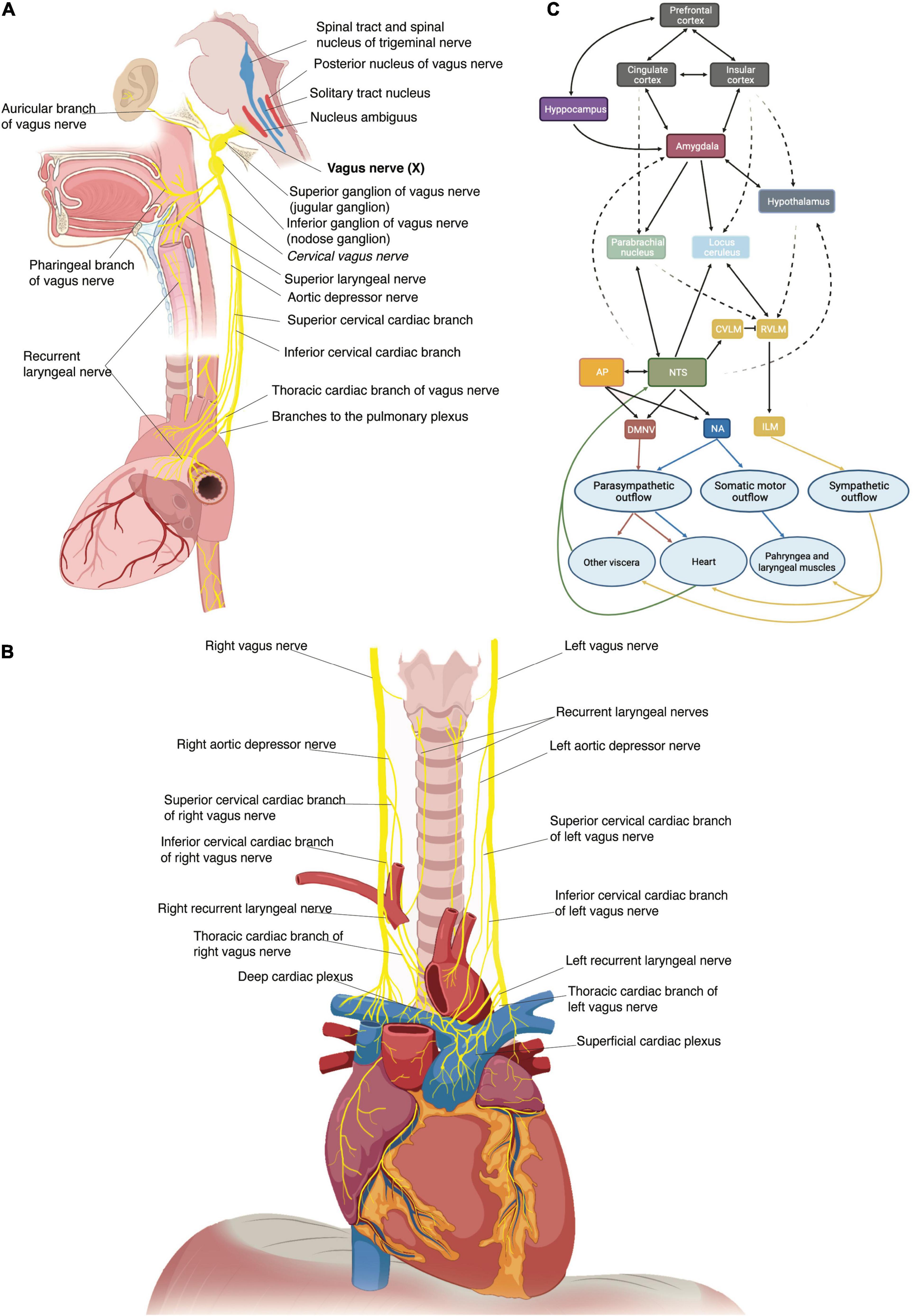
The vagus nerve is one of the 12 cranial nerves that connect the brain to various parts of the body. It’s often referred to as the "wanderer" because it extends from the brainstem down through the neck, chest, and into the abdomen, connecting with major organs such as the heart, lungs, stomach, and intestines.
This nerve serves as a crucial communication highway between the brain and the body, playing a central role in the autonomic nervous system. The autonomic nervous system controls involuntary functions like heart rate, digestion, and breathing. It’s divided into two main branches: the sympathetic nervous system (responsible for the “fight or flight” response) and the parasympathetic nervous system (responsible for the “rest and digest” state). The vagus nerve is the primary driver of the parasympathetic system, helping the body return to a calm, balanced state after stress.
Why Vagal Tone Matters

Vagal tone is a measure of how effectively the vagus nerve can regulate the body’s internal environment. A strong vagal tone allows for quicker recovery from stress, better emotional regulation, and improved digestion. Conversely, low vagal tone is associated with a range of health issues, including anxiety, depression, chronic inflammation, and even cardiovascular problems.
One of the key indicators of vagal tone is heart rate variability (HRV)—the variation in time between heartbeats. Higher HRV is linked to better vagal tone and greater resilience to stress. When the vagus nerve is functioning well, it helps slow the heart rate and promote relaxation. However, when vagal tone is low, the body may remain in a heightened state of arousal, leading to long-term health consequences.
Practical Ways to Improve Vagal Tone
Improving your vagal tone doesn’t require drastic changes—small, consistent habits can make a big difference. Here are some effective strategies backed by science:
1. Practice Deep Breathing Techniques
Breathing exercises are among the most effective ways to stimulate the vagus nerve. Diaphragmatic breathing, also known as belly breathing, involves taking slow, deep breaths that engage the diaphragm rather than shallow chest breathing. This type of breathing activates the parasympathetic nervous system, promoting relaxation and reducing stress.
A simple technique is the 4-7-8 breathing method: inhale for four seconds, hold the breath for seven seconds, and exhale for eight seconds. Repeating this cycle several times can help regulate your nervous system and improve vagal tone over time.
2. Incorporate Yoga and Meditation
Yoga and meditation are powerful tools for enhancing vagal tone. These practices combine physical movement with focused breathing, which helps activate the parasympathetic nervous system. Certain yoga poses, such as forward folds and twists, can directly stimulate the vagus nerve, promoting relaxation and emotional balance.
Meditation, especially mindfulness-based practices, also supports vagal tone by encouraging present-moment awareness and reducing stress. Regular meditation can lead to long-term improvements in emotional regulation and overall well-being.
3. Engage in Regular Physical Activity
Exercise is another effective way to improve vagal tone. Activities like walking, swimming, or cycling increase blood flow and oxygen to the brain, supporting the vagus nerve’s function. Even moderate exercise, such as a daily walk, can have a positive impact on your nervous system.
High-intensity workouts may also be beneficial, but it's important to listen to your body and avoid overexertion. Consistency is key, so find an activity you enjoy and stick with it.
4. Practice Humming or Singing
Humming or singing creates vibrations that stimulate the vagus nerve, particularly when done with a low, sustained pitch. This technique can be especially helpful during moments of stress or anxiety. You can try humming for a few minutes each day or join a group singing session to enhance the calming effects.
5. Use Cold Exposure
Cold exposure, such as splashing cold water on your face or taking a cold shower, can trigger the diving reflex—a natural response that slows the heart rate and activates the vagus nerve. This technique is particularly useful for immediate stress relief and can be incorporated into your daily routine.
6. Prioritize Sleep and Relaxation

Quality sleep is essential for maintaining a healthy vagal tone. During sleep, the body repairs itself and regulates the nervous system. Establishing a consistent sleep schedule, avoiding screens before bed, and creating a relaxing bedtime routine can all contribute to better vagal function.
Additionally, activities like massage or aromatherapy can help reduce stress and support the vagus nerve’s ability to promote relaxation.
7. Eat a Balanced Diet
Diet plays a significant role in vagal tone. Consuming foods rich in omega-3 fatty acids, probiotics, and antioxidants can support the health of the vagus nerve. Foods like salmon, flaxseeds, and fermented products such as yogurt and kefir can promote gut health, which is closely linked to the vagus nerve.
Avoiding extreme diets and excessive sugar intake can also help maintain optimal vagal function. A balanced, whole-foods diet provides the nutrients needed for the nervous system to function at its best.
Conclusion
Improving your vagal tone is a powerful way to enhance your overall health and well-being. By understanding the role of the vagus nerve and implementing simple, science-backed practices, you can take control of your stress levels, improve digestion, and foster emotional resilience. Whether through breathing exercises, yoga, or dietary changes, the path to better vagal tone is accessible to everyone.
Remember, small, consistent efforts can lead to significant improvements over time. Start with one or two techniques that resonate with you, and gradually build a routine that supports your nervous system. With patience and persistence, you’ll not only strengthen your vagal tone but also cultivate a more balanced, healthy life.
Post a Comment for "How to Improve Your Vagal Tone for Better Health and Stress Management"
Post a Comment