How to Create a Personalized Gut Health Nutrition Plan for Optimal Wellness
In an era where one-size-fits-all dietary advice often falls short, the concept of personalized gut health nutrition is gaining momentum. This approach recognizes that each individual’s gut microbiome is unique, shaped by genetics, lifestyle, and environmental factors. By tailoring nutrition plans to these specific needs, individuals can achieve better digestive health, improved cognitive function, and overall wellness. In this article, we’ll explore how to create a personalized gut health nutrition plan that works for you.
The Importance of Personalized Nutrition
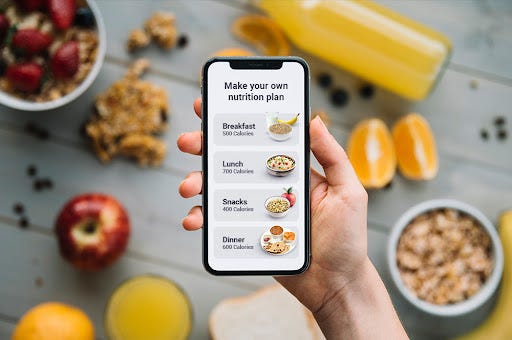
The human gut is home to trillions of microorganisms, collectively known as the gut microbiome. This complex ecosystem plays a crucial role in digestion, immune function, and even mental health. However, what works for one person may not work for another. For example, someone with a sensitive gut might react negatively to high-fiber foods, while another person might thrive on them. This variability underscores the need for a personalized approach to nutrition.
Recent research has shown that diet is one of the most powerful ways to influence the gut microbiome. By understanding your unique microbial composition, you can make informed choices about the foods that support your gut health. This tailored approach can help alleviate symptoms such as bloating, fatigue, and brain fog, which are often linked to poor gut health.
Understanding Your Gut Microbiome
To create a personalized gut health nutrition plan, it's essential to understand your gut microbiome. Functional testing can provide valuable insights into your microbial diversity, nutrient status, and potential food sensitivities. Tests like the Vibrant Wellness Gut Zoomer and Food Sensitivity Test Complete can identify specific bacteria, parasites, and inflammatory drivers that may be affecting your health.
For instance, if you have low levels of beneficial bacteria like Akkermansia muciniphila or Faecalibacterium prausnitzii, your plan might include prebiotic-rich foods to support their growth. Similarly, if you have food sensitivities, eliminating reactive foods can reduce inflammation and improve gut function.
Key Components of a Personalized Plan
Creating a personalized gut health nutrition plan involves several key components:
- Functional Testing: Start with tests that assess your gut microbiome, nutrient levels, and food sensitivities. These tests provide a baseline for your current health status.
- Dietary Adjustments: Based on test results, adjust your diet to include foods that support your gut microbiome. This may involve increasing fiber intake, incorporating probiotic-rich foods, or eliminating trigger foods.
- Supplement Recommendations: Depending on your needs, supplements such as probiotics, digestive enzymes, or targeted vitamins may be recommended to address specific deficiencies or imbalances.
- Lifestyle Factors: Consider other factors that impact gut health, such as stress, sleep, and physical activity. A holistic approach that includes these elements can enhance the effectiveness of your nutrition plan.
Real-World Applications
Real-world examples illustrate the effectiveness of personalized gut health nutrition. For instance, a case study involving a client with chronic bloating and fatigue revealed that their high-fiber diet was actually feeding harmful bacteria, leading to inflammation. By eliminating reactive foods and incorporating resistant starches, their symptoms improved significantly.
Another example involved a client with PCOS who struggled with hormonal imbalances and gut dysfunction. Through functional testing, it was discovered that their gut microbiome was imbalanced, contributing to hormonal issues. By addressing these imbalances with targeted dietary changes and supplements, their symptoms improved, and their menstrual cycles became more regular.
These cases highlight the importance of testing and personalization in achieving optimal gut health. By understanding your unique needs, you can create a plan that addresses the root causes of your symptoms rather than just managing them.
The Role of Technology
Modern technology is making personalized nutrition more accessible and precise. Smartphone apps can track symptoms, food intake, and bowel movements, helping identify patterns that might not be obvious otherwise. Wearable devices that monitor sleep quality, stress levels, and physical activity add another dimension to personalization. These tools can provide valuable insights for fine-tuning your nutrition plan over time.
Artificial intelligence is also being used to analyze complex relationships between diet, symptoms, and biomarker data. These sophisticated tools can identify subtle patterns that human analysis might miss, leading to more precise dietary recommendations.
Benefits Beyond Symptom Management
Personalized nutrition plans often provide benefits that extend far beyond managing specific gastrointestinal symptoms. Many patients report improved energy levels, better sleep quality, enhanced mood stability, and even clearer skin once their digestive health improves. This whole-body improvement reflects the interconnected nature of gut health with overall wellness.
Long-term adherence to dietary changes typically improves dramatically when recommendations feel personally relevant and produce noticeable results. Generic diets often feel restrictive and arbitrary, making them difficult to maintain over time. Personalized plans, however, help people understand the specific reasoning behind each recommendation, creating stronger motivation for lasting lifestyle changes.
Implementation and Monitoring
Successfully implementing a personalized nutrition plan requires ongoing monitoring and adjustments. Your digestive system continues to evolve based on factors like aging, stress, illness, and medication changes. Regular check-ins with your healthcare provider ensure that your plan adapts to these changes and continues meeting your needs effectively.
The initial phases of personalized plans often involve careful symptom tracking and gradual dietary modifications. This methodical approach helps identify which changes provide the most benefit while minimizing unnecessary restrictions. Many people discover they can enjoy a much more varied diet than they initially expected once they understand their specific triggers and optimal foods.
Looking Toward the Future
The field of personalized nutrition continues advancing rapidly, with new research constantly refining our understanding of gut health and individual dietary needs. Future developments may include even more sophisticated testing methods, real-time digestive monitoring devices, and AI-powered meal planning systems that adapt daily based on your body’s changing needs.
If you’re struggling with gastrointestinal symptoms that haven’t responded well to conventional dietary approaches, personalized nutrition planning might offer the breakthrough you’ve been seeking. By working with healthcare providers who stay current with the latest developments in digestive health, you can develop a customized plan that addresses your unique needs.

Post a Comment for "How to Create a Personalized Gut Health Nutrition Plan for Optimal Wellness"
Post a Comment