How to Create a Personalized Anti-Inflammatory Meal Plan for Long-Term Health
In today’s fast-paced world, where chronic illnesses are on the rise, taking control of your health through diet has never been more important. One powerful way to support your body is by adopting a personalized anti-inflammatory meal plan. This approach focuses on nourishing your body with foods that reduce inflammation, which is a key driver of many long-term health issues, from heart disease to arthritis and even cognitive decline.
Creating an anti-inflammatory meal plan isn’t just about avoiding certain foods—it’s about building a sustainable, balanced lifestyle that supports your overall well-being. Whether you’re looking to manage a specific condition or simply improve your energy and longevity, this guide will walk you through the essentials of crafting a meal plan tailored to your unique needs.
Understanding Inflammation and Its Impact on Health

Inflammation is a natural response your body uses to fight off infections and heal injuries. However, when it becomes chronic—lasting for months or years—it can lead to serious health problems. Chronic inflammation has been linked to conditions like:
- Heart disease
- Diabetes
- Arthritis
- Neurodegenerative diseases (e.g., Alzheimer’s)
- Autoimmune disorders
The good news is that what you eat plays a significant role in either fueling or calming this process. By choosing the right foods, you can help reduce inflammation and protect your body from these long-term risks.
Key Principles of an Anti-Inflammatory Diet

A well-designed anti-inflammatory meal plan should focus on whole, unprocessed foods that are rich in antioxidants, healthy fats, and fiber. Here are the core principles to follow:
1. Prioritize Plant-Based Foods
Fruits, vegetables, legumes, nuts, and seeds are packed with antioxidants and phytonutrients that combat inflammation. Aim for a colorful plate—each color represents different beneficial compounds.
2. Include Healthy Fats
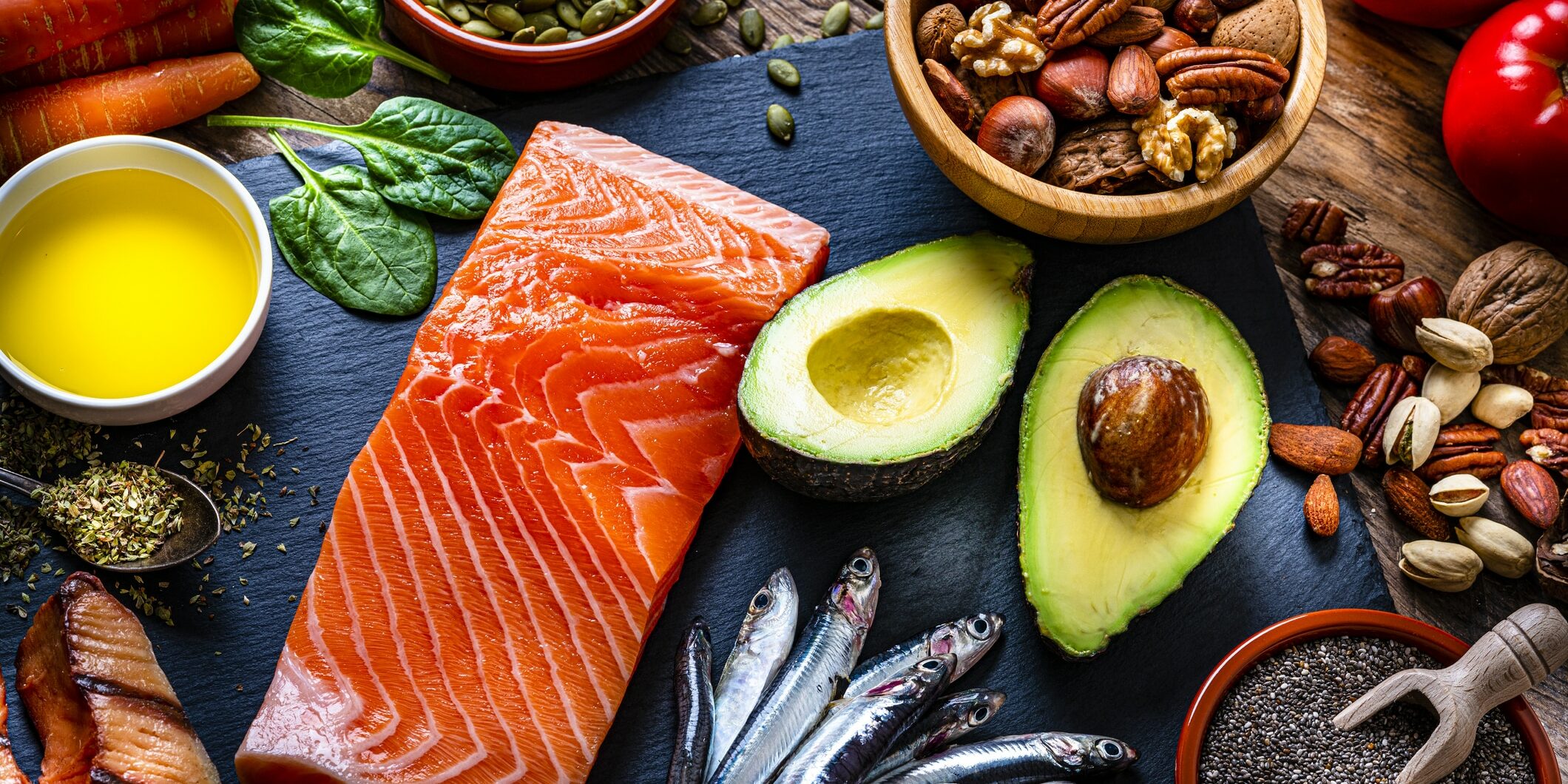
Omega-3 fatty acids found in fatty fish (like salmon and sardines), flaxseeds, chia seeds, and walnuts are essential for reducing inflammation. Olive oil and avocados also provide heart-healthy monounsaturated fats.
3. Limit Processed and Refined Foods
Foods high in added sugars, trans fats, and refined carbohydrates (like white bread, pastries, and sugary drinks) can trigger inflammation. Try to minimize these as much as possible.
4. Incorporate Anti-Inflammatory Spices
Herbs and spices like turmeric, ginger, garlic, and cinnamon not only add flavor but also offer potent anti-inflammatory properties.
5. Stay Hydrated
Drinking enough water helps flush out toxins and keeps your body functioning optimally. Aim for at least 8 cups per day, and consider herbal teas for added benefits.
How to Start Building Your Personalized Plan

Creating a personalized anti-inflammatory meal plan doesn’t have to be overwhelming. Start with small, manageable changes that align with your lifestyle and preferences. Here are some practical steps to get started:
1. Assess Your Current Diet
Take stock of what you’re eating now. Identify any patterns that might be contributing to inflammation, such as frequent consumption of processed snacks or sugary beverages.
2. Set Realistic Goals
Whether it’s adding more vegetables to your meals, swapping refined grains for whole grains, or incorporating a daily serving of fatty fish, set achievable goals that fit your schedule and tastes.
3. Plan Balanced Meals
Use the “plate method” to ensure each meal includes a variety of nutrients: - 50% non-starchy vegetables - 25% lean protein - 25% whole grains or starchy vegetables
This balance helps regulate blood sugar and keeps inflammation at bay.
4. Experiment with New Recipes
Try incorporating new anti-inflammatory ingredients into your cooking. For example, swap butter for olive oil, or replace sugary snacks with a mix of nuts and dried fruit.
5. Track Your Progress
Keep a food journal to monitor how different foods affect your energy levels, digestion, and overall well-being. This can help you fine-tune your plan over time.
Sample Anti-Inflammatory Meal Ideas

Here are some delicious and nutritious meal ideas to inspire your own personalized plan:
Breakfast
- Chia seed pudding with berries and almonds
- Oatmeal topped with fresh fruit and a sprinkle of flaxseeds
- Smoothie with spinach, frozen mango, ginger, and unsweetened almond milk
Lunch
- Quinoa bowl with roasted vegetables and chickpeas
- Tuna sandwich on whole-grain bread with lettuce, tomatoes, and avocado
- Lettuce wraps filled with smoked trout, cucumbers, and herbs
Dinner
- Baked salmon with sweet potato and garlic broccoli
- Stir-fried tofu with brown rice and a medley of colorful vegetables
- Turmeric-roasted cauliflower steaks served with white beans and tomatoes
Snacks
- Dark chocolate (70% or higher) with a handful of almonds
- Mixed berries with a dollop of low-fat yogurt
- Roasted chickpeas seasoned with turmeric and paprika
Tailoring Your Plan to Specific Needs

Every person’s body is different, so your anti-inflammatory meal plan should reflect your individual health goals and dietary preferences. Consider the following:
1. Managing Chronic Conditions
If you have arthritis, diabetes, or autoimmune disorders, you may need to adjust your intake of certain foods. For example, people with IBS may benefit from low-FODMAP foods, while those with gastritis may find ginger and probiotics helpful.
2. Dietary Restrictions
Whether you follow a vegan, gluten-free, or keto diet, there are plenty of anti-inflammatory options available. For example, a gluten-free plan might include quinoa, brown rice, and legumes, while a vegan plan could emphasize leafy greens, nuts, and plant-based proteins.
3. Lifestyle Factors
Your activity level, sleep quality, and stress management all play a role in inflammation. A personalized plan should take these factors into account, encouraging habits that support overall wellness.
Challenges and Tips for Long-Term Success
While starting an anti-inflammatory meal plan is a great step, maintaining it long-term requires commitment and flexibility. Here are some tips to help you stay on track:
- Be patient: It takes time for your body to adjust to new eating habits.
- Stay flexible: Don’t be too rigid—allow yourself occasional treats to avoid burnout.
- Seek support: Join a community or work with a registered dietitian to stay motivated and informed.
- Celebrate progress: Recognize and reward yourself for small victories, like sticking to your plan for a week.
Conclusion
Creating a personalized anti-inflammatory meal plan is one of the most effective ways to support your long-term health. By focusing on whole, nutrient-dense foods and making mindful choices, you can reduce inflammation, boost your energy, and lower your risk of chronic diseases. Remember, the goal isn’t perfection—it’s progress. With consistency and a little creativity, you can build a lifestyle that nourishes your body and mind for years to come.

Post a Comment for "How to Create a Personalized Anti-Inflammatory Meal Plan for Long-Term Health"
Post a Comment