How to Create an Effective Workout Schedule for Cycle Syncing: A Complete Guide
If you’ve ever felt like your energy levels are all over the place, you’re not alone. Many women experience fluctuations in their energy, mood, and even strength throughout their menstrual cycle. These changes are influenced by hormonal shifts, and they can significantly impact how you feel during workouts. That’s where cycle syncing comes in—aligning your exercise routine with your menstrual cycle to optimize performance, recovery, and overall well-being.
Cycle syncing isn’t just about working out when you feel good; it’s about understanding your body’s natural rhythms and using that knowledge to create a more effective, sustainable fitness plan. Whether you're a seasoned athlete or just starting out, this guide will help you design a workout schedule that works with your body, not against it.
Understanding the Phases of Your Menstrual Cycle
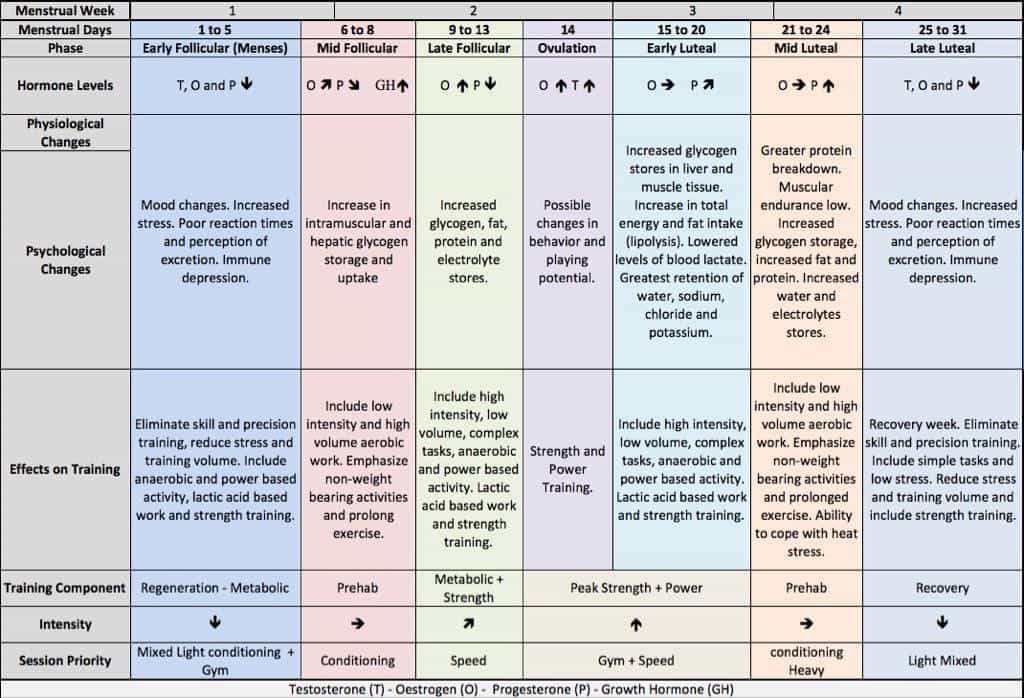
Before diving into workout planning, it's essential to understand the four phases of the menstrual cycle and how they affect your energy, strength, and recovery:
- Menstrual Phase (Days 1–5)
- Hormonal Changes: Estrogen and progesterone levels are at their lowest.
- Energy Levels: Typically low, with potential fatigue and discomfort.
-
Best Workouts: Gentle movement, restorative yoga, walking, and light stretching.
-
Follicular Phase (Days 6–14)
- Hormonal Changes: Estrogen rises, leading to increased energy and motivation.
- Energy Levels: Higher than the menstrual phase, ideal for building strength.
-
Best Workouts: Cardio, strength training, and high-intensity interval training (HIIT).
-
Ovulation Phase (Days 15–17)
- Hormonal Changes: Estrogen peaks, testosterone increases, and energy is at its highest.
- Energy Levels: Peak, making it a great time for intense workouts.
-
Best Workouts: High-intensity workouts, weightlifting, and competitive sports.
-
Luteal Phase (Days 18–28)
- Hormonal Changes: Progesterone rises, and estrogen drops.
- Energy Levels: Starts high but declines as PMS symptoms may appear.
- Best Workouts: Low-impact exercises, Pilates, and gentle yoga.
Why Cycle Syncing Works
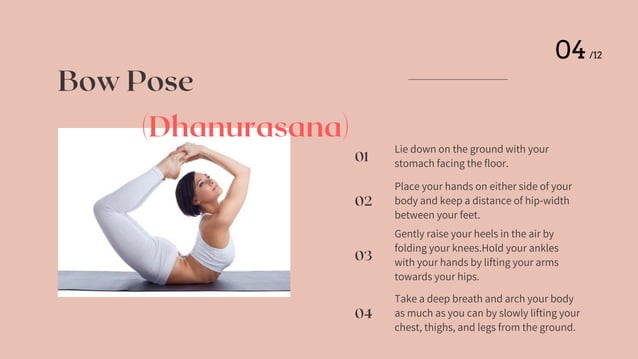
Cycle syncing is more than just a trend—it’s a science-backed approach to fitness that aligns your workouts with your body’s natural rhythms. Here’s why it matters:
- Improved Performance: Exercising during high-energy phases can lead to better results, whether you're lifting heavier weights or pushing through a tough cardio session.
- Enhanced Recovery: By adjusting intensity based on your cycle, you give your body time to recover, reducing the risk of injury.
- Mood Stability: Hormonal fluctuations can affect your mood, and syncing your workouts with your cycle can help manage stress and anxiety.
- Increased Enjoyment: When you work out when your body is ready, you’re more likely to stick with your routine and enjoy the process.
Creating a Cycle-Synced Workout Plan
Now that you understand the phases, let’s break down how to structure your workouts for each stage of your cycle.
Menstrual Phase (Days 1–5): Focus on Rest and Recovery
During your period, your body needs rest. This is the time to prioritize gentle, low-impact movements that support your body rather than push it.
- Workout Ideas:
- Yoga: Try restorative poses like Child’s Pose, Reclining Bound Angle, and Supine Spinal Twist.
- Walking: A 15–30 minute walk can boost circulation and reduce cramps.
- Pilates: Light core work like the Hundred or Pelvic Curl can improve posture and relieve tension.
- Stretching: Incorporate deep breathing and guided imagery to relax and ease discomfort.
Follicular Phase (Days 6–14): Build Strength and Endurance

As estrogen rises, so does your energy. This is the perfect time to focus on building strength, improving endurance, and trying new activities.
- Workout Ideas:
- Cardio: Running, cycling, or swimming to boost cardiovascular health.
- Strength Training: Compound lifts like squats, deadlifts, and bench presses.
- HIIT: Short bursts of high-intensity intervals for maximum calorie burn.
- Group Classes: Zumba, kickboxing, or dance classes for fun and social interaction.
Ovulation Phase (Days 15–17): Maximize Energy and Performance

This is your peak energy phase. Use it to push yourself harder and achieve personal milestones.
- Workout Ideas:
- HIIT: Burpees, sprints, or circuit training for a full-body challenge.
- Weight Lifting: Focus on heavy compound movements and explosive lifts.
- Sports: Play soccer, basketball, or volleyball to channel your competitive spirit.
- Cycling or Running: Take advantage of your stamina to go longer or faster.
Luteal Phase (Days 18–28): Prioritize Recovery and Mindfulness
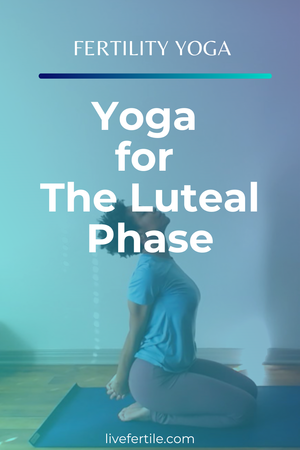
As progesterone rises, your energy may dip, and PMS symptoms may appear. This is the time to slow down and focus on recovery.
- Workout Ideas:
- Gentle Yoga: Poses like Legs Up the Wall or Savasana for relaxation.
- Pilates: Core stability exercises like modified planks or leg circles.
- Walking: A brisk walk to stay active without overexertion.
- Light Resistance Training: Use lighter weights for bodyweight exercises like squats or rows.
Tips for Successful Cycle Syncing

To make the most of your cycle-synced workouts, consider these practical tips:
- Track Your Cycle: Use a calendar or app to monitor your cycle and identify patterns.
- Listen to Your Body: Adjust your workouts based on how you feel. If you're tired, take a break or do something lighter.
- Stay Hydrated: Drink plenty of water, especially during high-intensity workouts.
- Fuel Your Body: Eat nutrient-dense foods that match your energy needs during each phase.
- Incorporate Recovery: Don’t skip rest days. Recovery is just as important as exercise.
Final Thoughts

Cycle syncing is a powerful way to align your fitness routine with your body’s natural rhythms. By understanding your menstrual cycle and adjusting your workouts accordingly, you can improve performance, reduce injury risk, and enhance overall well-being. Whether you're looking to build strength, boost endurance, or simply feel better in your own skin, a cycle-synced workout plan can help you achieve your goals in a way that feels sustainable and enjoyable.
Start by tracking your cycle and experimenting with different workouts during each phase. Over time, you’ll begin to notice what works best for you—and how your body responds to different types of movement. Remember, there’s no one-size-fits-all approach to cycle syncing. The key is to listen to your body and create a plan that supports your unique needs and lifestyle.

Post a Comment for "How to Create an Effective Workout Schedule for Cycle Syncing: A Complete Guide"
Post a Comment