How to Boost Gut Bacteria Diversity for Better Health
Your gut is more than just a digestive organ—it's a complex ecosystem that plays a crucial role in your overall health. The trillions of microorganisms living in your intestines, collectively known as the gut microbiome, influence everything from digestion and immunity to mood and metabolism. A diverse gut microbiome is essential for maintaining balance, resilience, and long-term wellness. But in today’s fast-paced, processed-food-heavy world, many people are experiencing a decline in microbial diversity, which can lead to a host of health issues.
If you're looking to improve your gut health and support a thriving microbiome, you're not alone. This article will guide you through practical, science-backed strategies to boost gut bacteria diversity naturally. Whether you're dealing with digestive discomfort, fatigue, or simply want to take a proactive approach to your health, these tips can help you create a stronger, more balanced gut environment.

Understanding the Gut Microbiome
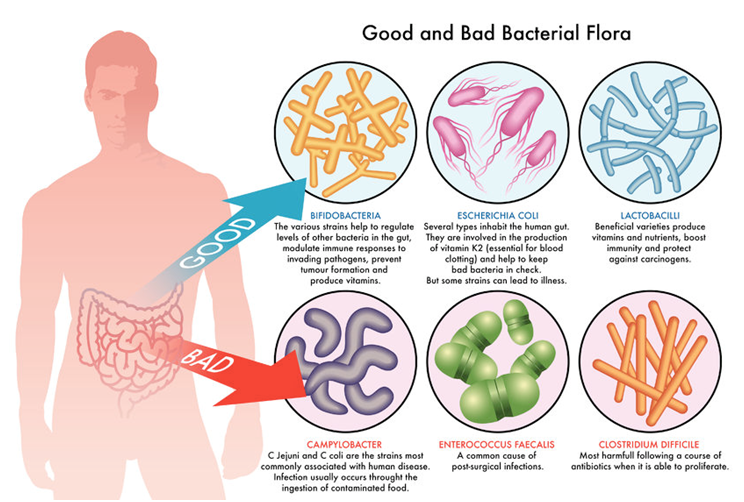
The gut microbiome refers to the vast community of microorganisms—bacteria, fungi, viruses, and more—that live in your digestive tract. These microbes work together to break down food, produce essential nutrients, regulate immune function, and even influence brain health through the gut-brain axis. A healthy gut microbiome is characterized by high diversity, meaning it contains a wide range of beneficial bacterial species.
However, modern lifestyles often disrupt this delicate balance. Factors like poor diet, stress, lack of sleep, and the overuse of antibiotics can all lead to a reduction in microbial diversity. When this happens, harmful bacteria may proliferate, leading to inflammation, digestive issues, and an increased risk of chronic diseases.
Signs of Low Gut Bacteria Diversity

A lack of microbial diversity can manifest in various ways. Common symptoms include:
- Gas, bloating, and irregular bowel movements
- Frequent infections
- Skin issues like eczema or acne
- Unexplained weight gain
- Mood swings and brain fog
- Chronic fatigue
- Nutrient deficiencies
Research has also linked low gut diversity to conditions such as inflammatory bowel disease (IBD), type 2 diabetes, and even mental health disorders like depression and anxiety. If you’re experiencing any of these symptoms, it may be worth exploring ways to enhance your gut microbiome.
Key Gut Bacteria Strains

While there are thousands of bacterial species in the gut, some are particularly important for health. Here are a few key strains:
- Lactobacillus: Supports digestion, strengthens the gut lining, and helps prevent harmful bacteria.
- Bifidobacterium: Promotes regular bowel movements and supports immune function.
- Saccharomyces boulardii: A probiotic yeast that aids in restoring gut balance after antibiotic use.
These bacteria thrive on a diet rich in fiber and fermented foods, making them a valuable target for improving gut health.
What Destroys Gut Bacteria Diversity?

Several factors can harm your gut microbiome:
- Antibiotics: While necessary for fighting infections, they can wipe out both harmful and beneficial bacteria.
- Processed Foods: High in sugar, artificial additives, and low in fiber, these foods feed bad bacteria and starve good ones.
- Chronic Stress: Increases cortisol levels, which can disrupt gut function and microbial balance.
- Poor Sleep: Lack of rest affects hormone regulation and microbial diversity.
- Environmental Toxins: Exposure to pesticides and herbicides, such as glyphosate, can reduce beneficial bacteria.
Understanding these threats is the first step in protecting and rebuilding your gut microbiome.
5 Ways to Boost Gut Bacteria Diversity

Improving gut health doesn’t require drastic changes. Here are five effective, science-backed strategies to increase microbial diversity:
1. Eat Prebiotic and Probiotic-Rich Foods
Prebiotics are non-digestible fibers that feed beneficial bacteria, while probiotics are live bacteria that can colonize the gut. Include foods like:
- Prebiotics: Garlic, onions, asparagus, bananas, and whole grains.
- Probiotics: Yogurt, kefir, sauerkraut, kimchi, miso, and kombucha.
These foods provide the fuel and live cultures needed to support a healthy gut.
2. Follow a Nutrient-Dense, Low-Carb Diet
Diets high in processed sugars and refined carbs can promote harmful bacteria. Instead, focus on whole foods like leafy greens, lean proteins, healthy fats, and legumes. A low-carb diet, such as the Healthy Keto® approach, can help reduce inflammation and support a balanced microbiome.
3. Practice Intermittent Fasting

Intermittent fasting allows the gut to rest and repair, giving beneficial bacteria time to flourish. Studies suggest that this practice can increase microbial diversity and reduce inflammation.
4. Prioritize Quality Sleep
Sleep is essential for gut health. Aim for 7–9 hours of restful sleep each night. Poor sleep can disrupt hormonal balance and weaken immune function, both of which affect the microbiome.
5. Stay Active
Regular physical activity, even moderate exercise like walking or yoga, can boost microbial diversity. Movement also reduces stress, improves digestion, and enhances overall well-being.
Final Thoughts
Boosting gut bacteria diversity is one of the most powerful steps you can take for long-term health. By making small, sustainable changes to your diet, lifestyle, and habits, you can create a thriving microbiome that supports digestion, immunity, and mental clarity.
Remember, the gut is a dynamic ecosystem, and nurturing it requires consistent effort. With the right approach, you can transform your health from the inside out. Start today, and watch your body respond with renewed vitality and resilience.

Post a Comment for "How to Boost Gut Bacteria Diversity for Better Health"
Post a Comment