How to Balance Gut Bacteria Naturally: A Complete Guide
Your gut is more than just an organ for digestion—it's a complex ecosystem that plays a crucial role in your overall health. The trillions of microorganisms living in your digestive tract, collectively known as the gut microbiome, influence everything from your immune system to your mood. When this delicate balance is disrupted, it can lead to a range of issues, from digestive discomfort to chronic inflammation and even mental health challenges. Fortunately, there are natural ways to restore harmony to your gut flora without relying on synthetic medications or drastic interventions.
This guide explores science-backed, holistic strategies to help you naturally balance your gut bacteria, improve digestion, and support long-term wellness.
Understanding the Gut Microbiome
The gut microbiome consists of bacteria, fungi, viruses, and other microbes that live in your digestive tract. These microorganisms work together to break down food, produce essential nutrients, and regulate immune function. A healthy microbiome is diverse and balanced, with beneficial bacteria outnumbering harmful ones.
However, modern lifestyles—such as poor diet, stress, and antibiotic overuse—can throw this balance off. When the microbiome becomes imbalanced, it can lead to conditions like irritable bowel syndrome (IBS), leaky gut syndrome, and even autoimmune disorders. The good news is that you have the power to influence your gut health through lifestyle choices.
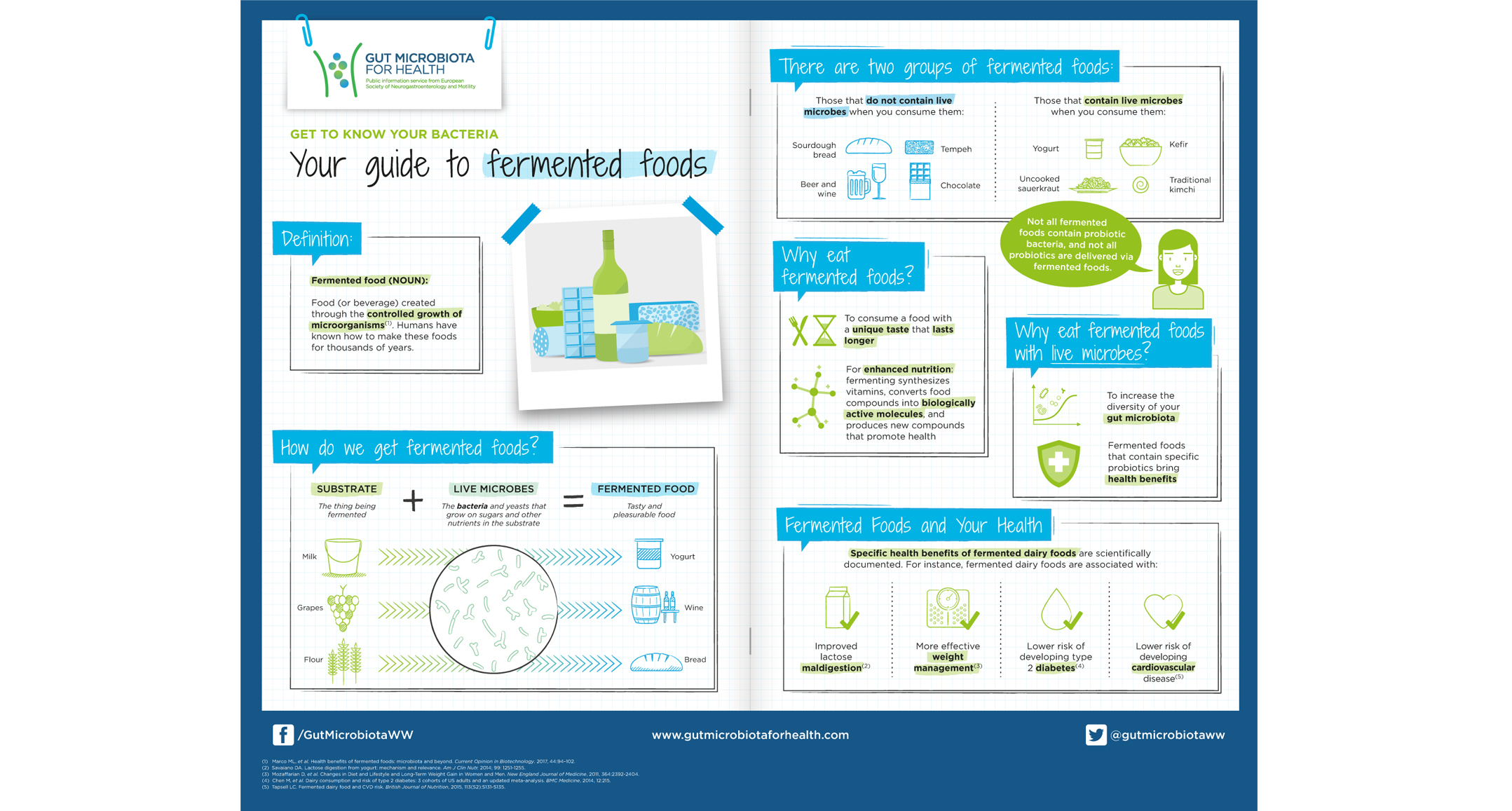
1. Eat Fermented Foods Daily
Fermented foods are some of the best natural sources of probiotics—beneficial bacteria that help populate and maintain a healthy gut microbiome. These foods include:
- Yogurt (with live cultures)
- Kefir
- Kimchi
- Sauerkraut
- Miso
- Kombucha
These foods not only introduce live bacteria into your gut but also contain enzymes that aid digestion. Regular consumption can enhance microbial diversity and reduce inflammation.
2. Increase Fiber Intake
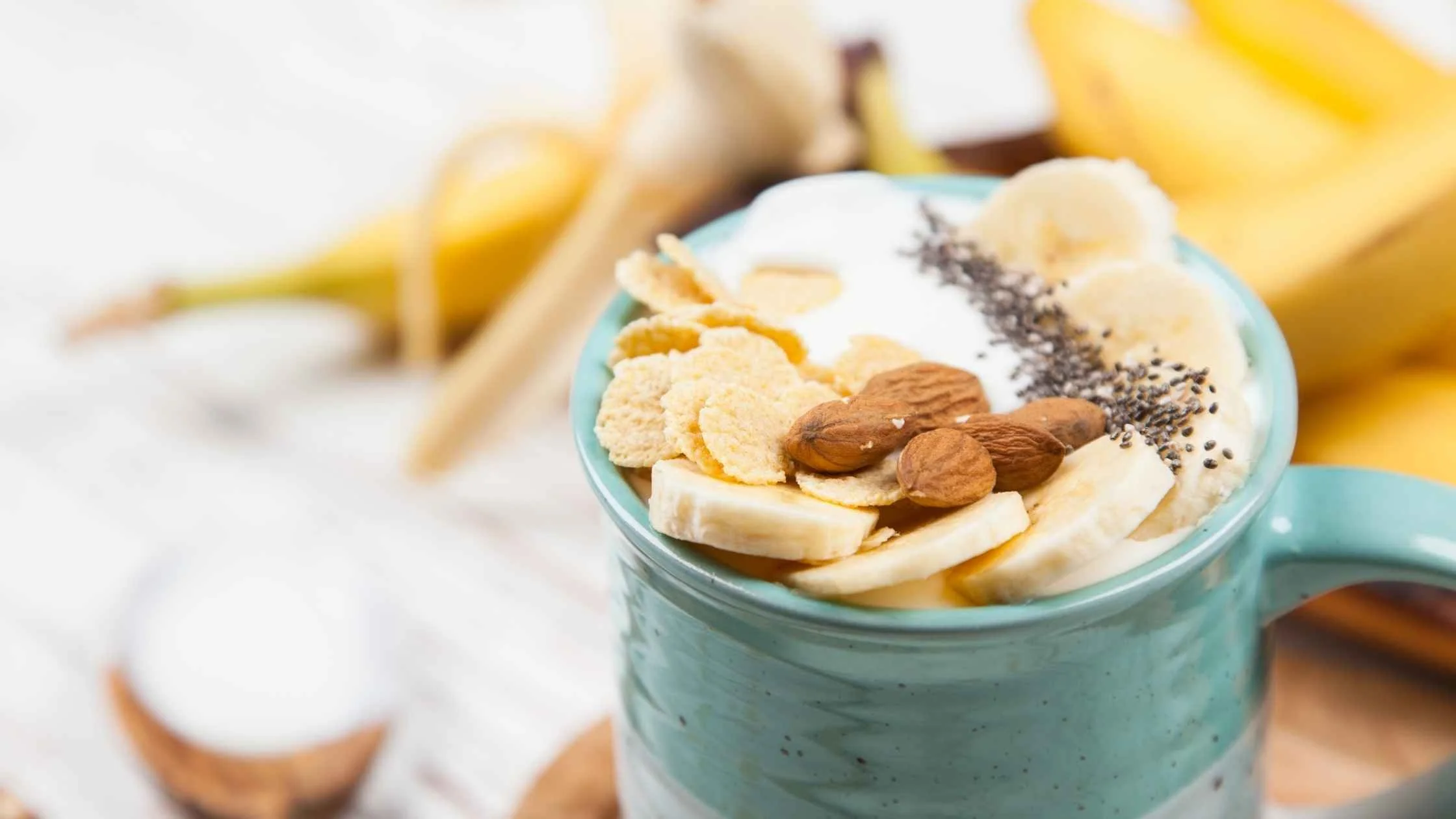
Dietary fiber acts as a prebiotic, feeding the good bacteria in your gut. Aim to eat a variety of high-fiber plant-based foods such as:
- Whole grains (oats, quinoa, brown rice)
- Legumes (lentils, chickpeas, black beans)
- Fruits (apples, bananas, berries)
- Vegetables (broccoli, carrots, asparagus)
Aim for at least 25–30 grams of fiber per day. Studies show that higher fiber intake is linked to a more diverse microbiome and better digestive health.
3. Incorporate Prebiotics

Prebiotics are non-digestible fibers that serve as food for beneficial gut bacteria. They are found in:
- Garlic
- Onions
- Leeks
- Bananas
- Chicory root
- Jerusalem artichokes
Including these foods in your meals can help nourish the good bacteria in your gut, promoting a healthier microbiome.
4. Stay Hydrated

Water is essential for maintaining a healthy digestive system. It helps soften stool, supports nutrient absorption, and keeps the gut lining hydrated. Aim to drink at least 8 cups of water daily, and increase your intake if you're physically active or live in a hot climate.
5. Manage Stress Effectively

Stress has a direct impact on gut health. Chronic stress can disrupt the gut-brain axis, leading to digestive issues like bloating, constipation, and diarrhea. Techniques such as meditation, deep breathing, and yoga can help reduce stress and support a balanced microbiome.
6. Prioritize Sleep

Quality sleep is vital for gut health. During sleep, the body repairs tissues and regulates hormones that affect digestion. Lack of sleep can lead to increased inflammation and an imbalance in gut bacteria. Aim for 7–9 hours of sleep each night to support optimal gut function.
7. Avoid Unnecessary Antibiotics

While antibiotics are necessary for treating bacterial infections, overuse can harm the gut microbiome by killing both harmful and beneficial bacteria. If possible, use antibiotics only when prescribed and consider taking a probiotic supplement during and after treatment to help restore balance.
8. Limit Processed and Sugary Foods

Processed foods, refined sugars, and artificial additives can feed harmful bacteria and disrupt the gut microbiome. Try to minimize your intake of:
- Sugary snacks
- Sodas
- Fast food
- Artificial sweeteners
Instead, focus on whole, unprocessed foods that support a healthy gut environment.
9. Exercise Regularly

Physical activity promotes gut motility and encourages the growth of beneficial bacteria. Even moderate exercise, like walking or cycling, can improve digestion and support a balanced microbiome. Aim for at least 30 minutes of movement most days of the week.
10. Consider Herbal Remedies

Certain herbs have been used for centuries to support gut health. Examples include:
- Licorice root (in deglycyrrhizinated form to avoid blood pressure issues)
- Slippery elm
- Ginger
- Peppermint
These herbs can soothe the digestive tract, reduce inflammation, and promote healing.
Conclusion: Embrace a Holistic Approach
Balancing gut bacteria naturally is not about quick fixes—it’s about making consistent, informed choices that support long-term wellness. By incorporating fermented foods, fiber-rich plants, stress management techniques, and healthy lifestyle habits, you can create a thriving gut environment that benefits your entire body.
Remember, your gut is a powerful indicator of your overall health. By nurturing it with care and intention, you’re investing in a stronger, more resilient you. Start small, stay consistent, and watch how your body responds to these natural, science-backed strategies.

Post a Comment for "How to Balance Gut Bacteria Naturally: A Complete Guide"
Post a Comment