How to Avoid Plastic in Your Food: Practical Tips for a Healthier Lifestyle
In today’s world, plastic is everywhere — from the grocery store to your kitchen counter. But what if you could reduce your exposure to harmful microplastics and make healthier choices without sacrificing convenience? The good news is that it’s possible. By making small but meaningful changes in how you shop, cook, and store food, you can significantly cut down on plastic in your diet. This article will guide you through practical steps to avoid plastic in your food, helping you create a safer, more sustainable lifestyle.
Understand the Problem: Microplastics in Our Food

Microplastics — tiny particles of plastic less than 5mm in size — are now found in nearly every corner of our environment. They’ve been detected in tap water, seafood, and even the air we breathe. But one of the most concerning places they show up is in the food we eat. Studies have shown that microplastics can leach into food during cooking, especially when using plastic cookware or containers. These particles can then be ingested, potentially affecting our health in ways we’re only beginning to understand.
The issue isn’t just about aesthetics; it’s about safety. Microplastics may contain toxic chemicals that can disrupt hormones and cause long-term health problems. While more research is needed, the evidence is growing that reducing our exposure to these particles is a smart move for anyone concerned about their well-being.
Choose the Right Cookware and Utensils
One of the easiest ways to avoid plastic in your food is to switch out your plastic cookware and utensils for safer alternatives. Plastic pots, pans, and spatulas can release microplastics when heated, especially at high temperatures. Opt for stainless steel, cast iron, or ceramic-coated cookware instead. These materials are not only more durable but also don’t leach harmful substances into your food.
For utensils, choose wooden or silicone options over plastic. Wooden spoons and spatulas are natural, non-toxic, and won’t break down into microplastics. Silicone tools are another great choice, as they’re heat-resistant and long-lasting.
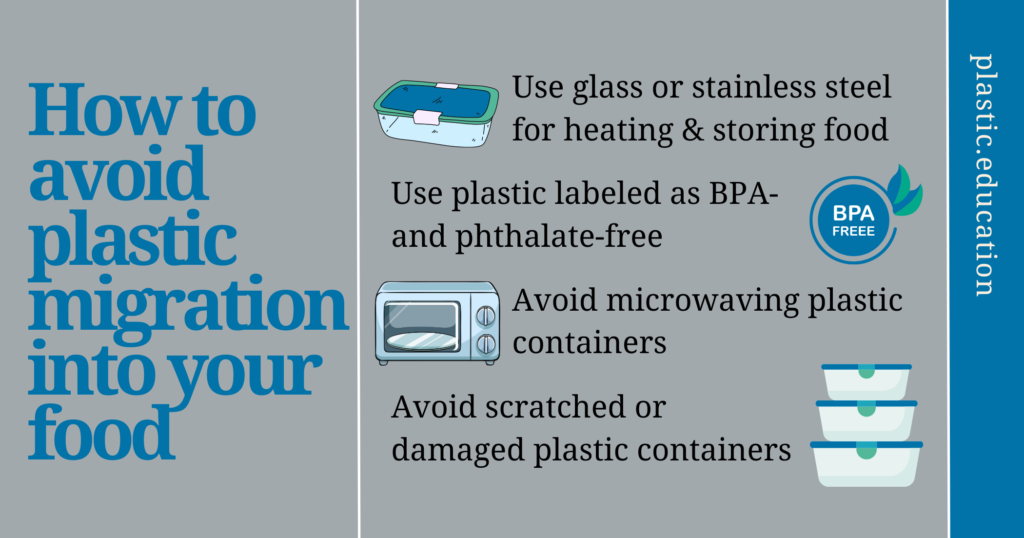
Tips for choosing safe cookware: - Avoid scratched or worn plastic containers, as they can release more microplastics. - Use glass or ceramic containers for storing food in the fridge or freezer. - Invest in a set of high-quality stainless steel or cast iron cookware that lasts for years.
Ditch Single-Use Plastics in the Kitchen

Single-use plastics like ziplock bags, plastic wrap, and disposable plates are convenient but contribute heavily to environmental waste and microplastic contamination. Instead, consider reusable alternatives that can be used again and again.
- Glass or stainless steel containers are excellent for storing leftovers and meal prepping. They’re easy to clean and don’t leach chemicals.
- Silicone food storage bags are a great alternative to plastic ziplock bags. They’re flexible, durable, and can withstand high temperatures.
- Beeswax wraps can replace plastic wrap for covering bowls or wrapping sandwiches. They’re natural, biodegradable, and reusable for months.
By making the switch to reusable items, you’ll not only reduce plastic waste but also protect your health by minimizing exposure to harmful chemicals.
Opt for Bulk Buying and Reusable Packaging
Many packaged foods come in single-use plastic containers, which can be difficult to recycle and often end up in landfills. To avoid this, try buying in bulk whenever possible. Many grocery stores now offer bulk bins where you can fill your own containers with grains, nuts, and other dry goods.
When shopping, bring your own reusable bags, jars, and containers. This not only reduces plastic waste but also helps you stay mindful of what you’re purchasing. You’ll be surprised how much you can save by avoiding pre-packaged snacks and opting for whole foods instead.
Examples of bulk-friendly items: - Grains (rice, quinoa, oats) - Nuts and seeds - Dried fruits and vegetables - Canned goods (choose BPA-free cans)
Be Mindful of Food Storage
Even the way you store your food can impact your exposure to plastic. For example, plastic containers used for reheating food in the microwave can release microplastics, especially if they’re not labeled as microwave-safe. Always check the labels on your containers and avoid using them for high-heat applications.
Instead, use glass or ceramic dishes for reheating. These materials are safer and won’t leach chemicals into your food. If you must use a plastic container, make sure it’s specifically designed for microwave use and doesn’t have any scratches or damage.
Choose Sustainable Food Packaging
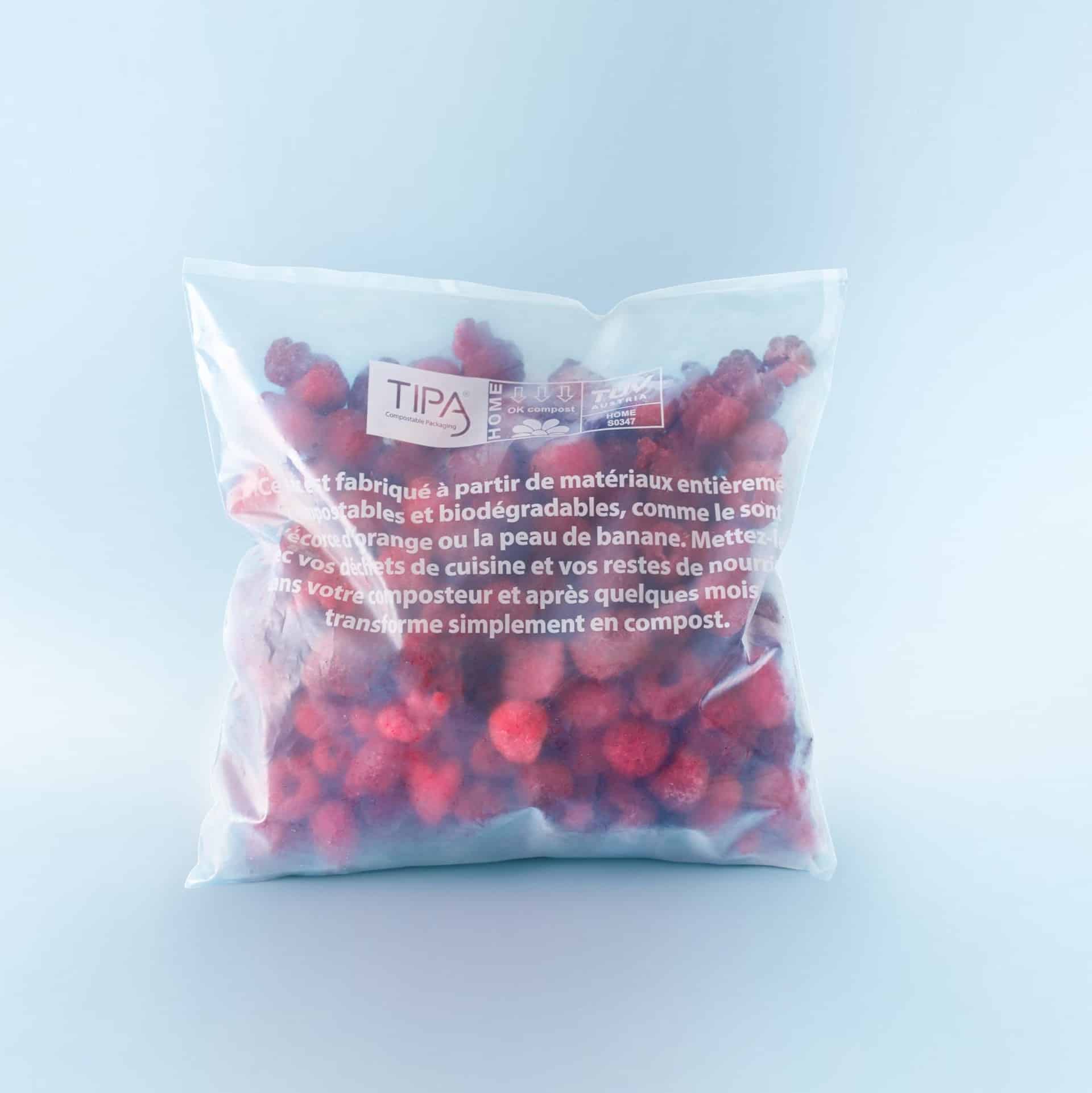
The packaging of the food you buy plays a big role in your plastic consumption. Many processed foods come in multi-layered plastic packaging that’s difficult to recycle. To avoid this, look for products that use sustainable packaging like paper, cardboard, or compostable materials.
Some brands are leading the way in sustainable packaging, offering products in recyclable or compostable containers. Support these companies by choosing their products over those with excessive plastic packaging. You can also look for certifications like FSC or recycled content labels to ensure you’re making eco-friendly choices.
Embrace a Plant-Based Diet
While not all plant-based foods are free from plastic, many are naturally packaged in their own skins, such as fruits and vegetables. By incorporating more fresh produce into your diet, you can reduce your reliance on pre-packaged foods that often come in plastic.
Additionally, plant-based diets tend to be lower in microplastics because they involve fewer processed foods. Focus on whole foods like vegetables, legumes, and whole grains, and limit your intake of highly processed snacks and meals that come in plastic packaging.
Stay Informed and Advocate for Change
Knowledge is power, and staying informed about the issue of plastic in food can help you make better choices. Follow reputable sources for updates on microplastics and sustainable living. Share what you learn with friends and family to raise awareness and encourage others to take action.
You can also advocate for change by supporting policies that promote sustainable packaging and reduce plastic waste. Contact your local representatives, participate in community clean-up efforts, and support businesses that prioritize environmental responsibility.
Conclusion
Avoiding plastic in your food is not just about protecting your health — it’s about making a positive impact on the planet. By making simple changes in your daily habits, such as choosing safer cookware, using reusable containers, and supporting sustainable packaging, you can significantly reduce your exposure to microplastics. Remember, every small step counts, and together, we can create a healthier, more sustainable future for ourselves and generations to come.

Post a Comment for "How to Avoid Plastic in Your Food: Practical Tips for a Healthier Lifestyle"
Post a Comment