How Blue Light Filters Can Improve Your Sleep Quality
In today's digital age, it's nearly impossible to escape the glow of screens. From smartphones and tablets to computers and televisions, we're constantly surrounded by artificial light. While these devices have revolutionized how we work, learn, and connect, they also emit blue light—a type of high-energy visible (HEV) light that can significantly impact our sleep. If you've ever found yourself wide awake at night despite feeling exhausted, it might be time to consider the role of blue light in your sleep patterns. This article will explore how blue light affects sleep and why using blue light filters can be a game-changer for your rest.
The Science Behind Blue Light and Sleep
Blue light is a natural component of sunlight, playing a crucial role in regulating our circadian rhythm—the body’s internal clock that controls when we feel alert and when we feel sleepy. However, the problem arises when we're exposed to artificial sources of blue light, especially in the evening. These devices, including smartphones, tablets, and computers, emit a significant amount of blue light that can trick our brains into thinking it's still daytime.
Suppression of Melatonin Production
One of the most well-documented effects of blue light exposure is its suppression of melatonin, the hormone responsible for regulating sleep. When we are exposed to blue light in the evening, our brain receives signals that it's still daytime, which inhibits the production of melatonin. This disruption can make it difficult to fall asleep and can lead to poor-quality sleep overall.
Disruption of Circadian Rhythm
The circadian rhythm is essential for maintaining a healthy sleep-wake cycle. Exposure to blue light during the evening can shift this rhythm, making it harder to fall asleep and stay asleep. Research has shown that blue light suppresses melatonin production more effectively than any other type of light, further complicating our ability to achieve restful sleep.
Real-Life Impacts of Blue Light on Sleep
Understanding the science behind blue light is one thing, but seeing how it affects real people is another. Consider the following scenarios:
Scenario 1: Emily’s Evening Screen Time
Emily loves watching TV and browsing social media before bed. Over time, she noticed she was having trouble falling asleep and often felt tired the next day. After learning about blue light, Emily started using blue light filters on her devices and reduced screen time an hour before bed. She found that she fell asleep faster and felt more rested in the morning.
Scenario 2: Mark’s Shift Work Challenge
Mark works night shifts and uses screens extensively during his work hours. Struggling with sleep during the day, he began using blue light-blocking glasses and adjusting his lighting at home to warmer tones. These changes helped him improve his sleep quality and feel more alert during his waking hours.
Practical Tips for Reducing Blue Light Exposure
If you're looking to improve your sleep quality, there are several practical steps you can take to reduce your exposure to blue light.
Limit Screen Time Before Bed
Aim to reduce the use of electronic devices at least one hour before bedtime. Engaging in relaxing activities, such as reading a physical book or practicing meditation, can help signal your body that it's time to wind down.
Use Blue Light Filters
Most smartphones, tablets, and computers have settings that adjust the display to emit warmer light during evening hours. Apps like f.lux can also help reduce blue light emission from screens.
Wear Blue Light-Blocking Glasses
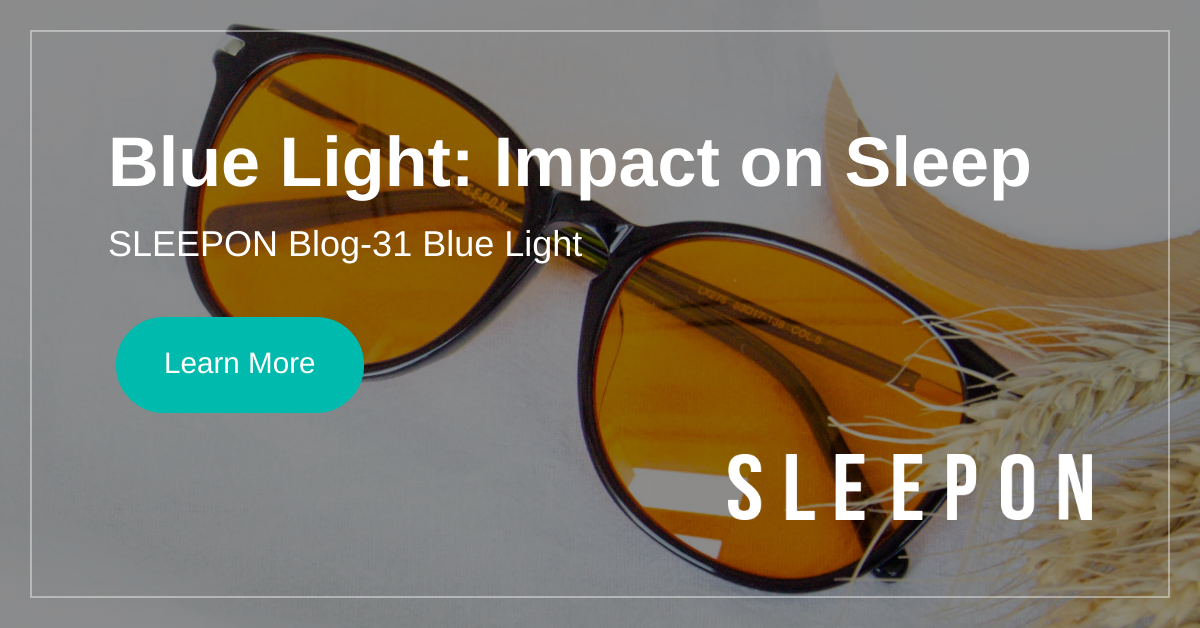
Specialized glasses that block blue light can be worn in the evening to reduce exposure. These glasses filter out a significant portion of blue light, helping to maintain melatonin levels.
[IMAGE: blue light filters for better sleep]
Creating a Sleep-Conducive Environment
In addition to limiting screen time and using blue light filters, creating a sleep-conducive environment is essential for improving your sleep quality.
Adjust Your Lighting
Use dim, warm-colored lights in the evening instead of bright, cool-toned lighting. Consider using lamps with adjustable settings to create a more relaxing environment.
Maintain a Consistent Sleep Schedule
Going to bed and waking up at the same time every day helps regulate your internal clock, making it easier to fall asleep and wake up naturally.
Expert Insights on Blue Light and Sleep
Dr. Devaki, a sleep specialist, explains, “Blue light is a double-edged sword. While it’s essential during the day for maintaining alertness and regulating our internal clocks, excessive exposure at night can wreak havoc on our sleep quality. Implementing simple strategies to reduce blue light exposure can make a significant difference in sleep health.”
John Doe, a technology expert, adds, “Many devices now come with built-in blue light filters or ‘night mode’ settings. Utilizing these features, especially in the evening, can help mitigate the adverse effects of blue light on sleep.”
Conclusion
Blue light is an integral part of our daily lives, influencing everything from our mood to our sleep patterns. While it offers benefits during daylight hours, excessive exposure, especially in the evening, can disrupt sleep quality and overall health. By understanding the impact of blue light and implementing practical strategies to reduce its effects, you can enhance your sleep quality and improve your well-being. Whether it’s adjusting your screen settings, wearing blue light-blocking glasses, or creating a more sleep-friendly environment, these simple changes can make a significant difference in your nightly rest.

Post a Comment for "How Blue Light Filters Can Improve Your Sleep Quality"
Post a Comment