5 Essential Tips for Maintaining Brain Health in Aging Adults
As we age, maintaining brain health becomes increasingly important. The Centers for Disease Control and Prevention (CDC) reports that regular activities can significantly reduce the risk of dementia, depression, heart disease, and certain cancers among seniors. Additionally, the Mayo Clinic highlights that even low-intensity activities can help prevent cognitive decline and reduce symptoms of depression. This article explores five essential tips to help aging adults preserve their mental sharpness and overall well-being.
1. Engage in Regular Cognitive Activities
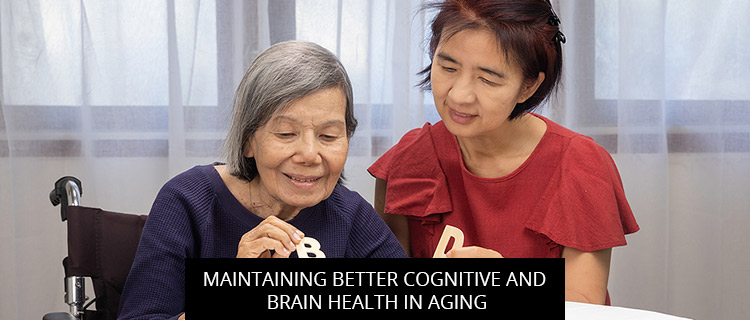
Regular cognitive activities are crucial for maintaining brain health. Research from the National Institute on Aging shows that seniors who engage in puzzle-solving regularly demonstrate significant improvements in memory and cognitive function. These activities not only stimulate the brain but also provide therapeutic benefits.
Benefits of Puzzle Engagement
- Improved memory and recall abilities: Puzzles like Tangram and Logic Grid puzzles have been shown to enhance working memory and processing speed.
- Enhanced problem-solving skills: These activities require critical thinking and analysis, which can improve cognitive flexibility.
- Reduced agitation for those with dementia: Puzzles can provide a sense of accomplishment and reduce anxiety.
Actionable Tip: Incorporate a variety of puzzles into daily routines. Try Tangram puzzles for spatial reasoning or Logic Grid puzzles for critical thinking. Aim for at least three sessions per week to see measurable improvements.
2. Practice Mindful Birdwatching
Mindful birdwatching is an excellent way to engage the brain while enjoying nature. Researchers at Cornell University’s Lab of Ornithology report that this activity stimulates multiple brain regions and reduces psychological distress. Birdwatching also enhances attention and observational skills.
How to Start Birdwatching
- Set up a bird-friendly environment: Use tall trees, flowering plants, and ground cover to attract birds.
- Identify bird species: Learning to recognize different birds improves memory and attention to detail.
- Keep a journal: Documenting sightings helps track progress and reinforces memory.
Actionable Tip: Create a bird-friendly space in your backyard or local park. Spend at least 30 minutes daily observing and identifying birds. Consider using a field guide or app to aid in identification.
3. Participate in Language Exchange with Grandchildren
Language exchange between grandparents and grandchildren has been shown to reduce depression and improve cognitive function. The Journal of Intergenerational Relationships highlights that these interactions provide more effective brain stimulation than traditional senior activities.
Benefits of Language Exchange
- Vocabulary building: Seniors learning modern technology terms from younger generations show improved cognitive flexibility.
- Heritage language instruction: Teaching heritage languages activates multiple brain regions, strengthening cognitive function.
Actionable Tip: Encourage regular conversations with grandchildren. Use apps like DuoLingo to practice new languages together. This not only strengthens family bonds but also provides mental stimulation.
4. Join Storytelling Circles
Group storytelling circles have been found to improve psychological wellbeing and cognitive function. The American Journal of Geriatric Psychiatry reports that structured memory-sharing sessions provide measurable benefits beyond traditional cognitive exercises.
How to Engage in Storytelling
- Participate in reminiscence therapy: Focus on positive memories or examine entire personal histories.
- Record family histories: Digital preservation tools transform family storytelling, enhancing memory recall.
Actionable Tip: Join a local storytelling group or organize a session with friends. Record your stories to create a lasting legacy while stimulating your brain.
5. Maintain Physical Activity
Physical activity is essential for brain health. The CDC emphasizes that regular exercise can improve circulation to the brain, which is vital for mental function. Studies show that seniors who elevate their physical exertion levels demonstrate enhanced working memory and mental performance the following day.
Benefits of Physical Activity
- Improved cognitive clarity: Exercise enhances focus and mental clarity.
- Neuroplasticity: Regular physical activity fosters the brain's ability to form new connections.
Actionable Tip: Aim for at least 30 minutes of moderate exercise, such as walking or dancing, most days of the week. Incorporate strength training to maintain muscle and balance.
In conclusion, maintaining brain health for aging adults requires a combination of cognitive engagement, social interaction, and physical activity. By incorporating these essential tips into daily routines, seniors can preserve their mental sharpness and enjoy a higher quality of life. Remember, it's never too late to start, and every small step counts toward a healthier brain.

Post a Comment for "5 Essential Tips for Maintaining Brain Health in Aging Adults"
Post a Comment