The Benefits of a High-Fiber Diet for Digestive Health
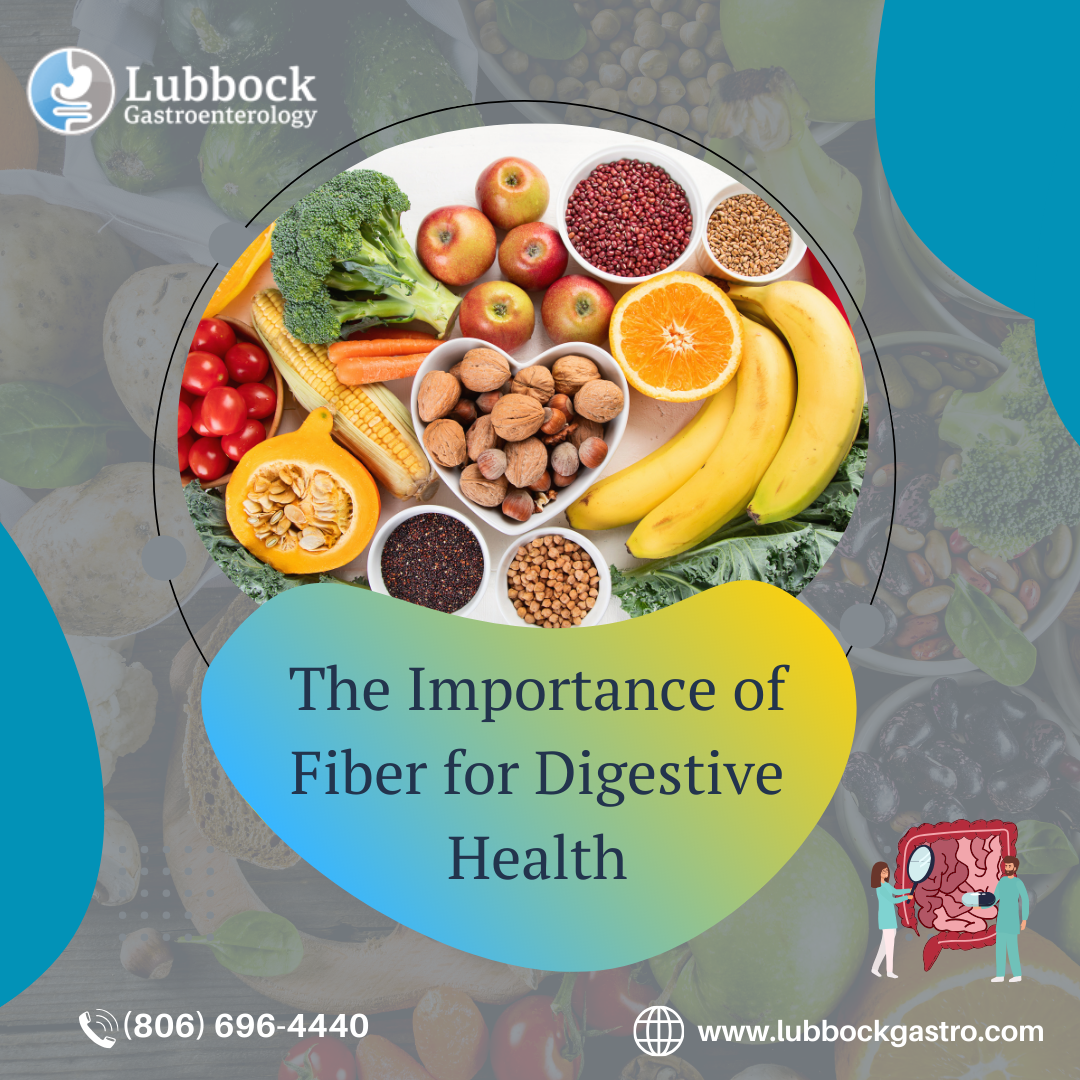
Fiber: Your Gut's Best Friend for a Happier Tummy!
Unlocking Digestive Bliss: The Power of a High-Fiber Diet
Hey friends! Ever feel like your digestive system is throwing a party where nobody RSVP'd? Bloating, constipation, that "stuck" feeling – we've all been there. It's like your gut is staging a protest, and frankly, who can blame it? In today's world of processed foods and grab-and-go meals, our digestive systems are often left crying out for help. We're talking about a modern epidemic of unhappy guts, and honestly, it's no fun.
Imagine this: you're trying to navigate rush hour traffic in a tiny car with bald tires. Sounds stressful, right? That's kind of what it's like when your digestive system is low on fiber. Things get sluggish, bumpy, and definitely not enjoyable. Now, imagine cruising down that same highway in a well-maintained SUV with all the bells and whistles. That's the magic of fiber! It's the fuel that keeps things moving smoothly and efficiently.
But fear not, because the solution is surprisingly simple: fiber! Yes, that seemingly boring nutrient that your grandma always raved about. It turns out, Grandma was onto something. Fiber isn't just some old wives' tale; it's the superhero your digestive system has been waiting for. We're not talking about choking down tasteless bran cereals either. We’re talking about delicious fruits, vibrant vegetables, hearty whole grains, and crunchy nuts and seeds. It's about making small, delicious changes that can have a HUGE impact on your overall well-being.
Think of fiber as nature's scrub brush for your insides. It sweeps away waste, keeps things regular, and even helps to feed the good bacteria in your gut. These good bacteria, by the way, are like tiny little superheroes themselves, working tirelessly to keep you healthy and happy. Fiber is their favorite food, and when they're happy, you're happy. It's a win-win!
And the benefits don't stop there! A high-fiber diet can also help you manage your weight, lower your cholesterol, and even reduce your risk of certain diseases. It’s like a multi-tool for your health, all packed into one amazing nutrient. In a world obsessed with quick fixes and complicated diets, fiber is a refreshing reminder that sometimes, the simplest solutions are the most effective. Current research shows that a majority of adults don't get enough fiber in their daily diet, leading to a host of preventable health issues. We can all benefit from increasing our fiber intake.
So, are you ready to ditch the digestive drama and embrace a happier, healthier gut? Are you curious to learn how this seemingly simple dietary change can transform your life? Let's dive in and discover the incredible power of a high-fiber diet and how it can unlock digestive bliss! Stick around, because we're about to unravel the secrets to a happier tummy, one delicious bite at a time. What if I told you that adding just a few simple foods to your diet could make you feel lighter, more energetic, and less bloated? Intrigued? Let's find out how!
Decoding the Fiber Enigma: What It Is and Why It Matters
Before we jump into the amazing benefits, let's get clear on what fiber actually is. Fiber, also known as roughage or bulk, is a type of carbohydrate that our bodies can't digest. Now, hold on a second! Don't let the word "carbohydrate" scare you. Unlike other carbs that break down into sugar, fiber passes through our digestive system relatively intact. This is precisely what makes it so beneficial.
Think of fiber as the construction crew of your digestive system. It's not directly used for energy, but it plays a crucial role in keeping everything running smoothly. There are two main types of fiber: soluble and insoluble. And guess what? Both are incredibly important for your health!
• Soluble Fiber: This type of fiber dissolves in water to form a gel-like substance. Imagine it as a sponge soaking up excess cholesterol and sugar in your digestive tract. This can help lower your cholesterol levels and stabilize your blood sugar, which is great news for your heart and overall health! Soluble fiber is found in foods like oats, beans, apples, and citrus fruits. Eating a bowl of oatmeal in the morning or snacking on an apple during the day are easy ways to boost your soluble fiber intake.
• Insoluble Fiber: This type of fiber doesn't dissolve in water. Instead, it adds bulk to your stool, which helps to keep things moving along in your digestive system. Think of it as a broom sweeping away waste and preventing constipation. Insoluble fiber is found in foods like whole wheat bread, brown rice, vegetables, and nuts. Swapping white bread for whole wheat or adding a side of veggies to your meal are simple ways to increase your insoluble fiber intake.
So, why does this matter? Well, a lack of fiber in your diet can lead to a whole host of digestive problems, from occasional constipation to more serious issues like diverticulitis. Plus, a low-fiber diet can also contribute to weight gain, high cholesterol, and an increased risk of certain cancers. The National Institutes of Health (NIH) recommends that adults consume between 25 and 38 grams of fiber per day, but the average person only gets about half that amount. It’s time to up our fiber game, friends!
The Digestive Dream Team: How Fiber Keeps Your Gut Happy
Now that we know what fiber is, let's explore the amazing benefits it offers for your digestive health. Get ready to be amazed, because fiber is a true superstar!
• Bye-Bye Constipation: Let's face it, constipation is no fun. It can leave you feeling bloated, uncomfortable, and just plain miserable. Fiber, especially insoluble fiber, is your best friend when it comes to keeping things regular. It adds bulk to your stool, making it easier to pass through your digestive system. Think of it as a natural laxative, without the harsh side effects. Adding foods like bran cereal, prunes, and leafy green vegetables to your diet can work wonders for relieving constipation.
• Sayonara Bloating: Bloating is another common digestive complaint that can be caused by a variety of factors, including gas, water retention, and, you guessed it, a lack of fiber. Fiber helps to regulate your digestion, which can reduce gas and bloating. Soluble fiber, in particular, can help to slow down the absorption of sugar, which can prevent blood sugar spikes and crashes that can contribute to bloating. Eating smaller, more frequent meals that are rich in fiber can also help to minimize bloating.
• A Happy Gut Microbiome: Your gut is home to trillions of bacteria, both good and bad. These bacteria play a crucial role in your digestion, immunity, and overall health. Fiber, especially soluble fiber, is a prebiotic, which means it feeds the good bacteria in your gut. When the good bacteria are happy, they can help to fight off bad bacteria, improve your digestion, and even boost your mood! Foods like bananas, onions, garlic, and asparagus are excellent sources of prebiotics. A healthy gut microbiome is linked to a stronger immune system, improved mental health, and a reduced risk of chronic diseases.
• Prevention of Diverticulitis: Diverticulitis is a condition in which small pouches form in the lining of your colon. These pouches can become inflamed or infected, leading to pain, nausea, and other unpleasant symptoms. A high-fiber diet can help to prevent diverticulitis by keeping your stools soft and preventing constipation. This reduces the pressure on your colon, which can help to prevent the formation of these pouches.
• Weight Management: Fiber can also help you manage your weight by promoting feelings of fullness. When you eat fiber-rich foods, they take longer to digest, which means you'll feel satisfied for longer. This can help you to eat less and ultimately lose weight. Plus, fiber-rich foods are often lower in calories than processed foods, making them a smart choice for weight management. A study published in the "Journal of Nutrition" found that people who ate the most fiber weighed less than those who ate the least fiber.
Fiber-licious Foods: Easy Ways to Boost Your Intake
Okay, so you're convinced that fiber is amazing. But how do you actually get more of it into your diet? Don't worry, it's easier than you think! Here are some simple and delicious ways to boost your fiber intake:
• Fruits and Vegetables: These are the superstars of the fiber world! Aim for at least five servings of fruits and vegetables per day. Berries, apples, pears, broccoli, carrots, and spinach are all excellent sources of fiber. Leave the skin on when possible, as that's where much of the fiber is found. A medium apple with the skin on has about 4.4 grams of fiber, while a cup of broccoli has about
2.4 grams.
• Whole Grains: Swap out refined grains like white bread and white rice for whole grains like whole wheat bread, brown rice, quinoa, and oats. Whole grains are packed with fiber, as well as other important nutrients. A slice of whole wheat bread has about 2 grams of fiber, while a cup of cooked quinoa has about 5 grams.
• Legumes: Beans, lentils, and peas are nutritional powerhouses! They're packed with fiber, protein, and other essential nutrients. Add them to soups, salads, or enjoy them as a side dish. A cup of cooked lentils has a whopping 15.6 grams of fiber, while a cup of black beans has about 15 grams.
• Nuts and Seeds: These are a great source of fiber, healthy fats, and other important nutrients. Add them to your breakfast cereal, yogurt, or salads, or enjoy them as a snack. A quarter-cup of almonds has about 3.5 grams of fiber, while a tablespoon of chia seeds has about 5 grams.
• Fiber Supplements: If you're struggling to get enough fiber from your diet alone, you can consider taking a fiber supplement. However, it's always best to get your fiber from whole foods whenever possible. If you do choose to take a supplement, start with a low dose and gradually increase it to avoid digestive discomfort.
Fiber Faux Pas: Avoiding Common Mistakes
While increasing your fiber intake is generally a good thing, there are a few common mistakes to avoid:
• Increasing Too Quickly: Adding too much fiber to your diet too quickly can lead to gas, bloating, and other digestive discomfort. It's best to increase your fiber intake gradually over a few weeks to give your digestive system time to adjust.
• Not Drinking Enough Water: Fiber absorbs water, so it's important to drink plenty of fluids when you increase your fiber intake. Aim for at least eight glasses of water per day. Dehydration can lead to constipation, even if you're eating plenty of fiber.
• Relying on Processed Foods: Some processed foods are marketed as being high in fiber, but they may also be high in sugar, salt, and unhealthy fats. It's always best to get your fiber from whole, unprocessed foods.
• Ignoring Underlying Issues: If you're experiencing persistent digestive problems, it's important to see a doctor to rule out any underlying medical conditions. While fiber can help to improve digestion, it's not a cure-all.
Expert Insights: The Future of Fiber Research
The world of fiber research is constantly evolving, with new studies emerging all the time. Here are a few current trends and realistic future predictions:
• Personalized Fiber Recommendations: In the future, we may see personalized fiber recommendations based on an individual's gut microbiome and genetic makeup. This could allow for more targeted and effective fiber interventions.
• Novel Fiber Sources: Researchers are exploring new and innovative sources of fiber, such as algae, seaweed, and insect chitin. These sources could offer unique health benefits and sustainable alternatives to traditional fiber sources.
• Fiber and Mental Health: Emerging research suggests a strong link between gut health and mental health. Future studies may explore the role of fiber in preventing and treating mental health disorders.
• Fiber and Disease Prevention: Ongoing research continues to investigate the role of fiber in preventing chronic diseases such as heart disease, diabetes, and cancer. These studies could lead to new dietary guidelines and public health recommendations.
FAQs: Fiber Edition
Got questions about fiber? We've got answers! Here are some frequently asked questions about this amazing nutrient:
• Question: How much fiber should I be eating each day?
• Answer: The National Institutes of Health recommends that adults consume between 25 and 38 grams of fiber per day. However, individual needs may vary depending on age, gender, and activity level.
• Question: What are the best sources of fiber?
• Answer: The best sources of fiber are fruits, vegetables, whole grains, legumes, nuts, and seeds. Aim to include a variety of these foods in your diet each day.
• Question: Can too much fiber be harmful?
• Answer: Yes, eating too much fiber too quickly can lead to gas, bloating, and other digestive discomfort. It's best to increase your fiber intake gradually over a few weeks and drink plenty of water.
• Question: Is it better to get fiber from food or supplements?
• Answer: It's always best to get your fiber from whole foods whenever possible. Whole foods provide a variety of nutrients in addition to fiber. If you're struggling to get enough fiber from your diet alone, you can consider taking a fiber supplement.
Conclusion: Your Journey to a Happier Gut Starts Now!
So, there you have it, friends! We've explored the amazing world of fiber and its incredible benefits for your digestive health. From banishing constipation to boosting your mood, fiber is truly a superhero nutrient. By making simple changes to your diet, like adding more fruits, vegetables, whole grains, and legumes, you can unlock digestive bliss and enjoy a happier, healthier life.
Remember, it's not about making drastic changes overnight. Start small, be consistent, and listen to your body. Increase your fiber intake gradually, drink plenty of water, and pay attention to how you feel. With a little bit of effort, you can transform your digestive health and experience the amazing benefits of a high-fiber diet.
Now that you're armed with this knowledge, I invite you to take action! Start by adding one high-fiber food to your diet each day. Maybe it's a bowl of oatmeal for breakfast, an apple for a snack, or a side of beans with dinner. Every little bit counts!
Are you ready to ditch the digestive drama and embrace a happier, healthier gut? I believe in you! You've got the power to transform your health, one delicious bite at a time.
So, what are you waiting for? Go forth and conquer your digestive woes with the power of fiber! What fiber-rich food are you most excited to try this week? Let me know in the comments below!

Post a Comment for "The Benefits of a High-Fiber Diet for Digestive Health"
Post a Comment