Intermittent Fasting: What to Eat When Breaking Your Fast
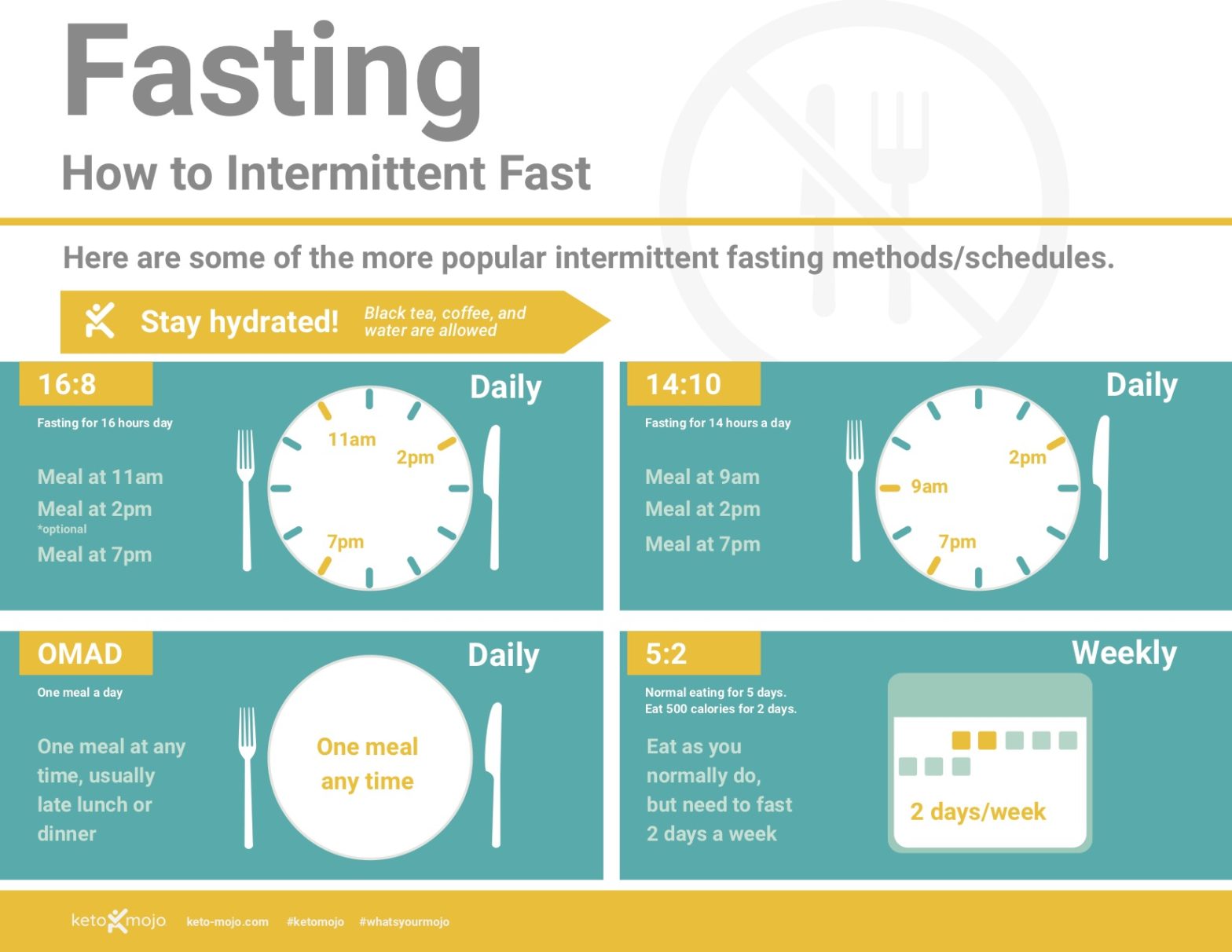
Intermittent Fasting: The Best Foods to Break Your Fast With!
Hey there, friend! Ever stared into the fridge after a fast, wondering what magical food will simultaneously satisfy your hunger and keep your body happy? You're not alone! Intermittent fasting (IF) has exploded in popularity, and for good reason. It can be a fantastic tool for weight management, improved insulin sensitivity, and even enhanced brain function. But, let's be real, knowingwhento eat is only half the battle. Thewhatis just as crucial, if not more so.
Think of your body like a finely tuned race car. You wouldn't fill it with just any old fuel, right? You'd choose something that optimizes performance. Similarly, breaking your fast strategically can make or break your IF journey. Slamming down a sugary donut might sound tempting after hours of abstaining, but trust me, your body will thank you for a more thoughtful approach.
Many people jump into IF without considering the metabolic impact of their first meal. They might experience digestive discomfort, energy crashes, or even negate some of the positive effects of the fast. Imagine spending all that time fasting only to undo your hard work with a poor food choice! It's like running a marathon and then immediately sitting down for a triple cheeseburger – you might feel good in the moment, but your body will definitely have something to say about it later.
The key is to gently reintroduce your body to food with easily digestible nutrients that support your overall health goals. That means ditching the processed junk and embracing whole, unprocessed foods. But whatspecificallyshould you be eating? And how can you tailor your choices to your individual needs and preferences? That's what we're diving into today. Stick around, and we'll unlock the secrets to breaking your fast the right way, maximizing the benefits of IF, and feeling fantastic in the process!
Breaking the Fast: A Strategic Guide to Nourishment
Alright, let's get down to brass tacks. You've successfully navigated your fasting window, and now it's time to refuel. Here’s a comprehensive guide to choosing the best foods to break your fast and optimize your results:
Prioritize Protein
Protein is your best friend when breaking a fast. It's satiating, meaning it helps you feel fuller for longer, and it plays a vital role in muscle repair and growth. Plus, protein has a minimal impact on blood sugar levels, preventing those dreaded energy crashes.
• Lean Meats: Think chicken breast, turkey, lean beef, or fish. These are excellent sources of high-quality protein and essential nutrients. A grilled chicken salad or a piece of baked salmon are great options.
• Eggs: Eggs are a powerhouse of nutrients and a complete protein source. Scramble them, poach them, or make an omelet with some veggies. They're versatile and easy to prepare.
• Greek Yogurt: This is a fantastic option if you're looking for something quick and convenient. Opt for plain, unsweetened Greek yogurt and add your own toppings like berries and nuts.
• Protein Shakes: If you're short on time or prefer a liquid meal, a protein shake can be a good choice. Just be sure to choose a high-quality protein powder with minimal added sugars or artificial ingredients.
For example, let's say you typically break your fast with a bagel and cream cheese. While that might taste good in the moment, it's primarily carbohydrates and fats, which can lead to a rapid spike and subsequent crash in blood sugar. Instead, try swapping the bagel for a couple of scrambled eggs with spinach and a side of avocado. You'll get a good dose of protein, healthy fats, and fiber, which will keep you feeling satisfied and energized for hours.
Embrace Healthy Fats
Healthy fats are another key component of a well-balanced meal after fasting. They provide sustained energy, support hormone production, and help you absorb fat-soluble vitamins.
• Avocado: This creamy fruit is packed with monounsaturated fats, which are beneficial for heart health. Add it to salads, sandwiches, or enjoy it on its own with a sprinkle of salt and pepper.
• Nuts and Seeds: Almonds, walnuts, chia seeds, and flaxseeds are all excellent sources of healthy fats, fiber, and nutrients. Snack on a handful of nuts or add seeds to your yogurt or smoothie.
• Olive Oil: Use olive oil as your primary cooking oil and drizzle it over salads and vegetables. It's rich in antioxidants and has anti-inflammatory properties.
• Fatty Fish: Salmon, tuna, and mackerel are packed with omega-3 fatty acids, which are essential for brain health and overall well-being.
Consider this: you finish your 16-hour fast and immediately grab a handful of potato chips. While the salty, crunchy goodness might be appealing, those chips are primarily processed carbohydrates and unhealthy fats. A better alternative would be a handful of almonds and a few slices of avocado. You'll still get that satisfying crunch, but you'll also be nourishing your body with healthy fats and nutrients.
Load Up on Fiber
Fiber is crucial for digestive health and helps regulate blood sugar levels. It also keeps you feeling full and satisfied, preventing overeating later in the day.
• Non-Starchy Vegetables: Leafy greens (spinach, kale, lettuce), broccoli, cauliflower, bell peppers, and cucumbers are all excellent sources of fiber and essential nutrients. Aim to include a variety of colors in your diet.
• Berries: Blueberries, raspberries, strawberries, and blackberries are packed with antioxidants and fiber. Enjoy them as a snack, add them to your yogurt or oatmeal, or blend them into a smoothie.
• Legumes: Lentils, beans, and chickpeas are excellent sources of protein and fiber. Add them to soups, salads, or stews.
Let's say you usually break your fast with a bowl of sugary cereal. While it might be a quick and easy option, it's low in fiber and can lead to a rapid spike and crash in blood sugar. Instead, try a bowl of oatmeal with berries and a sprinkle of nuts. You'll get a good dose of fiber, which will help keep you feeling full and energized for longer.
Stay Hydrated
It's crucial to rehydrate your body after a fast. Water is essential for numerous bodily functions, including digestion, nutrient absorption, and waste removal.
• Water: Drink plenty of water throughout the day, especially after breaking your fast.
• Herbal Tea: Unsweetened herbal tea is a great way to stay hydrated and enjoy some added health benefits.
• Bone Broth: Bone broth is a nutrient-rich liquid that is easy to digest and can help replenish electrolytes.
Think about it: after fasting, your body is essentially in a state of mild dehydration. Guzzling down a sugary soda might seem like a quick fix, but it's actually counterproductive. The sugar can exacerbate dehydration and lead to an energy crash. A much better option is to start with a large glass of water and then sip on herbal tea or bone broth throughout the day.
Mindful Eating
Pay attention to your body's signals and eat slowly and deliberately. This will help you avoid overeating and better appreciate the taste and texture of your food.
• Focus on the present moment: Avoid distractions like your phone or TV while eating.
• Chew your food thoroughly: This will help improve digestion and nutrient absorption.
• Listen to your body's cues: Stop eating when you feel satisfied, not stuffed.
Imagine this scenario: you've been fasting for 18 hours, and you're absolutely ravenous. You grab the first thing you see – a pizza – and devour it in minutes without even tasting it. Later, you feel bloated, sluggish, and regretful. A better approach would be to prepare a healthy meal in advance, sit down at the table, and savor each bite. Pay attention to the flavors and textures, and stop eating when you feel comfortably full. This mindful approach will not only help you avoid overeating but also allow you to better appreciate your food and the nourishment it provides.
Timing is Key
The size and composition of your first meal after fasting can influence your metabolic response. Start with a smaller, easily digestible meal and gradually increase your intake as you feel comfortable.
• Small and Simple: Begin with a small portion of protein and healthy fats.
• Gradual Increase: Gradually increase your intake of carbohydrates and fiber over the next few hours.
• Avoid Large Meals: Avoid overwhelming your digestive system with a large, heavy meal immediately after fasting.
Consider this: you've completed a 24-hour fast and decide to celebrate with a huge plate of pasta. While it might seem like a reward, it can actually shock your digestive system and lead to discomfort. A more strategic approach would be to start with a small bowl of bone broth, followed by a small portion of grilled chicken and steamed vegetables. You can then gradually increase your intake of carbohydrates and fiber as you feel comfortable. This will allow your body to gently transition back into a fed state without overloading your digestive system.
Listen to Your Body
Everyone's body is different, so it's important to experiment and find what works best for you. Pay attention to how different foods make you feel and adjust your diet accordingly.
• Keep a Food Journal: Track your meals and how they make you feel.
• Experiment with Different Foods: Try different combinations of protein, fats, and carbohydrates.
• Consult with a Healthcare Professional: If you have any underlying health conditions, consult with a doctor or registered dietitian before starting intermittent fasting.
For example, you might find that you tolerate certain foods better than others after fasting. Some people find that dairy products can cause digestive discomfort, while others have no problems. The key is to pay attention to your body's signals and adjust your diet accordingly. Keeping a food journal can be a helpful way to track your meals and how they make you feel.
Common Questions About Breaking Your Fast
Let's address some frequently asked questions about breaking your fast effectively:
• Q: Can I drink coffee when breaking my fast?
• A: While black coffee technically doesn't break your fast, some people find that it can cause digestive upset when consumed on an empty stomach after a prolonged fast. It's best to experiment and see how your body responds. If you experience any discomfort, try having a small amount of food before your coffee.
• Q: What if I accidentally eat something during my fasting window?
• A: Don't beat yourself up! It happens. Simply acknowledge the mistake and resume your fasting schedule as planned. One small slip-up won't derail your entire progress.
• Q: Is it okay to break my fast with fruit?
• A: Fruit can be a healthy option for breaking your fast, but it's important to choose fruits that are lower in sugar and pair them with a source of protein and healthy fats. Berries are a good choice, while fruits like bananas and mangoes are higher in sugar and may cause a blood sugar spike.
• Q: How long should I wait to eat a larger meal after breaking my fast?
• A: It's best to start with a small, easily digestible meal and gradually increase your intake over the next few hours. This will allow your digestive system to adjust and prevent any discomfort.
The Takeaway
So, there you have it! Breaking your fast strategically is all about nourishing your body with the right foods at the right time. Remember to prioritize protein, embrace healthy fats, load up on fiber, stay hydrated, and eat mindfully. Most importantly, listen to your body and find what works best for you. Intermittent fasting can be a powerful tool for improving your health, but it's important to approach it with a balanced and informed perspective.
Now, I challenge you to put these tips into practice. Plan your next post-fast meal with intention. What healthy protein, fats, and fiber-rich foods will you include? Start small, listen to your body, and notice the difference it makes in your energy levels and overall well-being.
Here's to a healthier, happier you! Remember, consistency and mindful choices are key. What are your favorite foods to break your fast with? Feel free to share your thoughts and experiences in the comments below!

Post a Comment for "Intermittent Fasting: What to Eat When Breaking Your Fast"
Post a Comment