Home Workouts for Seniors: Staying Active at Any Age
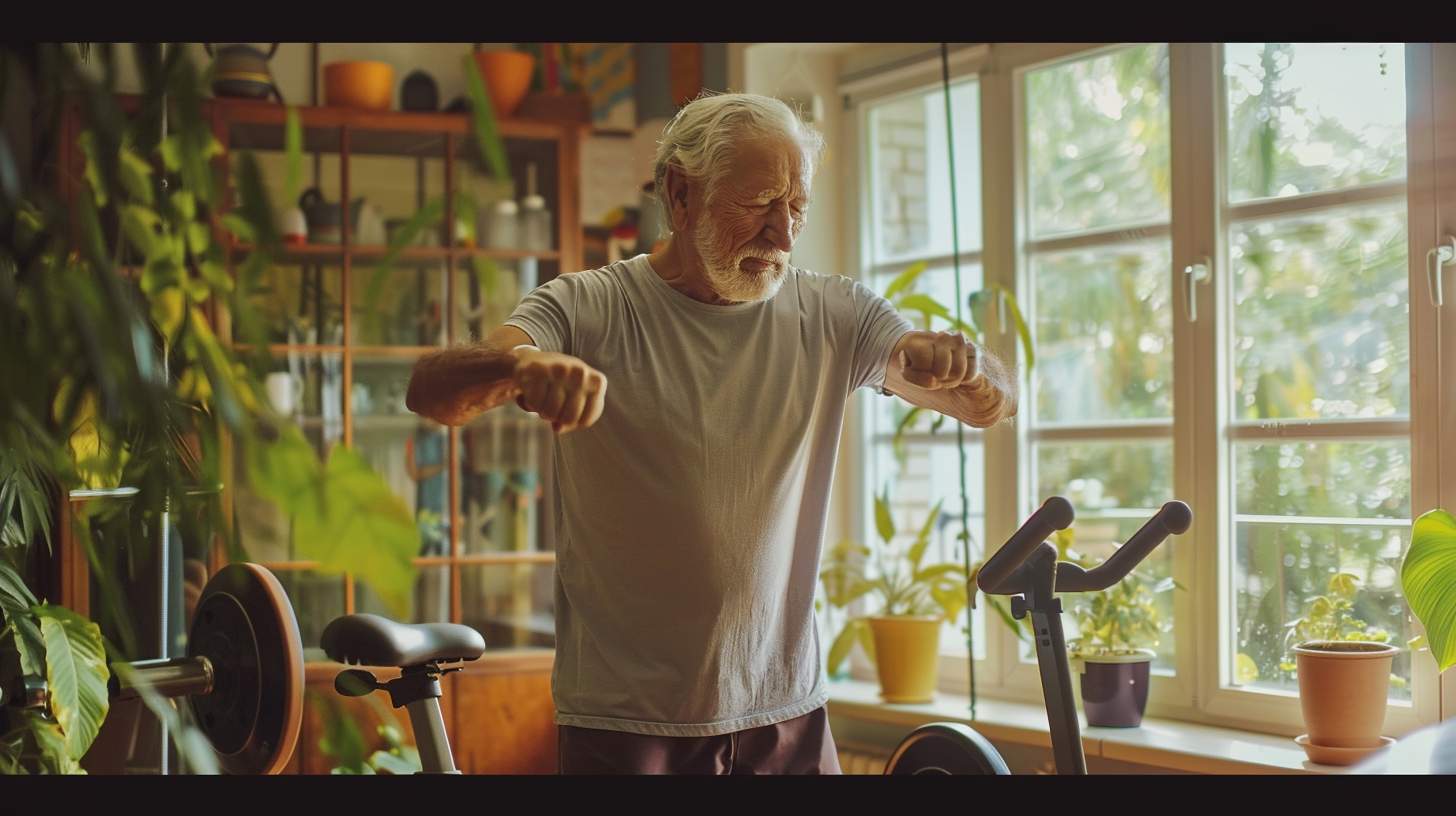
Step One:
Home Workouts for Seniors: Embrace Active Living at Any Age
Step Two:
Hey there, friend! Ever feel like your joints are staging a tiny rebellion every time you try to get off the couch? Or maybe you’ve noticed that climbing the stairs now requires a strategic planning session involving oxygen tanks and a motivational speech? Yeah, we’ve all been there, or we're headed that way! Getting older is a gift, no doubt, but sometimes the wrapping paper is a bit…creaky. And the manual is missing!
We're constantly bombarded with images of youthful fitness fanatics doing gravity-defying yoga poses. While that’s awesome for them, let's be real: most of us just want to be able to bend down and tie our shoes without needing a crane! And that's perfectly okay. The good news is, staying active and healthy as we age doesn't require running marathons or becoming a gym rat. It's about finding simple, enjoyable ways to move your body and keep it feeling good.
Think of your body like a classic car. It needs regular maintenance to keep running smoothly. If you leave it parked in the garage for too long, the tires go flat, the engine gets sluggish, and the next thing you know, you're calling a mechanic. The same goes for our bodies. Regular movement helps keep our joints lubricated, our muscles strong, and our minds sharp.
Now, maybe you’re thinking, "Workouts? Me? I'm more of a 'sit and watch TV' kind of person." And that's totally fine! But what if I told you that you could incorporate simple exercises into your daily routine without even breaking a sweat (okay, maybe a little sweat)? What if I told you that staying active could actually be…fun?
The truth is, home workouts for seniors aren't about grueling boot camps or complicated routines. They're about finding gentle, effective ways to improve your strength, balance, and flexibility, all from the comfort of your own home. And the best part? You can do them at your own pace, on your own schedule, and in your pajamas if you want!
This article is your guide to unlocking the secrets of home workouts designed specifically for seniors. We're going to explore a variety of exercises that are safe, effective, and, dare I say, even enjoyable. We'll also delve into the importance of staying active as we age and how it can dramatically improve your overall quality of life. So, ditch the remote (just for a little while!) and get ready to discover how you can embrace active living at any age. Are you ready to rediscover the joy of movement and feel amazing in your own skin? Keep reading, because we’re about to jump in!
Step Three:
Okay, friends, let's dive into the world of home workouts for seniors. It's not as scary as it sounds, I promise! We're talking about gentle, effective exercises you can do right in your living room, designed to keep you feeling strong, flexible, and energized. The main thing is to find a regimen that is both effective and manageable. A combination that allows you to stick to it long term.
Why Home Workouts Are a Game-Changer for Seniors
Let's face it, getting older comes with its own unique set of challenges. Our bodies change, our energy levels fluctuate, and sometimes, just getting out of the house feels like a Herculean task. That's where home workouts come in. They offer a convenient, accessible, and low-impact way to stay active without the hassle of going to a gym.
Consider this: According to the National Institute on Aging, regular physical activity can help seniors manage chronic conditions like arthritis, heart disease, and diabetes. It can also improve balance, reduce the risk of falls, and boost cognitive function. Plus, it's a fantastic way to combat feelings of isolation and improve your overall mood.
So, what exactly makes home workouts so beneficial? Here are a few key advantages:
• Convenience: No need to worry about driving to the gym, dealing with crowds, or adhering to strict class schedules. You can work out whenever you want, for however long you want, right in the comfort of your own home.
• Cost-Effective: Gym memberships can be expensive. Home workouts require minimal equipment and can be done using items you already have around the house.
• Personalized: You can tailor your workouts to your specific needs and abilities. Whether you're recovering from an injury, managing a chronic condition, or just starting out, you can adjust the intensity and duration of your exercises to suit your individual fitness level.
• Privacy: Some people feel self-conscious working out in a public gym. Home workouts offer a private and comfortable environment where you can focus on your own progress without feeling judged.
• Safety: Home workouts allow you to control your surroundings and minimize the risk of injury. You can create a safe and supportive environment that's free from distractions and hazards.
Essential Exercises for Seniors
Now that we've established the importance of home workouts, let's explore some essential exercises that are specifically beneficial for seniors. Remember, it's always a good idea to consult with your doctor before starting any new exercise program, especially if you have any underlying health conditions.
• Chair Exercises: These are perfect for seniors with limited mobility or balance issues. You can do a variety of exercises while seated in a chair, including arm raises, leg extensions, and torso twists. Chair exercises help improve strength, flexibility, and circulation without putting too much stress on your joints. For example, seated marching can get your heart rate up in a gentle manner.
• Light Weight Training: Lifting light weights can help build muscle mass and bone density, which are essential for maintaining strength and preventing osteoporosis. Use dumbbells, resistance bands, or even canned goods as weights. Focus on exercises like bicep curls, tricep extensions, and shoulder presses. Start with a light weight and gradually increase the resistance as you get stronger.
• Stretching: Stretching is crucial for improving flexibility and range of motion. Gentle stretches can help relieve muscle tension, reduce stiffness, and prevent injuries. Focus on stretching major muscle groups like your shoulders, back, legs, and hips. Hold each stretch for 20-30 seconds and breathe deeply. A good example is a simple hamstring stretch while sitting, reaching towards your toes.
• Balance Exercises: Balance exercises are vital for preventing falls, which are a major concern for seniors. Practice standing on one foot, walking heel-to-toe, or doing simple yoga poses like tree pose. Use a chair or wall for support if needed. Aim to improve your balance gradually over time. Even something as simple as shifting your weight from one foot to the other can improve your stability.
• Low-Impact Cardio: Cardio exercises are essential for improving cardiovascular health and boosting energy levels. Choose low-impact activities like walking, swimming, or cycling. If you have joint pain, consider using an elliptical machine or stationary bike. Aim for at least 30 minutes of moderate-intensity cardio most days of the week. Put on some music and walk around your living room – it all counts!
Creating Your Personalized Workout Plan
The key to success with home workouts is to create a personalized plan that fits your individual needs and preferences. Here are a few tips for designing your own workout routine:
• Start Slow: Don't try to do too much too soon. Begin with short, gentle workouts and gradually increase the intensity and duration as you get stronger.
• Listen to Your Body: Pay attention to any pain or discomfort you may experience during your workouts. If something doesn't feel right, stop and rest. Don't push yourself too hard, especially when you're just starting out.
• Set Realistic Goals: Don't expect to see results overnight. It takes time and consistency to build strength, improve flexibility, and boost your energy levels. Set small, achievable goals and celebrate your progress along the way.
• Make it Fun: Choose activities that you enjoy and that you're more likely to stick with. Put on some music, watch your favorite TV show, or invite a friend to join you. The more enjoyable your workouts are, the more likely you are to make them a regular part of your routine.
• Stay Consistent: The most important thing is to stay consistent with your workouts. Aim to exercise at least three to five times per week, even if it's just for 15-20 minutes at a time. Consistency is key to seeing results and maintaining your progress over the long term.
• Track Your Progress: Keep a record of your workouts and track your progress over time. This can help you stay motivated and see how far you've come. You can use a notebook, a fitness app, or even just a simple calendar to track your workouts.
The Mind-Body Connection
Remember, friends, that exercise is about more than just physical health. It's also about mental and emotional well-being. Regular physical activity can help reduce stress, improve sleep, and boost your overall mood.
Consider incorporating mindfulness practices into your workouts. Pay attention to your breath, focus on your movements, and be present in the moment. This can help you connect with your body on a deeper level and experience the full benefits of exercise.
You could try combining your workouts with meditation or yoga. These practices can help you relax your mind, release tension, and improve your overall sense of well-being. Even a few minutes of deep breathing before or after your workouts can make a big difference.
Staying active is a gift you give yourself. It's a way to honor your body, nurture your mind, and celebrate the joy of movement. So, embrace the journey, have fun, and remember that every step you take is a step towards a healthier, happier you!
Step Four:
Here are a few frequently asked questions about home workouts for seniors:
• Is it safe for seniors with arthritis to exercise?
Absolutely! In fact, regular exercise can help manage arthritis symptoms by strengthening the muscles around your joints and improving flexibility. Just be sure to choose low-impact activities and listen to your body. If you experience pain, stop and rest.
• What if I have trouble balancing?
No problem! You can use a chair or wall for support while doing balance exercises. Start with simple exercises like standing on one foot for a few seconds at a time and gradually increase the duration as you get stronger.
• How often should I exercise?
Aim for at least three to five times per week, even if it's just for 15-20 minutes at a time. Consistency is key to seeing results and maintaining your progress.
• What kind of equipment do I need for home workouts?
You don't need a lot of fancy equipment! You can use items you already have around the house, like chairs, cans of food, and resistance bands. You may also want to invest in a few basic items like dumbbells and a yoga mat.
Step Five:
Alright, friends, we've covered a lot of ground here. We've explored the incredible benefits of home workouts for seniors, delved into essential exercises, and discussed how to create a personalized workout plan that fits your individual needs. Remember, staying active at any age is not just about physical health; it's about enhancing your overall quality of life, boosting your mood, and celebrating the joy of movement.
Now, it's your turn to take action! Start small, be consistent, and listen to your body. Whether it's a gentle chair exercise, a light weight training session, or a leisurely walk around your living room, every little bit counts.
I challenge you to dedicate just 15 minutes each day to moving your body. You'll be amazed at how much better you feel, both physically and mentally. Ready to embrace active living and unlock your full potential? Now go forth and conquer! You’ve got this. What small step will you take today?

Post a Comment for "Home Workouts for Seniors: Staying Active at Any Age"
Post a Comment