Herbal Teas for Relaxation: A Guide to Calming Brews
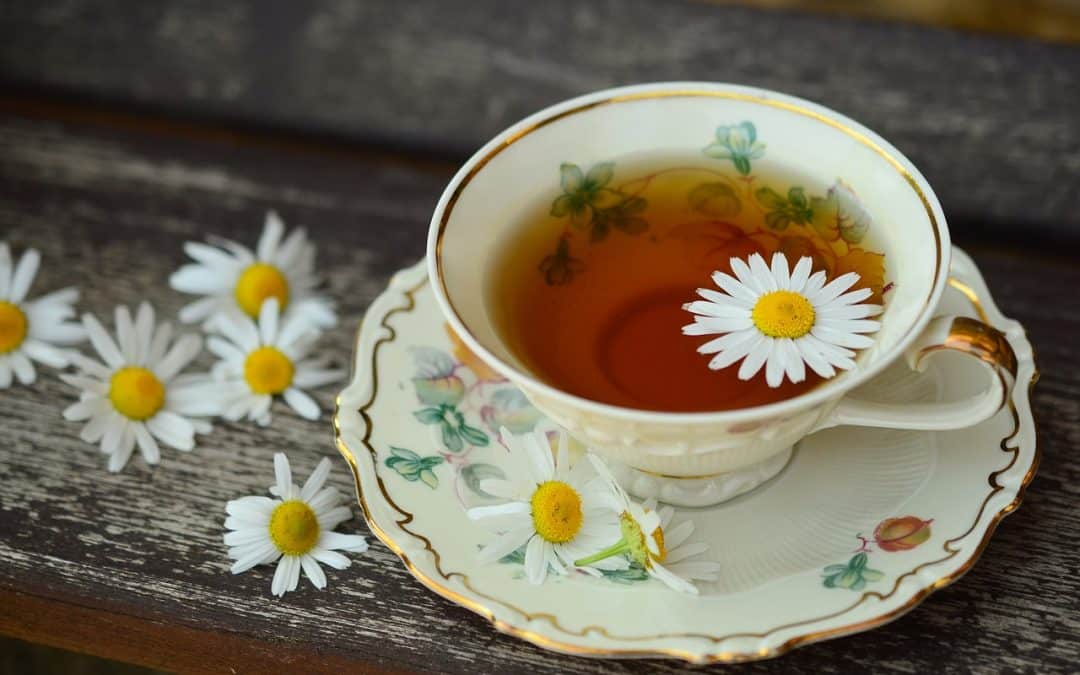
Unwind Your Mind: The Ultimate Guide to Herbal Teas for Relaxation
Hey there, friend! Ever feel like your brain is a browser with way too many tabs open? We’ve all been there. Juggling work, family, social life, and the never-ending scroll of doom can leave you feeling like a tightly wound spring. The good news is, you don’t need a tropical vacation (though, wouldn't that be nice?) to find a little peace. Believe it or not, the answer might be steeping in your kitchen cabinet.
We’re talking about herbal teas. Not your grandma’s dusty chamomile bag (though, chamomile is great too!), but a whole world of calming, soothing, and downright delicious brews designed to help you chill out. Think of it as a liquid hug for your stressed-out soul. Now, before you roll your eyes and think, "Tea? Really?", consider this: for centuries, cultures around the globe have used herbs to promote relaxation and well-being. And the best part? It's a super accessible and affordable way to introduce a little self-care into your daily routine.
Maybe you’re skeptical. Maybe you’ve tried herbal teas before and found them... well, underwhelming. Perhaps you brewed a cup of lavender, only to find it tasted like you were drinking perfume. Or perhaps, you find yourself comparing them with the intense experience that Coffee gives you. But fear not! This isn't just another list of teas; it's a comprehensive guide to understanding how different herbs work, how to brew them properly, and how to incorporate them into your life for maximum relaxation. We're going to explore the best herbs, brewing techniques, and even some delicious recipes to elevate your tea experience from bland to blissful.
So, grab your favorite mug, settle into a comfy chair, and get ready to discover the wonderful world of herbal teas for relaxation. Are you ready to unlock the secrets to a calmer, more centered you, one delicious sip at a time? Let's dive in!
Delving Deep: Herbal Teas and the Science of Calm
Let's face it, the world is a stressful place. Our bodies react to this stress by releasing cortisol, the "stress hormone." While cortisol is essential for survival (think fight-or-flight response), chronic stress leads to chronically elevated cortisol levels, which can wreak havoc on our physical and mental health. We are talking about sleep problems, anxiety, weakened immune system, and even weight gain. Herbal teas, on the other hand, offer a natural way to nudge your body back into a state of equilibrium.
But how exactly do they work? It's not just about the warm water and the ritual of sipping (though, that definitely plays a role). Many herbs contain compounds that interact with our nervous system, promoting relaxation and reducing anxiety. For instance, chamomile contains apigenin, an antioxidant that binds to specific receptors in the brain that may decrease anxiety and initiate sleep. Lavender contains linalool, which has been shown to have calming and anti-anxiety effects. Think of these compounds as tiny messengers, whispering "calm down" to your overstimulated brain.
Now, let's look at the science behind some of the most popular relaxation-inducing herbal teas:
Chamomile: The Classic Calmer
• Benefits: Chamomile is renowned for its calming and sleep-promoting properties. Studies have shown that it can reduce anxiety symptoms and improve sleep quality. One study published in the journal "Phytomedicine" found that chamomile extract significantly reduced anxiety symptoms in participants with generalized anxiety disorder.
• Brewing Tips: Use 1-2 teaspoons of dried chamomile flowers per cup of hot water. Steep for 5-10 minutes. For a stronger flavor, cover the cup while steeping.
• Flavor Profile: Mild, floral, and slightly sweet. Pairs well with honey and lemon.
• Fun Fact: Chamomile has been used for medicinal purposes since ancient Egypt.
Lavender: More Than Just a Pretty Flower
• Benefits: Lavender is known for its relaxing and mood-boosting effects. Its aroma alone can help reduce stress and anxiety. Research suggests that lavender can also improve sleep quality and reduce symptoms of depression.
• Brewing Tips: Use 1 teaspoon of dried lavender flowers per cup of hot water. Steep for 5-7 minutes. Be careful not to over-steep, as it can become bitter.
• Flavor Profile: Floral, slightly sweet, and aromatic. Pairs well with chamomile and lemon.
• Fun Fact: Lavender was used by the Romans to scent their baths and laundry.
Peppermint: Soothing and Refreshing
• Benefits: While not traditionally known for its calming properties, peppermint can help relax muscles and ease digestive discomfort, which can contribute to overall relaxation. It can also help relieve tension headaches.
• Brewing Tips: Use 1-2 teaspoons of dried peppermint leaves per cup of hot water. Steep for 5-7 minutes.
• Flavor Profile: Minty, refreshing, and slightly sweet. Pairs well with lemon and ginger.
• Fun Fact: Peppermint is a hybrid of watermint and spearmint.
Lemon Balm: The Mood Booster
• Benefits: Lemon balm has been shown to improve mood, reduce anxiety, and promote sleep. It contains compounds that increase levels of GABA, a neurotransmitter that has calming effects.
• Brewing Tips: Use 1-2 teaspoons of dried lemon balm leaves per cup of hot water. Steep for 5-7 minutes.
• Flavor Profile: Citrusy, lemony, and slightly minty. Pairs well with chamomile and honey.
• Fun Fact: Lemon balm is a member of the mint family.
Passionflower: The Anxiety Buster
• Benefits: Passionflower is a powerful herb for reducing anxiety and promoting sleep. Studies have shown that it can be as effective as some anti-anxiety medications.
• Brewing Tips: Use 1 teaspoon of dried passionflower leaves per cup of hot water. Steep for 10-15 minutes.
• Flavor Profile: Mild, earthy, and slightly grassy.
• Fun Fact: Passionflower was named by Spanish missionaries in South America who saw the flower as a symbol of the crucifixion of Christ.
Valerian Root: The Sleep Savior
• Benefits: Valerian root is a potent sedative that can help improve sleep quality and reduce insomnia. It contains compounds that affect GABA levels in the brain.
• Brewing Tips: Use 1 teaspoon of dried valerian root per cup of hot water. Steep for 10-15 minutes. Be warned, valerian root has a strong, earthy odor.
• Flavor Profile: Strong, earthy, and slightly bitter. Often combined with other herbs to mask the flavor.
• Fun Fact: Valerian root has been used as a sleep aid since ancient Greece.
Tulsi (Holy Basil): The Adaptogen Ace
• Benefits: Tulsi is an adaptogen, meaning it helps the body adapt to stress. It can also reduce anxiety, improve mood, and boost immunity.
• Brewing Tips: Use 1-2 teaspoons of dried tulsi leaves per cup of hot water. Steep for 5-7 minutes.
• Flavor Profile: Spicy, slightly sweet, and aromatic.
• Fun Fact: Tulsi is considered a sacred herb in Hinduism.
These are just a few of the many herbal teas that can promote relaxation. Experiment with different herbs and blends to find what works best for you. Now, let's discuss how to brew the perfect cup.
Brewing for Bliss: Techniques for the Perfect Cup
Brewing herbal tea isn't rocket science, but a few simple techniques can make a big difference in the flavor and potency of your brew. After all, you want to extract all those lovely calming compounds, right?
• Water Temperature: Different herbs require different water temperatures. As a general rule, use boiling water (212°F or 100°C) for most herbal teas, but slightly cooler water (around 175°F or 80°C) for more delicate herbs like green tea or white tea.
• Steeping Time: The steeping time is crucial for extracting the maximum benefits and flavor from your herbs. Most herbal teas should be steeped for 5-10 minutes. However, stronger herbs like valerian root may require a longer steeping time (up to 15 minutes).
• Quantity of Herbs: Use the right amount of herbs for the perfect cup. A general guideline is 1-2 teaspoons of dried herbs per cup of water. Adjust to your taste.
• Covering the Cup: Covering your cup while steeping helps to trap the volatile oils and aromatic compounds, resulting in a more flavorful and potent tea.
• Using a Tea Infuser: A tea infuser or tea bag makes brewing easy and mess-free. Choose an infuser made of stainless steel or glass to avoid any unwanted flavors leaching into your tea.
Beyond the Cup: Incorporating Herbal Teas into Your Life
Okay, so you know which teas to drink and how to brew them. But how do you make herbal teas a sustainable part of your relaxation routine? Here are some ideas:
• Create a Tea Ritual: Make brewing and drinking tea a mindful practice. Set aside a few minutes each day to disconnect from your devices, focus on the aroma and flavor of your tea, and simply relax. This could be a morning ritual to start your day calmly or an evening ritual to wind down before bed.
• Replace Your Coffee: Swap your afternoon coffee for a cup of herbal tea. This will help you avoid the caffeine crash and promote a more sustained sense of energy and calm.
• Blend Your Own Teas: Get creative and experiment with blending different herbs to create your own custom relaxation blends. Try combining chamomile, lavender, and lemon balm for a super-soothing bedtime tea.
• Use Tea in Your Bath: Add a few bags of herbal tea to your bathwater for a relaxing and aromatic soak. Lavender, chamomile, and rose petals are all great options.
• Tea-Infused Recipes: Incorporate herbal teas into your cooking and baking. Use chamomile tea to poach pears, or add lavender tea to your shortbread cookies.
Real-Life Relaxation: Case Studies and Examples
Still not convinced? Let's look at some real-life examples of how herbal teas can make a difference:
• The Stressed-Out Student: Sarah, a college student struggling with anxiety and sleep problems, started drinking chamomile tea before bed. Within a week, she noticed a significant improvement in her sleep quality and a reduction in her anxiety levels.
• The Overworked Professional: John, a busy executive feeling burnt out, started replacing his afternoon coffee with lemon balm tea. He found that the tea helped him stay focused and productive without the jitters and crash associated with coffee.
• The Anxious Traveler: Emily, who suffers from travel anxiety, started carrying a small bag of lavender tea with her on trips. She would brew a cup before flights and found that it helped her relax and manage her anxiety.
These are just a few examples of how herbal teas can be incorporated into your life for relaxation. The key is to experiment and find what works best for you.
Expert Insights and Future Trends
The world of herbal medicine is constantly evolving, with new research emerging all the time. Here are some expert insights and future trends to keep in mind:
• The Rise of Adaptogens: Adaptogens like tulsi and ashwagandha are gaining popularity for their ability to help the body adapt to stress. Expect to see more adaptogen-infused teas and supplements in the future.
• Personalized Herbalism: As our understanding of the human microbiome grows, we are likely to see more personalized approaches to herbal medicine. This means tailoring herbal remedies to your individual needs and genetic makeup.
• Sustainable Sourcing: Consumers are increasingly concerned about the environmental impact of their purchases. Look for herbal tea brands that prioritize sustainable sourcing and ethical farming practices.
Important Considerations
While herbal teas are generally safe, it’s crucial to be aware of potential side effects and interactions. Here's a quick rundown:
- Consult Your Doctor: Before starting any new herbal regimen, especially if you’re pregnant, breastfeeding, taking medication, or have underlying health conditions, consult your doctor or a qualified healthcare professional.
- Allergies: Be mindful of potential allergies. If you have known allergies to plants or flowers, introduce new herbal teas cautiously.
- Dosage: Stick to recommended dosages. More isn’t always better. Excessive consumption of some herbs can lead to unwanted side effects.
- Drug Interactions: Some herbs can interact with certain medications. For instance, valerian root can enhance the effects of sedatives.
- Quality Matters: Opt for high-quality, organic herbal teas from reputable brands. This ensures purity and potency.
Common Questions About Herbal Teas for Relaxation
Still have questions? Let's tackle some frequently asked questions about herbal teas for relaxation:
Can herbal teas really help with anxiety?
Absolutely! Many herbal teas, like chamomile, lavender, and passionflower, contain compounds that have been shown to reduce anxiety symptoms. They work by interacting with neurotransmitters in the brain, promoting relaxation and reducing feelings of stress.
Are there any side effects to drinking herbal teas?
Most herbal teas are safe for most people, but some can cause side effects, especially if consumed in large quantities. For example, valerian root can cause drowsiness, and some people may be allergic to certain herbs. It's always a good idea to start with small amounts and see how your body reacts.
How long does it take for herbal teas to start working?
The effects of herbal teas can vary depending on the individual and the specific herb. Some people may feel the calming effects within minutes, while others may need to drink tea regularly for several days or weeks to notice a difference. Consistency is key!
Can I drink herbal teas every day?
Yes, most herbal teas can be consumed daily as part of a healthy lifestyle. However, it's important to vary your tea choices and not rely too heavily on any one herb. This will help prevent any potential side effects and ensure you're getting a variety of beneficial compounds.
Sip Your Way to Serenity: Your Path to Calm Begins Now
So there you have it, friends! A comprehensive guide to unlocking the power of herbal teas for relaxation. From the science behind the soothing compounds to practical brewing tips and real-life examples, we've covered everything you need to know to embark on your own tea-infused journey to calm. Remember, finding your perfect blend is a personal adventure. Experiment with different herbs, brewing techniques, and rituals to discover what works best for you. Embrace the process, savor each sip, and allow the gentle magic of herbal teas to guide you towards a more balanced and peaceful state of being.
Now, it's your turn to take action. Brew yourself a cup of your favorite calming tea, find a quiet spot, and dedicate a few minutes to simply be present. Let the warmth and aroma envelop you, and allow the stress of the day to melt away. And most importantly, don't forget to share your favorite tea blends and relaxation tips in the comments below. What are you waiting for? Your journey to serenity starts now!

Post a Comment for "Herbal Teas for Relaxation: A Guide to Calming Brews"
Post a Comment