Stress Management: Techniques for a Balanced Life
Stress Less, Live More: Mastering the Art of Balanced Living
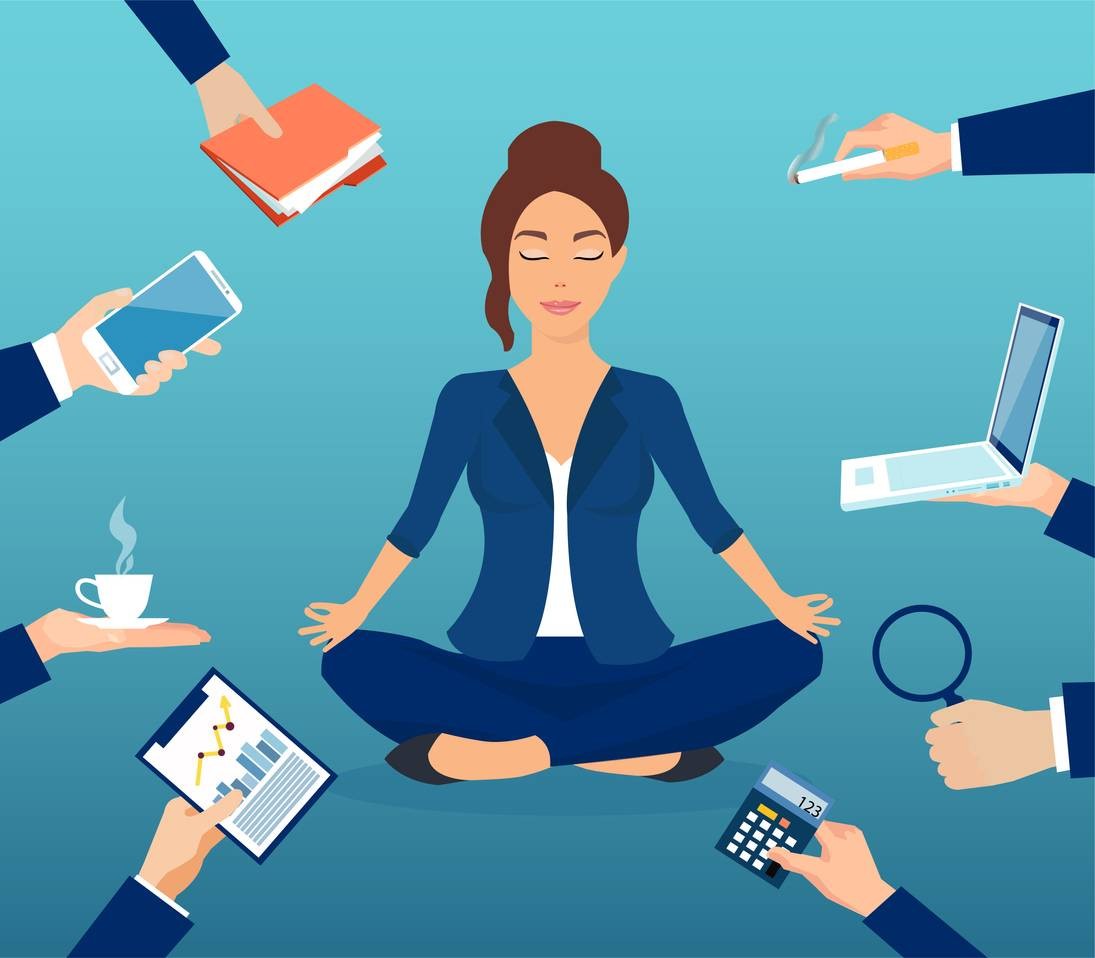
Hey there, friend! Ever feel like you're juggling flaming torches while riding a unicycle on a tightrope? Yeah, that's pretty much what modern life feels like sometimes. We're bombarded with deadlines, emails, social media notifications, family obligations – the list is endless! It's like our brains are constantly running a dozen different apps simultaneously, and frankly, that's a surefire recipe for a spectacular burnout. You might think, "Oh, I'm fine, I thrive under pressure!" But let's be real, consistently operating at peak stress levels is about as sustainable as a chocolate teapot. We all know the feeling – the tension headaches, the sleepless nights, the constant feeling of being overwhelmed. It creeps in slowly, like that one weed you keep ignoring in your garden, until suddenly, your whole life feels choked by it. The truth is, stress isn't just a minor inconvenience; it’s a sneaky saboteur that can wreak havoc on our physical and mental health. Think heart problems, weakened immune systems, anxiety, depression... the consequences are serious. And let's not forget the impact on our relationships! Nobody wants to be around a perpetually stressed-out grump (no offense, we've all been there!).
Stress: The Uninvited Guest
Now, before you start picturing me as some kind of zen master who effortlessly glides through life on a cloud of serenity, let me assure you, I'm not. I've been there, done that, bought the stress-induced-hair-loss t-shirt. But over the years, I've learned a few tricks to manage the chaos and reclaim some semblance of balance. And that's exactly what I want to share with you today. We're going to dive deep into the world of stress management, exploring practical techniques that you can actually implement in your daily life. This isn't some fluffy, new-age mumbo jumbo; it's about equipping you with the tools you need to navigate the inevitable storms of life without capsizing. Imagine a life where you feel more in control, where you can handle challenges with grace and resilience, and where you actually have time to enjoy the good stuff. Sounds good, right? So, stick around, because we're about to embark on a journey to transform your relationship with stress and create a life that's not just manageable, but truly fulfilling. Ever wondered if you can truly 'stress-proof' your life? Let's find out!
Unlocking Inner Peace: Your Guide to Stress Management
Alright, friends, let's get down to brass tacks. We're not going to magically eliminate stress from your life – that's about as realistic as finding a unicorn that poops gold. But we can learn to manage it effectively, so it doesn't control us. Think of it like surfing: you can't stop the waves from coming, but you can learn to ride them.
• Identify Your Stressors: Know Your Enemy
This might sound obvious, but it's often the most overlooked step. What exactly is causing your stress? Is it work deadlines? Relationship issues? Financial worries? Take some time to really think about it and write it down. Creating a "stress inventory" can be incredibly helpful. It's like shining a spotlight on the shadowy figures lurking in your mind. For example, maybe you realize that you consistently feel stressed on Monday mornings because you dread your weekly team meeting. Or perhaps you discover that scrolling through social media before bed is triggering anxiety. Once you identify your specific stressors, you can start developing strategies to address them directly.
• Master the Art of Time Management: Reclaim Your Day
Feeling overwhelmed often stems from a lack of control over your time. Implementing effective time management techniques can make a huge difference. Try the Pomodoro Technique (working in focused 25-minute intervals with short breaks), prioritize tasks using the Eisenhower Matrix (urgent/important), or simply create a daily to-do list and stick to it. The key is to break down large, daunting tasks into smaller, more manageable chunks. Think of it like eating an elephant – you wouldn't try to swallow it whole, would you? Small bites, my friend, small bites. I personally use google calendar. It sends notifications when I need to take a break and when to focus on important tasks.
• Practice Mindfulness and Meditation: Find Your Center
Mindfulness is simply paying attention to the present moment without judgment. It's about being fully aware of your thoughts, feelings, and sensations without getting caught up in them. Meditation is a powerful tool for cultivating mindfulness. Even just a few minutes of meditation each day can significantly reduce stress and improve your overall well-being. There are tons of free guided meditation apps available (Headspace, Calm, Insight Timer) that make it easy to get started. Don't worry if your mind wanders – that's perfectly normal. Just gently redirect your attention back to your breath or the guided meditation. For example, try this: Close your eyes, take a deep breath in, and as you exhale, release any tension you're holding in your body. Repeat this a few times, focusing on the sensation of your breath. You might be surprised at how much calmer you feel afterward. There is one specific type of meditation that I love and use. It's the walking meditation. It's when you are walking and focus on the sensations of your body. For example, what does your feet feel while stepping. What does your arms feel as it moves with your body. How does air feel when entering your nose.
• Embrace the Power of Physical Activity: Move Your Body, Calm Your Mind
Exercise isn't just good for your body; it's also a fantastic stress reliever. When you exercise, your body releases endorphins, which have mood-boosting effects. Find an activity you enjoy, whether it's running, swimming, dancing, yoga, or even just taking a brisk walk. Aim for at least 30 minutes of moderate-intensity exercise most days of the week. Remember, it's about progress, not perfection. Don't feel like you need to become a marathon runner overnight. Start small and gradually increase the intensity and duration of your workouts. I love playing soccer every sunday with my friends, it really helps me calm down and be happy.
• Nurture Your Social Connections: Lean on Your Tribe
Humans are social creatures, and we thrive on connection. Spending time with loved ones, talking to friends, or joining a community group can provide valuable support and reduce feelings of isolation. Don't underestimate the power of a good conversation or a heartfelt hug. When you're feeling stressed, reach out to someone you trust and share what you're going through. You might be surprised at how much better you feel simply by talking about it. I remember when I was overwhelmed because I was stressed by college applications. I felt alone and depressed. Luckily I had a really good friend, he listened to what I had to say and gave some advice. I am forever grateful for that friend.
• Practice Self-Care: Prioritize Your Well-being
Self-care isn't selfish; it's essential. It's about taking care of your physical, emotional, and mental health so you can be the best version of yourself. This might involve taking a relaxing bath, reading a good book, listening to music, spending time in nature, or pursuing a hobby you enjoy. The key is to identify activities that nourish your soul and make time for them regularly. It could be as simple as making yourself a cup of tea and sitting in silence for a few minutes. Or maybe it's taking a long walk in the park. Whatever it is, make sure it's something that brings you joy and helps you recharge. Once a week I like to watch anime and play video games as a way to relax and forget about the responsibilities in life.
• Set Boundaries: Say "No" to Protect Your Energy
Learning to say "no" is crucial for managing stress. We often feel pressured to say "yes" to everything, even when we're already feeling overwhelmed. But constantly overcommitting yourself will only lead to burnout. It's okay to decline requests that you don't have the time or energy for. Be assertive but polite, and explain your reasons for saying no.Remember, your time and energy are valuable resources, and you have the right to protect them. A friend once wanted me to volunteer at a place. However, I knew I didn't have enough time so I politely declined. My friend respected my choice.
• Cultivate Gratitude: Focus on the Good
Gratitude is a powerful antidote to stress and negativity. Taking time each day to appreciate the good things in your life can shift your perspective and boost your mood. Keep a gratitude journal and write down things you're grateful for, no matter how small. It could be anything from a beautiful sunset to a delicious meal to a kind gesture from a friend. Focusing on the positive aspects of your life can help you feel more optimistic and resilient in the face of challenges. I am grateful to have a home to live in and food to eat. Sometimes I wonder how it is to live without such basic necessities.
• Seek Professional Help: Don't Be Afraid to Ask for Support
If you're struggling to manage stress on your own, don't hesitate to seek professional help. A therapist or counselor can provide you with valuable support and guidance, and help you develop coping strategies tailored to your specific needs. There's no shame in asking for help; it's a sign of strength, not weakness. Think of it like going to the doctor when you have a physical ailment. Mental health is just as important as physical health, and it's okay to seek professional care when you need it.
Frequently Asked Questions
Okay, let's tackle some common questions about stress management:
Question 1: What is the best way to quickly relieve stress in the moment?
Answer: Several techniques can provide immediate relief. Deep breathing exercises, like the 4-7-8 method (inhale for 4 seconds, hold for 7 seconds, exhale for 8 seconds), can calm your nervous system. Progressive muscle relaxation, where you tense and release different muscle groups, can also be effective. Other options include taking a short walk, listening to calming music, or practicing a quick mindfulness exercise. The key is to find what works best for you and have those tools readily available.
Question 2: How can I prevent stress from building up in the first place?
Answer: Prevention is always better than cure! The strategies we discussed earlier, such as time management, regular exercise, and self-care, are crucial for preventing stress from accumulating. Additionally, make sure you're getting enough sleep, eating a healthy diet, and limiting your intake of caffeine and alcohol. Building a strong foundation of physical and mental well-being will make you more resilient to stress.
Question 3: Are there any natural supplements that can help with stress?
Answer: Some natural supplements have been shown to have calming effects, such as magnesium, L-theanine, and ashwagandha. However, it's important to talk to your doctor before taking any supplements, especially if you're already taking medication. Supplements can interact with medications and may not be suitable for everyone.
Question 4: How do I deal with stress caused by difficult people?
Answer: Dealing with difficult people can be a major source of stress. The first step is to set boundaries and limit your interactions with them as much as possible. When you do have to interact, try to remain calm and assertive, and avoid getting drawn into arguments. Focus on what you can control – your own reactions and behavior – and let go of what you can't. Techniques like deep breathing and mindfulness can help you stay grounded in the moment. If the situation is consistently causing you significant stress, consider seeking professional help to develop coping strategies.
Embrace the Journey to a Balanced Life
So, friends, we've covered a lot of ground today. We've explored the nature of stress, identified practical techniques for managing it, and addressed some common questions. Remember, building a balanced life is a journey, not a destination. There will be ups and downs, good days and bad days. The key is to be patient with yourself, to experiment with different strategies, and to find what works best for you. Don't get discouraged if you slip up or if you don't see results immediately. Just keep practicing, keep learning, and keep striving for progress, not perfection. The ability to manage stress effectively is a skill that will serve you well throughout your life. It will improve your physical and mental health, strengthen your relationships, and enable you to pursue your goals with greater clarity and focus. So, take what you've learned today and start implementing it in your daily life. Start small, be consistent, and celebrate your successes along the way. And most importantly, remember that you're not alone in this journey. We all struggle with stress from time to time. But by sharing our experiences, supporting each other, and learning from each other, we can create a world where everyone feels more empowered to live a balanced and fulfilling life. Now, go out there and reclaim your peace of mind. What small step will you take today to reduce stress and create more balance in your life? I encourage you to choose one technique from this article and commit to practicing it for at least a week. You might be surprised at the positive impact it has on your well-being. You have the power to transform your relationship with stress and create a life that's not just manageable, but truly joyful. Believe in yourself, and remember that you are capable of amazing things!

Post a Comment for "Stress Management: Techniques for a Balanced Life"
Post a Comment