Herbal Teas for Relaxation: A Guide to Calming Brews
Sip Your Way to Serenity: The Ultimate Herbal Tea Guide for Relaxation
Hey there, friend! Ever feel like you're running a marathon...in your mind? We all do. Life throws curveballs, deadlines loom, and sometimes, you just need a darn good way to unwind without resorting to questionable reality TV or endlessly scrolling through social media. Enter: the magnificent world of herbal teas! Think of them as a warm, hug in a mug, ready to chase away stress and usher in tranquility. Now, I know what you might be thinking: "Tea? That's for my grandma!" But trust me, these aren't your average, run-of-the-mill teabags. We're talking about potent, plant-powered elixirs that have been used for centuries to soothe the soul. Remember that time you were up all night before that big presentation? Or when your toddler decided 3 AM was playtime? Yeah, herbal teas can help you avoid those situations, or at least deal with them more calmly! Forget counting sheep; let's count chamomile flowers instead! So, grab your favorite mug, settle in, and let's dive into the world of calming brews. Ready to discover the secrets to a more relaxed you, one delicious sip at a time? Let's get brewing!
Unlocking the Power of Herbal Teas for Relaxation
Okay, friends, let's get down to the nitty-gritty. We're not just talking about any old tea here. We're talking about specific herbal concoctions designed to gently coax your nervous system into a state of blissful calm. These aren't magic potions, mind you (though they might feel like it sometimes!), but rather carefully selected herbs with properties known to promote relaxation and reduce stress.
The Science Behind the Sip
Before we jump into specific teas, let’s quickly peek behind the curtain and understand why these herbal infusions work. Many calming herbs contain compounds that interact with neurotransmitters in your brain, such as GABA (gamma-aminobutyric acid). GABA is like your brain's chill-out button, helping to reduce anxiety and promote relaxation. Other herbs contain antioxidants and anti-inflammatory agents that can help combat the physical effects of stress on your body. It's like giving your body a tiny spa day with every cup!
The A-List of Calming Herbs
Alright, enough science talk! Let's get to the good stuff – the herbs themselves. Here are some of the most popular and effective herbs for promoting relaxation:
-
Chamomile: The Classic Calmer
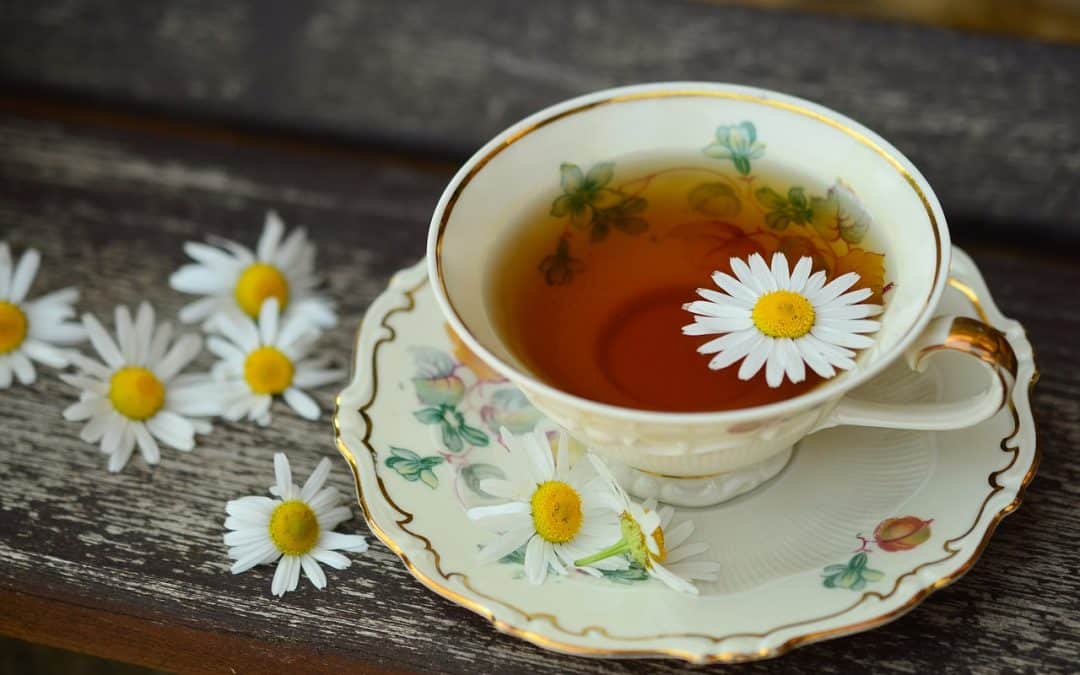
Ah, chamomile. The queen of relaxation. This delicate flower is renowned for its gentle sedative properties. It's often used to ease anxiety, promote sleep, and soothe an upset stomach. Think of it as a warm blanket for your insides. Fun fact: Chamomile has been used for centuries, dating back to ancient Egypt, where it was used to treat fevers and nervous disorders. Brew a cup before bed and let its floral aroma lull you into a peaceful slumber.
-
Lavender: More Than Just a Pretty Smell
Lavender isn't just for fancy soaps and potpourri! This fragrant herb boasts powerful calming properties. Studies have shown that lavender can help reduce anxiety, improve sleep quality, and even alleviate headaches. The scent alone is enough to transport you to a field of purple bliss. Try adding a few drops of lavender essential oil to your diffuser while you sip your tea for an extra dose of relaxation. You can also add lavender directly to your chamomile tea! But always use culinary grade lavender!
-
Lemon Balm: The Mood Booster
Feeling frazzled and down? Lemon balm might be your new best friend. This citrusy herb has been shown to improve mood, reduce stress, and boost cognitive function. It's like sunshine in a cup! A 2014 study showed that lemon balm can decrease anxiety and improve cognitive performance. Lemon balm’s calming effects are perfect for those days when you need a little extra pep in your step without the jitters.
-
Passionflower: The Anxiety Alleviator
Passionflower is a potent herb traditionally used to treat anxiety and insomnia. It's believed to work by increasing levels of GABA in the brain, promoting a sense of calm and relaxation. Passionflower is stronger than other herbs, so you need to be cautious when using it. Passionflower is often combined with other calming herbs like chamomile or valerian root for a synergistic effect.
-
Valerian Root: The Sleep Superstar
Having trouble catching those Zzz's? Valerian root might be the answer. This potent herb has been used for centuries to treat insomnia and anxiety. It's believed to work by increasing levels of GABA in the brain, promoting a sense of calm and relaxation. Be warned: valerian root has a rather pungent aroma, so you might want to mix it with other herbs to mask the smell. Despite its smell, studies have consistently shown valerian root to be an effective sleep aid, particularly for those struggling with insomnia.
-
Peppermint: The Unexpected Relaxer
Okay, I know what you're thinking: "Peppermint? That's for upset stomachs!" And you're not wrong! But peppermint also has surprising relaxing properties. The menthol in peppermint can help relax muscles, ease tension headaches, and soothe digestive issues, all of which can contribute to stress and anxiety. Plus, the refreshing aroma is incredibly uplifting. Next time you're feeling overwhelmed, brew a cup of peppermint tea and feel your worries melt away.
Crafting Your Perfect Calming Brew
Now that you know the key players, let's talk about how to brew the perfect cup of calming tea:
-
Choose Quality Ingredients
This might seem obvious, but it's worth emphasizing. Opt for organic, loose-leaf herbs whenever possible. Avoid tea bags that contain "dust" or "fannings," which are low-quality tea particles that lack flavor and nutrients. Look for reputable brands that source their herbs ethically and sustainably. The better the ingredients, the better the brew!
-
Master the Art of Steeping
Different herbs require different steeping times and temperatures. Generally, you'll want to use hot (but not boiling) water and steep for 5-10 minutes. Check the packaging for specific instructions. Steeping too long can result in a bitter taste, while not steeping long enough will result in a weak brew. Experiment and find what works best for your taste buds.
-
Embrace the Ritual
Making tea shouldn't be a rushed affair. Take your time, savor the process, and turn it into a mindful ritual. Light a candle, put on some soothing music, and focus on the present moment. The act of brewing and sipping tea can be just as relaxing as the tea itself. Treat it like a mini-meditation session.
-
Customize Your Blend
Don't be afraid to experiment and create your own custom blends! Combine different herbs to create a tea that addresses your specific needs and preferences. For example, you might try a blend of chamomile, lavender, and lemon balm for a calming and uplifting bedtime tea. Get creative and have fun!
-
Listen to Your Body
Pay attention to how different herbs affect you. What works for one person might not work for another. Start with small amounts and gradually increase as needed. If you experience any adverse effects, discontinue use and consult with a healthcare professional. Your body knows best!
Beyond the Mug: Incorporating Herbal Teas into Your Daily Routine
Herbal teas aren't just for bedtime! Here are some other ways to incorporate them into your daily routine:
-
Start Your Day with a Calming Cup
Instead of reaching for that caffeine-laden coffee, try starting your day with a cup of lemon balm or peppermint tea. It'll provide a gentle energy boost without the jitters and crash.
-
Beat the Afternoon Slump
Feeling sluggish after lunch? Reach for a cup of peppermint or ginger tea. The invigorating aromas will help you power through the afternoon slump.
-
De-Stress After Work
Unwind after a long day with a cup of chamomile or lavender tea. Sip it slowly while you relax and let go of the day's stresses.
-
Create a Bedtime Ritual
Make a cup of chamomile or valerian root tea part of your bedtime routine. It'll signal to your body that it's time to wind down and prepare for sleep.
-
Use Tea as a Self-Care Tool
Whenever you're feeling stressed, anxious, or overwhelmed, reach for a cup of herbal tea. It's a simple and effective way to practice self-care and nurture your well-being.
Navigating the Herbal Tea Landscape: A Few Words of Caution
While herbal teas are generally safe, it's important to be aware of a few potential risks and precautions:
-
Drug Interactions
Some herbs can interact with certain medications. If you're taking any medications, talk to your doctor or pharmacist before consuming herbal teas.
-
Allergies
If you have allergies to certain plants, be cautious when trying new herbal teas. Start with a small amount and watch for any allergic reactions.
-
Pregnancy and Breastfeeding
Some herbs are not safe to consume during pregnancy or breastfeeding. Consult with your doctor or midwife before consuming herbal teas if you are pregnant or breastfeeding.
-
Quality Control
Not all herbal tea products are created equal. Choose reputable brands that adhere to strict quality control standards to ensure you're getting a safe and effective product.
Frequently Asked Questions About Herbal Teas for Relaxation
Let's tackle some common questions about herbal teas for relaxation:
-
Can herbal teas really help with anxiety?
Yes, many herbal teas have been shown to have calming and anti-anxiety effects. Herbs like chamomile, lavender, and lemon balm can help reduce stress and promote relaxation.
-
How long does it take for herbal teas to work?
The effects of herbal teas can vary depending on the individual and the specific herb. Some people may feel the effects within minutes, while others may need to consume tea regularly for several days or weeks to notice a difference.
-
Are there any side effects to drinking herbal teas?
Herbal teas are generally safe, but some people may experience side effects such as allergic reactions, digestive upset, or drug interactions. It's important to be aware of potential risks and consult with a healthcare professional if you have any concerns.
-
Can I drink herbal teas every day?
Most herbal teas are safe to drink daily in moderation. However, it's important to listen to your body and avoid overconsumption. Some herbs, like valerian root, may cause drowsiness and should be used with caution during the day.
So there you have it, friends! Your ultimate guide to using herbal teas for relaxation. Remember, incorporating these calming brews into your daily routine is a simple and effective way to manage stress, improve sleep, and nurture your overall well-being. Now, it's time to put the kettle on, brew yourself a cup of serenity, and savor the moment. What herbal tea are you most excited to try? Share your thoughts in the comments below!

Post a Comment for "Herbal Teas for Relaxation: A Guide to Calming Brews"
Post a Comment