Herbal Teas for Relaxation: A Guide to Calming Brews
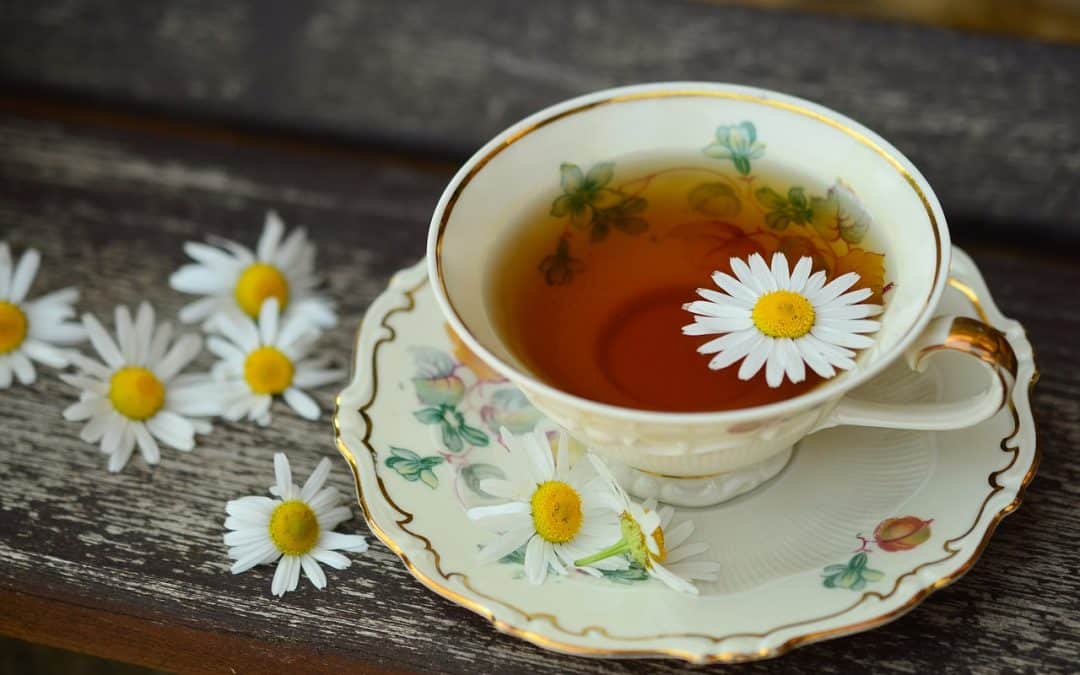
Sip Your Way to Serenity: Unlocking Calm with Herbal Teas
Hey friends! Ever feel like you're running on fumes, juggling a million things, and your brain just won't. stop. buzzing? Yeah, me too. Life these days is basically a non-stop notification parade, and finding a moment of peace can feel like searching for a unicorn riding a bicycle. We're constantly bombarded with demands, deadlines, and the ever-present glow of our screens. It's no wonder so many of us are walking around with shoulders tighter than a drum and minds racing faster than a Formula 1 car. But what if I told you there was a delicious, simple, and surprisingly effective way to dial down the chaos and find a little oasis of calm in your day?
Think about it: you get home after a long day, the kids are finally (maybe) asleep, the emails are piling up, and the to-do list is mocking you from the kitchen counter. Instead of reaching for that glass of wine (no judgment!), what if you brewed yourself a cup of something warm, fragrant, and naturally soothing? Something that could gently coax your nervous system into chill mode and help you actually, truly relax?
We're talking about herbal teas, my friends! Not just any tea, but specific blends crafted by Mother Nature herself to help us unwind, de-stress, and maybe even get a decent night's sleep. I know, I know, it sounds almost too good to be true. Like some kind of hippie-dippie remedy your grandma used to swear by. But trust me, there's some serious science backing up the power of these calming brews. We are surrounded with research that proves that herbal teas are more than just a placebo effect. They contain natural compounds that can interact with our brains and bodies to promote relaxation and reduce anxiety.
So, if you're ready to ditch the constant state of overwhelm and embrace a little bit of tranquility, stick around. We're about to dive deep into the wonderful world of herbal teas for relaxation. We'll explore some of the most effective herbs, learn how to brew the perfect cup, and even discover some fun and creative ways to incorporate these calming brews into your daily routine. Ready to find your inner zen, one sip at a time?
The Science of Serenity: How Herbal Teas Calm Your Mind
Okay, so before we get to the delicious part (the actual tea!), let's talk a little bit about the science behind why these herbal concoctions work. It's not just magic, although sometimes it feels like it! Many herbs contain compounds that interact with our central nervous system, influencing neurotransmitters like GABA, serotonin, and dopamine – the chemical messengers responsible for regulating mood, sleep, and stress levels. Let's break it down further:
GABA Activation
GABA (gamma-aminobutyric acid) is your brain's natural chill pill. It's a neurotransmitter that helps to inhibit nerve impulses, effectively slowing down brain activity and promoting relaxation. Certain herbs, like chamomile and valerian root, have been shown to increase GABA activity in the brain, leading to a calming and anti-anxiety effect. Think of it as giving your brain a gentle hug and telling it to take a deep breath.
Serotonin Boost
Serotonin is another key player in mood regulation. It's often referred to as the "happy hormone" because it contributes to feelings of well-being and happiness. Herbs like lavender and St. John's Wort (although St. John's Wort interacts with many medications so consult a doctor first!) may help to boost serotonin levels, which can improve mood and reduce feelings of anxiety and depression.
Stress Hormone Regulation
When we're stressed, our bodies release cortisol, the primary stress hormone. While cortisol is essential for survival (it's what kicks in during a "fight or flight" situation), chronically elevated cortisol levels can wreak havoc on our health, leading to anxiety, insomnia, and even weight gain. Certain herbs, like ashwagandha and holy basil (also known as tulsi), are adaptogens, meaning they help the body adapt to stress and regulate cortisol levels. These herbs act like a thermostat for your stress response, helping to keep it balanced and prevent it from going into overdrive.
So, now that we know a little bit about the science, let's move on to the good stuff: the herbs themselves!
The Relaxation All-Stars: Herbal Teas to Soothe Your Soul
There are countless herbs out there, each with its own unique properties and benefits. But when it comes to relaxation, a few stand out as true all-stars. Here are some of my favorites, along with tips on how to use them:
• Chamomile: The Classic Calmer.
Ah, chamomile. The queen of relaxation. This gentle herb has been used for centuries to promote sleep, reduce anxiety, and soothe upset stomachs. It contains a compound called apigenin, which binds to receptors in the brain that promote relaxation. Chamomile tea has a mild, floral flavor and is perfect for sipping before bed. Look for German chamomile, which is generally considered to be more potent than Roman chamomile.
How to Brew: Use 1-2 teaspoons of dried chamomile flowers per cup of hot water. Steep for 5-10 minutes.
• Lavender: The Aromatic Anxiety Buster.
Lavender isn't just for fancy soaps and bath bombs! The scent of lavender has been shown to reduce anxiety, improve mood, and promote sleep. Lavender tea has a delicate, floral flavor and is incredibly soothing. You can also add a few drops of lavender essential oil to your diffuser to create a calming atmosphere.
How to Brew: Use 1-2 teaspoons of dried lavender buds per cup of hot water. Steep for 5-10 minutes.
Pro Tip: Combine lavender with chamomile for an extra calming brew.
• Peppermint: The Stress-Relieving Refresher.
While not traditionally known for relaxation like chamomile or lavender, peppermint tea can actually help to ease stress and tension. The menthol in peppermint helps to relax muscles, which can be especially helpful if you're experiencing tension headaches or digestive upset caused by stress. Peppermint tea is also incredibly refreshing and can help to clear your mind.
How to Brew: Use 1-2 teaspoons of dried peppermint leaves per cup of hot water. Steep for 5-7 minutes.
• Lemon Balm: The Mood-Boosting Miracle.
Lemon balm is a member of the mint family and has a bright, citrusy flavor. It has been shown to improve mood, reduce anxiety, and promote sleep. Lemon balm contains compounds that increase GABA activity in the brain, similar to chamomile. It's also a great herb to combine with other calming herbs for a synergistic effect.
How to Brew: Use 1-2 teaspoons of dried lemon balm leaves per cup of hot water. Steep for 5-7 minutes.
• Valerian Root: The Sleep-Inducing Superstar.
Valerian root is a powerful herb that has been used for centuries to treat insomnia. It contains compounds that increase GABA activity in the brain, leading to a sedative effect. Valerian root tea has a strong, earthy flavor that some people find unpleasant, so it's often combined with other herbs like chamomile or lemon balm. It's best to take valerian root tea before bed, as it can make you feel drowsy.
How to Brew: Use 1 teaspoon of dried valerian root per cup of hot water. Steep for 5-10 minutes. Start with a small amount and increase as needed.
Caution: Valerian root can interact with certain medications, so it's important to talk to your doctor before using it, especially if you are pregnant or breastfeeding.
• Passionflower: The Anxiety-Melting Marvel.
Passionflower is another herb that has been shown to reduce anxiety and improve sleep. It contains compounds that increase GABA activity in the brain and may also affect serotonin levels. Passionflower tea has a mild, slightly earthy flavor and is often combined with other calming herbs like chamomile or lemon balm.
How to Brew: Use 1-2 teaspoons of dried passionflower leaves per cup of hot water. Steep for 5-10 minutes.
• Holy Basil (Tulsi): The Adaptogenic Ace.
Holy basil, also known as tulsi, is an adaptogenic herb that helps the body adapt to stress. It has been used for centuries in Ayurvedic medicine to promote overall well-being. Holy basil tea has a slightly spicy, clove-like flavor and is often combined with other herbs like ginger or lemon.
How to Brew: Use 1-2 teaspoons of dried holy basil leaves per cup of hot water. Steep for 5-10 minutes.
• Ashwagandha: The Stress-Shielding Superhero.
Ashwagandha is another powerful adaptogen that helps to regulate cortisol levels and reduce stress. It has been shown to improve sleep, reduce anxiety, and boost energy levels. Ashwagandha tea has a slightly bitter flavor, so it's often combined with other herbs like honey or cinnamon.
How to Brew: Use 1/2-1 teaspoon of ashwagandha powder per cup of hot water. Steep for 5-10 minutes. You can also find ashwagandha in tea bags.
Caution: Ashwagandha can interact with certain medications, so it's important to talk to your doctor before using it, especially if you are pregnant or breastfeeding.
Brewing Bliss: Tips for the Perfect Cup of Calming Tea
Now that you know which herbs to use, let's talk about how to brew the perfect cup of calming tea. Here are a few tips to keep in mind:
• Use High-Quality Water:
The quality of your water can significantly impact the taste of your tea. Use filtered or spring water for the best results. Avoid using tap water, which may contain chlorine or other impurities.
• Heat the Water to the Right Temperature:
Different herbs require different water temperatures for optimal extraction of their beneficial compounds. Generally, delicate herbs like chamomile and lavender should be brewed with water that is slightly below boiling (around 170-185°F), while more robust herbs like valerian root and ashwagandha can be brewed with boiling water.
• Steep for the Right Amount of Time:
Steeping time is also crucial for extracting the maximum benefits from your herbs. Generally, most herbal teas should be steeped for 5-10 minutes. Steeping for too long can result in a bitter taste, while steeping for too short can result in a weak tea.
• Cover Your Tea While Steeping:
Covering your tea while it steeps helps to trap the volatile oils, which contain many of the beneficial compounds. This will result in a more flavorful and potent tea.
• Experiment with Blends:
Don't be afraid to experiment with different combinations of herbs to create your own custom calming blends. Try combining chamomile with lavender, lemon balm with passionflower, or holy basil with ginger. The possibilities are endless!
• Sweeten Naturally (Optional):
If you prefer a sweeter tea, avoid using refined sugar. Instead, opt for natural sweeteners like honey, maple syrup, or stevia.
Beyond the Brew: Incorporating Herbal Teas into Your Daily Routine
Drinking herbal tea is a wonderful way to relax, but you can also incorporate these calming herbs into your daily routine in other creative ways:
• Aromatic Baths:
Add a few drops of lavender or chamomile essential oil to your bathwater for a relaxing and aromatic experience.
• Herbal Compresses:
Soak a cloth in warm chamomile or lavender tea and apply it to your forehead or temples to relieve tension headaches.
• DIY Herbal Sachets:
Fill small cloth bags with dried lavender, chamomile, or lemon balm and place them under your pillow to promote sleep.
• Essential Oil Diffusers:
Diffuse calming essential oils like lavender, chamomile, or sandalwood to create a relaxing atmosphere in your home.
• Mindful Tea Rituals:
Turn your tea-drinking into a mindful ritual. Find a quiet space, focus on your breath, and savor each sip. Let the warmth and aroma of the tea soothe your senses and calm your mind.
Herbal Teas: Addressing Common Concerns
I understand that venturing into the world of herbal remedies might bring up some questions. Let's address some of the common concerns people often have about herbal teas.
• Are herbal teas safe for everyone?
While generally safe, it's essential to be mindful of potential allergies or interactions with medications. If you are pregnant, breastfeeding, or have any underlying health conditions, it's best to consult with your doctor before incorporating new herbal teas into your diet.
• Can I drink herbal teas every day?
Most herbal teas are safe to consume daily in moderation. However, it's good to vary your choices to prevent overexposure to any one particular herb. For instance, valerian root, due to its potent sedative effects, might not be the best choice for daily, long-term consumption without professional guidance.
• Where can I buy high-quality herbal teas?
Look for reputable brands that source their herbs sustainably and organically. Local health food stores, specialty tea shops, and online retailers are good places to start. Check the labels for certifications that ensure quality and purity.
• How do I store herbal teas?
To maintain their freshness and potency, store herbal teas in airtight containers away from direct sunlight, heat, and moisture. A cool, dark pantry or cabinet is ideal.
Frequently Asked Questions (FAQs)
Let's tackle some common questions you might have about using herbal teas for relaxation:
• Q: Can herbal teas really help with anxiety?
A: Yes, many herbal teas contain compounds that interact with the brain and nervous system to promote relaxation and reduce anxiety symptoms. Herbs like chamomile, lavender, and lemon balm have been shown to have calming effects.
• Q: How long does it take for herbal teas to work?
A: The effects of herbal teas can vary from person to person. Some people may feel a sense of calm and relaxation within minutes of drinking a cup, while others may need to drink herbal tea regularly for a few days or weeks to experience the full benefits.
• Q: Can I drink herbal tea if I'm taking medication?
A: Some herbal teas can interact with certain medications, so it's important to talk to your doctor or pharmacist before using them, especially if you are taking prescription drugs.
• Q: Are there any side effects of drinking herbal tea?
A: Most herbal teas are generally safe, but some people may experience mild side effects such as drowsiness, upset stomach, or allergic reactions. If you experience any adverse effects, stop using the herbal tea and consult with your doctor.
The Takeaway: Your Path to Peaceful Sips
So, there you have it, friends! A comprehensive guide to the wonderful world of herbal teas for relaxation. We've explored the science behind their calming effects, discovered some of the most effective herbs, learned how to brew the perfect cup, and even discussed creative ways to incorporate these brews into your daily routine. It's time to embark on a journey of peaceful sips, where each cup brings you closer to serenity. You now have the knowledge and tools to start using herbal teas to soothe your soul, reduce stress, and improve your overall well-being. Embrace the wisdom of nature, experiment with different herbs, and create your own personalized calming rituals. And just think that all of it started with a simple cup of tea.
Now, I challenge you to take action! Choose one or two of the herbal teas we discussed and try incorporating them into your daily routine for a week. Pay attention to how you feel – are you sleeping better? Are you feeling less anxious? Are you more relaxed and focused? Share your experiences in the comments below! What are your favorite calming brews, and how do you incorporate them into your daily life?
Remember, finding inner peace is a journey, not a destination. Be patient with yourself, embrace the process, and enjoy the journey, one calming sip at a time. Why not start right now by brewing yourself a cup of your favorite herbal tea? You deserve it!

Post a Comment for "Herbal Teas for Relaxation: A Guide to Calming Brews"
Post a Comment