Heart-Healthy Meal Ideas for Every Day
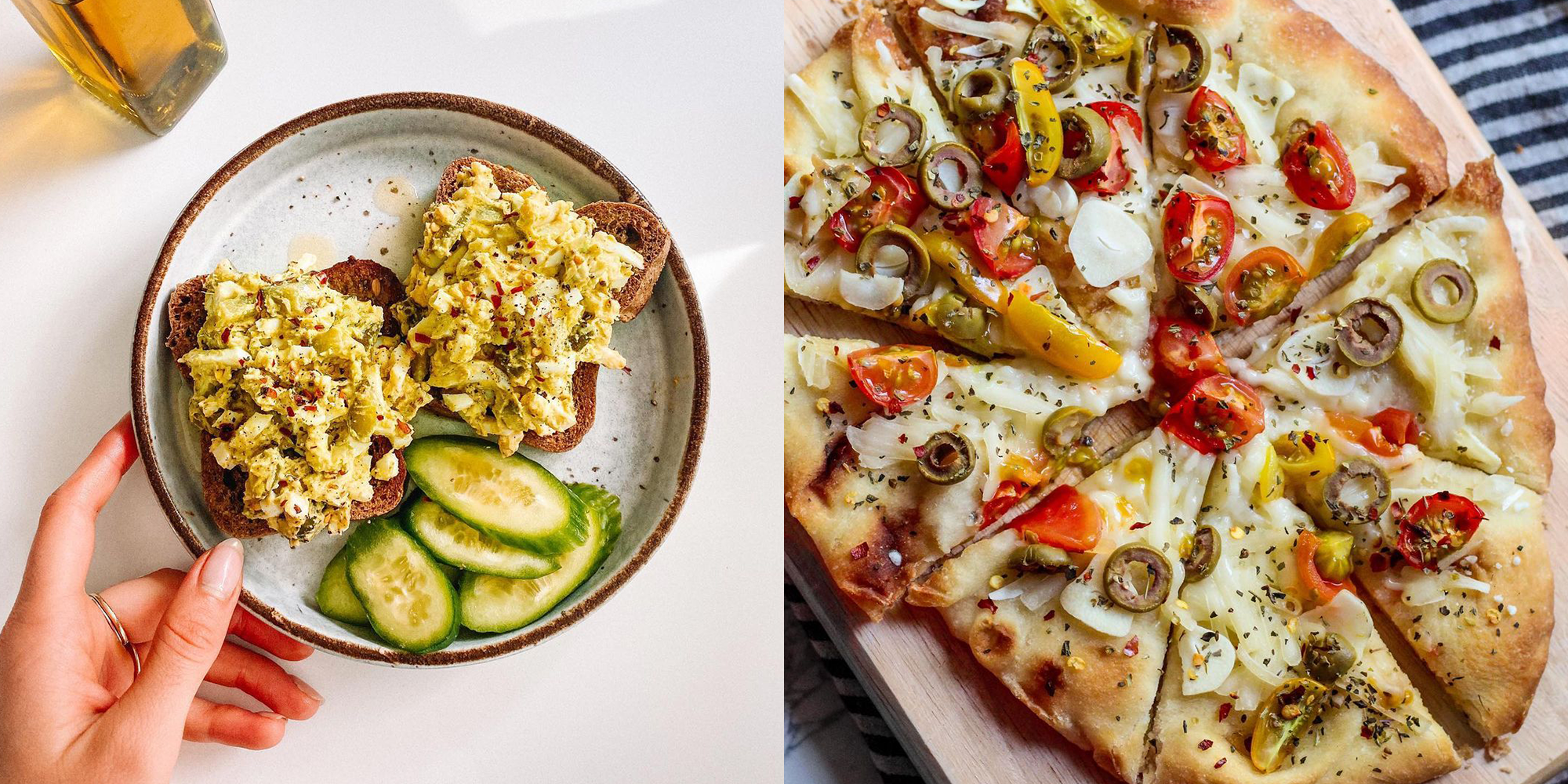
Deliciously Healthy: Heart-Smart Meals for Your Everyday Life
Hey there, food lovers! Ever feel like you're stuck in a dinner rut, tossing between what tastes good and what's actually good for you? We've all been there. It's like your taste buds are throwing a party, while your arteries are sending out distress signals. Balancing those two can feel like trying to juggle flaming torches while riding a unicycle – tricky, to say the least. You might think, "Oh, healthy eating? That means bland chicken and steamed broccoli forever!" Trust me, I hear you, and I’m here to tell you that heart-healthy doesn't equal flavor-less. It's about making smart swaps and adding delicious ingredients that make your heart sing (in a good way!). Think vibrant veggies, lean proteins, and whole grains, all dancing together in a symphony of flavor. We're talking meals that not only make your cardiologist happy but also leave you feeling satisfied and energized. You know, the kind of energy that makes you want to conquer your to-do list, not just collapse on the couch after dinner. So, how do we bridge the gap between delicious and nutritious? How do we create meals that are both exciting and beneficial for our ticker? It's easier than you think! Forget the boring diet clichés; we're diving into a world of vibrant, flavorful, and easy-to-prepare heart-healthy meals. Are you ready to transform your plate and boost your heart health, one delicious bite at a time? Keep reading, because we're about to unlock the secrets to a heart-happy kitchen!
Let's face it, the sheer volume of information out there about healthy eating can be overwhelming. One minute, you're told to load up on carbs; the next, they're the enemy! It's enough to make anyone throw their hands up in the air and order a pizza (extra cheese, please!). But navigating the world of heart-healthy eating doesn't have to be a confusing maze. Think of it as an adventure, a culinary exploration where you discover new flavors and ingredients that nourish your body from the inside out. It's about making informed choices, understanding the power of different foods, and creating meals that are both satisfying and beneficial. Let's debunk some myths right off the bat. Heart-healthy eating isn't about deprivation; it's about abundance. Abundance of colorful fruits and vegetables, lean proteins, healthy fats, and whole grains. It's about filling your plate with foods that support your cardiovascular system, reduce inflammation, and keep your energy levels stable. It's also about moderation. A slice of cake on your birthday isn't going to derail your entire health journey. It's the daily habits, the consistent choices you make, that truly matter. I remember a time when I thought "healthy" meant sacrificing everything I loved. I imagined a life filled with only salads and the occasional sad-looking piece of grilled chicken. But then I started experimenting, exploring different spices, herbs, and cooking techniques. I discovered that I could create meals that were both incredibly flavorful and incredibly good for my heart. For example, swapping out butter for olive oil can add a fruity, peppery note to your dishes while also providing healthy fats. Or adding a sprinkle of turmeric to your soups and stews can boost the flavor and provide anti-inflammatory benefits. It's all about small changes that make a big difference. And it's not just about what you eat, but how you eat. Mindful eating, savoring each bite, and paying attention to your body's signals can help you feel more satisfied and prevent overeating. It's about creating a positive relationship with food, one where you nourish your body and enjoy every moment. So, are you ready to ditch the diet mentality and embrace a heart-healthy lifestyle that's both delicious and sustainable? Let's dive in!
Now, before you start picturing yourself chained to the stove, let me assure you: these heart-healthy meal ideas are designed for real life. They're quick, easy, and use ingredients you can easily find at your local grocery store. We're talking about meals that fit into your busy schedule, whether you're a working professional, a busy parent, or just someone who wants to spend less time cooking and more time enjoying life. Think of these recipes as building blocks, a foundation upon which you can create your own unique culinary masterpieces. Feel free to experiment with different spices, herbs, and vegetables to create dishes that suit your own taste preferences. And remember, there's no right or wrong way to do this. The most important thing is to find meals that you enjoy and that you can stick to in the long run. One of the biggest hurdles to healthy eating is the misconception that it's expensive. While it's true that some healthy ingredients can be pricey, there are plenty of affordable options available. Buying fruits and vegetables in season, choosing lean cuts of meat, and cooking at home are all ways to save money while still eating healthy. And don't underestimate the power of leftovers! Cooking a large batch of soup or stew on the weekend can provide you with several healthy and delicious meals throughout the week. It's all about planning ahead and making smart choices. I remember a time when I was on a tight budget and thought I couldn't afford to eat healthy. But then I started researching different recipes and discovered that I could create delicious and nutritious meals using inexpensive ingredients like beans, lentils, and brown rice. It's amazing how far a little creativity and resourcefulness can go. So, are you ready to embrace a heart-healthy lifestyle that's both delicious and affordable? Let's get cooking!
But wait, there's more! This isn't just about giving you a list of recipes. It's about empowering you with the knowledge and tools you need to make informed choices about your health. We're going to delve into the science behind heart-healthy eating, exploring the role of different nutrients and how they impact your cardiovascular system. We'll talk about the importance of limiting saturated and trans fats, reducing sodium intake, and increasing your fiber consumption. We'll also discuss the benefits of incorporating specific foods into your diet, such as fatty fish, nuts, and seeds. And we'll explore the connection between heart health and other aspects of your life, such as stress management, exercise, and sleep. Because, let's face it, heart health isn't just about what you eat; it's about your overall well-being. It's about creating a lifestyle that supports your cardiovascular system and allows you to live a long, healthy, and fulfilling life. I've always believed that knowledge is power. The more you understand about your body and how it works, the better equipped you are to make informed decisions about your health. That's why I'm so passionate about sharing this information with you. I want you to feel empowered, confident, and in control of your health. Because you deserve to live a life free from heart disease and full of energy and vitality. So, are you ready to unlock the secrets to a heart-healthy lifestyle that's both delicious and empowering? Keep reading, because we're just getting started!
Now that we've laid the groundwork, let's dive into the delicious details! Get ready to discover a treasure trove of heart-healthy meal ideas that will transform your kitchen and tantalize your taste buds. These aren't just recipes; they're gateways to a healthier, happier you. Are you ready to explore?
Heart-Healthy Meal Ideas to Kickstart Your Day
Breakfast is the most important meal of the day, right? Let's make it count with these heart-healthy options:
• Oatmeal Power Bowl:Who says oatmeal has to be boring? Top it with berries, nuts, and a sprinkle of cinnamon for a fiber-packed, antioxidant-rich start to your day. Think of it as a blank canvas – add chia seeds for extra omega-3s, flaxseed for lignans, or even a dollop of Greek yogurt for added protein. Real-life example: I used to be an oatmeal hater, but then I started experimenting with different toppings and now I'm hooked!
• Avocado Toast Upgrade:Elevate your avocado toast game by adding a sprinkle of red pepper flakes for a kick, a poached egg for protein, or a drizzle of balsamic glaze for sweetness. Avocado is packed with healthy fats, and the toppings add extra flavor and nutrients. Quick tip: Mash the avocado with a squeeze of lemon juice to prevent browning.
• Smoothie Sensation:Blend together fruits, vegetables, yogurt, and a source of healthy fats (like avocado or nut butter) for a quick and easy breakfast that's packed with nutrients. Get creative with your smoothie combinations! Try spinach, banana, almond milk, and peanut butter for a green smoothie that tastes like dessert.
Lunchtime Lovelies: Heart-Healthy Midday Meals
Say goodbye to sad desk lunches with these satisfying and heart-healthy options:
• Quinoa Salad Extravaganza:Combine cooked quinoa with roasted vegetables, chickpeas, and a lemon-herb dressing for a protein-packed and fiber-rich lunch that will keep you feeling full and energized all afternoon. Quinoa is a complete protein, meaning it contains all nine essential amino acids.
• Mediterranean Wrap Magic:Fill a whole-wheat wrap with hummus, cucumber, tomatoes, olives, and feta cheese for a flavorful and heart-healthy lunch that's easy to take on the go. Hummus is a great source of fiber and protein, and the vegetables add essential vitamins and minerals.
• Lentil Soup Superstar:Whip up a batch of lentil soup on the weekend and enjoy it for lunch throughout the week. Lentils are packed with fiber and protein, and the soup is a warming and comforting meal that's perfect for chilly days. Pro tip: Add a squeeze of lemon juice to brighten up the flavor.
Dinner Delights: Heart-Healthy Evening Eats
End your day on a delicious and heart-healthy note with these satisfying dinner ideas:
• Baked Salmon with Roasted Vegetables:Salmon is a rich source of omega-3 fatty acids, which are essential for heart health. Pair it with roasted vegetables like broccoli, carrots, and sweet potatoes for a colorful and nutritious meal. Fun fact: Omega-3s can help reduce inflammation and lower your risk of heart disease.
• Chicken Stir-Fry Sensation:Stir-fry chicken with a variety of colorful vegetables and a light soy sauce-based sauce. Serve over brown rice for a complete and heart-healthy meal. Use a variety of vegetables to maximize your nutrient intake. Bell peppers, broccoli, and snap peas are all great options.
• Black Bean Burgers Bonanza:Make your own black bean burgers and serve them on whole-wheat buns with your favorite toppings. Black beans are a great source of fiber and protein, and these burgers are a delicious and healthy alternative to traditional beef burgers. Spice things up by adding a pinch of chili powder or cumin to the burger mixture.
Snack Smart: Heart-Healthy Bites Between Meals
Keep hunger at bay with these satisfying and heart-healthy snacks:
• Apple Slices with Nut Butter:The fiber in the apple and the healthy fats in the nut butter will keep you feeling full and satisfied. Choose natural nut butters without added sugar or salt.
• Greek Yogurt with Berries:Greek yogurt is a great source of protein and calcium, and berries are packed with antioxidants. Add a sprinkle of granola for a little extra crunch.
• Trail Mix Triumph:Combine nuts, seeds, and dried fruit for a quick and easy snack that's packed with healthy fats, fiber, and protein. Be mindful of portion sizes, as trail mix can be high in calories.
Remember, these are just a few ideas to get you started. The key is to experiment, have fun, and find meals that you enjoy. By making small changes to your diet, you can make a big difference in your heart health. Let's continue this journey together!
Diving Deeper: Understanding the Science Behind Heart-Healthy Eating
Now that we've got a feast of meal ideas, let's delve into the "why" behind the what.Understanding the science behind heart-healthy eating empowers you to make informed choices and truly own your health journey. It's like understanding the mechanics of a car – you don't need to be a mechanic, but knowing how it works helps you take better care of it. So, let's rev up our engines and explore the fascinating world of cardiovascular health!
• The Fats Factor:Saturated vs. Unsaturated: Not all fats are created equal! Saturated fats (found in red meat, butter, and processed foods) can raise your LDL ("bad") cholesterol levels, increasing your risk of heart disease. Unsaturated fats (found in avocados, olive oil, and nuts) can actually lower your LDL cholesterol and protect your heart. Real-life swap: Instead of using butter to sauté your vegetables, try using olive oil. You'll add a delicious flavor and boost your intake of healthy fats.
• Sodium's Secret:The Silent Killer: Excessive sodium intake can raise your blood pressure, putting a strain on your heart. The American Heart Association recommends limiting your sodium intake to no more than 2,300 milligrams per day. Sneaky sources of sodium: Processed foods, canned soups, and restaurant meals are often loaded with sodium. Read labels carefully and choose low-sodium options whenever possible.
• Fiber's Fantastic Feat:The Digestive Dynamo: Fiber is a type of carbohydrate that your body can't digest. It helps lower cholesterol, regulate blood sugar levels, and keep you feeling full. Good sources of fiber: Fruits, vegetables, whole grains, and legumes are all excellent sources of fiber. Aim for at least 25-30 grams of fiber per day.
• Omega-3s' Outstanding Offering:The Heart's Hero: Omega-3 fatty acids are a type of unsaturated fat that has been shown to reduce inflammation, lower triglycerides, and improve blood vessel function. Powerhouse sources: Fatty fish like salmon, tuna, and mackerel are rich in omega-3s. You can also find omega-3s in flaxseeds, chia seeds, and walnuts.
• Antioxidants' Amazing Ability:The Cellular Saviors: Antioxidants are compounds that protect your cells from damage caused by free radicals. Free radicals can contribute to inflammation and heart disease. Colorful choices: Fruits and vegetables are packed with antioxidants. Aim for a variety of colors on your plate to ensure you're getting a wide range of these beneficial compounds. Think of it as painting a rainbow on your plate!
• The Power of Plants:Embracing a Plant-Forward Approach: A plant-forward diet emphasizes fruits, vegetables, whole grains, legumes, nuts, and seeds. This type of diet is naturally lower in saturated fat and cholesterol and higher in fiber and antioxidants. Simple switch: Try swapping out meat for beans or lentils in some of your meals. You'll save money and boost your intake of fiber and protein.
By understanding these key concepts, you're well on your way to creating a heart-healthy lifestyle that's both delicious and sustainable. Remember, it's not about perfection; it's about progress. Every small change you make adds up over time.
Putting It All Together: Sample Heart-Healthy Meal Plans
Now that we've explored individual meal ideas and the science behind heart-healthy eating, let's put it all together with some sample meal plans. These are just examples, of course, and you can customize them to fit your own taste preferences and dietary needs. But they'll give you a good starting point for creating your own heart-healthy eating plan. Think of these as blueprints, ready for you to personalize!
• Meal Plan One:The Quick & Easy Week:
• Breakfast: Oatmeal with berries and nuts.
• Lunch: Mediterranean wrap with hummus, cucumber, tomatoes, olives, and feta cheese.
• Dinner: Baked salmon with roasted vegetables.
• Snacks: Apple slices with nut butter, Greek yogurt with berries.
• Meal Plan Two:The Vegetarian Delight:
• Breakfast: Smoothie with fruits, vegetables, yogurt, and almond milk.
• Lunch: Quinoa salad with roasted vegetables and chickpeas.
• Dinner: Black bean burgers on whole-wheat buns with your favorite toppings.
• Snacks: Trail mix, carrot sticks with hummus.
• Meal Plan Three:The Budget-Friendly Bonanza:
• Breakfast: Whole-wheat toast with avocado and a poached egg.
• Lunch: Lentil soup.
• Dinner: Chicken stir-fry with brown rice.
• Snacks: Popcorn (air-popped), a handful of walnuts.
Remember, the key to success is to plan ahead. Take some time each week to plan your meals and snacks and create a grocery list. This will help you stay on track and avoid impulse purchases of unhealthy foods. And don't be afraid to experiment with different recipes and ingredients to find what you enjoy. The more you enjoy your food, the more likely you are to stick to your heart-healthy eating plan.
Expert Insights: Tips from Registered Dietitians
To further enhance your understanding and success in adopting heart-healthy eating habits, let's tap into the wisdom of registered dietitians. These experts can provide invaluable insights and practical tips to help you navigate the world of nutrition and make informed choices for your cardiovascular health. Think of them as your personal guides on this journey!
• Read Food Labels Carefully:"Pay attention to serving sizes, total fat, saturated fat, trans fat, cholesterol, sodium, and fiber," advises leading nutritionist. "Don't be fooled by marketing claims; focus on the nutrition facts panel."
• Cook at Home More Often:"Cooking at home allows you to control the ingredients and portion sizes in your meals," explains Sarah, another dietitian. "It's also a great way to save money and experiment with new flavors."
• Spice It Up:"Use herbs and spices to add flavor to your meals without adding sodium or unhealthy fats," suggests nutritionist. "Experiment with different flavor combinations to find what you enjoy."
• Don't Deprive Yourself:"It's okay to indulge in your favorite treats occasionally," says another. "The key is moderation. Allow yourself a small portion of your favorite treat once in a while to prevent cravings and feelings of deprivation."
• Stay Hydrated:"Drinking plenty of water helps keep you feeling full and can prevent you from overeating," explains registered dietitian. "Aim for at least eight glasses of water per day."
By incorporating these expert tips into your daily routine, you'll be well on your way to creating a heart-healthy lifestyle that's both sustainable and enjoyable. Remember, it's a journey, not a destination. Be patient with yourself, celebrate your successes, and don't give up!
Addressing Common Concerns: FAQs About Heart-Healthy Eating
Let's tackle some frequently asked questions about heart-healthy eating to address any lingering doubts or concerns. Consider this your myth-busting headquarters!
• Q:Is heart-healthy eating expensive? •
A: Not necessarily! You can eat heart-healthily on a budget by focusing on affordable ingredients like beans, lentils, whole grains, and seasonal produce. Plan your meals, cook at home, and take advantage of sales and coupons.
• Q:Do I have to give up all my favorite foods? •
A: Absolutely not! Heart-healthy eating is about moderation, not deprivation. You can still enjoy your favorite foods occasionally, as long as you balance them with healthy choices most of the time.
• Q:Is it difficult to eat heart-healthily when eating out? •
A: It can be challenging, but not impossible. Choose restaurants that offer healthy options, ask for modifications to your meals (e.g., steamed instead of fried), and be mindful of portion sizes.
• Q:How long does it take to see results from heart-healthy eating? •
A: The timeline varies depending on individual factors, but you can start seeing improvements in your cholesterol levels, blood pressure, and energy levels within a few weeks of adopting a heart-healthy eating plan.
Looking Ahead: The Future of Heart-Healthy Eating
The future of heart-healthy eating is bright, with exciting innovations and trends on the horizon. From personalized nutrition to plant-based alternatives, the landscape is constantly evolving to offer more delicious and sustainable options for promoting cardiovascular health. Consider this your sneak peek into the future of your heart health!
• Personalized Nutrition:Advances in technology are paving the way for personalized nutrition plans based on individual genetic makeup, lifestyle, and health goals. This will allow for more targeted and effective dietary recommendations for preventing heart disease.
• Plant-Based Alternatives:The demand for plant-based alternatives to meat and dairy products is skyrocketing, driven by concerns about health, sustainability, and animal welfare. These innovative products offer a convenient and delicious way to reduce your intake of saturated fat and cholesterol.
• Sustainable Agriculture:As awareness of the environmental impact of food production grows, sustainable agriculture practices are gaining traction. These practices prioritize soil health, biodiversity, and water conservation, leading to more nutritious and environmentally friendly food choices.
• Food Technology:Food technology is revolutionizing the way we produce, process, and consume food. From vertical farming to cultured meat, these innovations have the potential to increase food security, reduce waste, and improve the nutritional content of our diets.
The future of heart-healthy eating is about empowerment, personalization, and sustainability. By embracing these trends and staying informed about the latest research, you can take control of your cardiovascular health and create a brighter future for yourself and generations to come.
Alright, friends, we've reached the end of our heart-healthy culinary adventure! We've explored a world of delicious recipes, delved into the science behind healthy eating, and uncovered expert tips to guide you on your journey. Remember, a heart-healthy lifestyle isn't about restrictions; it's about making smart choices and finding joy in nourishing your body. Now, it's your turn to take action! Start with one small change today – maybe it's swapping out butter for olive oil, adding a serving of vegetables to your next meal, or trying one of the delicious recipes we've discussed. Every step you take, no matter how small, brings you closer to a healthier, happier heart. You've got this! What heart-healthy meal are you most excited to try?

Post a Comment for "Heart-Healthy Meal Ideas for Every Day"
Post a Comment