Healthy Meal Ideas for Kids: Fun and Nutritious Recipes
Fueling Fun: Delicious and Nutritious Meal Ideas for Kids
Hey there, fellow parents! Let's be honest, navigating the world of kid-friendly food can feel like trying to solve a Rubik's Cube blindfolded. One day they're devouring broccoli like tiny green trees, the next, they're staging a hunger strike because it dared to touch their plate. We've all been there, right? The endless cycle of "I'm hungry!" followed by "Ew, I don't like that!" can drive even the most patient parent a little bonkers. But fear not, my friends! We're about to embark on a delicious adventure together, one that will hopefully transform mealtime from a battlefield into a… well, at least a slightly less chaotic zone of happy(ish) eaters.
Think about it: we're constantly bombarded with images of perfectly balanced meals, Instagram-worthy lunchboxes, and Pinterest-perfect snacks. It's enough to make you feel like you're failing if your kid's dinner sometimes consists of chicken nuggets and a side of existential dread (okay, maybe that's just me). But here's the truth: feeding kids healthy food doesn't have to be a monumental task. It's about finding the sweet spot between nutrition and what they'll actually, you know,eat. It's about sneaking in those veggies like a ninja master, making mealtime fun and engaging, and most importantly, cutting ourselves some slack when things don't go according to plan. Because let's face it, with kids, thingsnevergo exactly according to plan.
I remember one particularly disastrous attempt at a "healthy" meal. I spent hours crafting these adorable veggie skewers, complete with rainbow-colored peppers, cherry tomatoes, and chunks of cheese. I envisioned my kids gobbling them up with delight, praising my culinary genius. Instead, they meticulously deconstructed each skewer, ate the cheese, and then proceeded to launch the veggies across the room like tiny, edible projectiles. Lesson learned: sometimes, the effort isn't worth the meltdown (mine, not theirs… mostly).
But amidst the chaos and picky eating, there's hope! There are countless ways to create meals that are both nutritious and appealing to even the most discerning little palates. And that's exactly what we're going to explore together. We're going to dive into a treasure trove of fun, creative, and (dare I say it?) eveneasyrecipes that will help you nourish your kids without losing your sanity in the process. We'll talk about strategies for picky eaters, tips for sneaking in those all-important fruits and veggies, and ways to make mealtime an enjoyable experience for everyone involved. So, buckle up, grab your apron, and get ready to transform your kitchen into a playground of culinary possibilities. Are you ready to discover some amazing healthy meal ideas that will have your kids begging for more (well, maybe notbegging, but at least not throwing food across the room)? Let's get started!
Unlocking the Secrets to Healthy and Fun Kid-Friendly Meals
Alright, friends, let's get down to business. We all want our kids to eat healthy, but let's face it, that's easier said than done. So, what's the secret? There isn't just one, but a combination of strategies that, when used together, can significantly improve your chances of success. Think of it as building a healthy eating foundation, one delicious brick at a time. We’re not just talking recipes, we’re talking about creating a positive and sustainable relationship with food for your children.
Embrace the Power of Presentation: Making Food Fun and Appealing
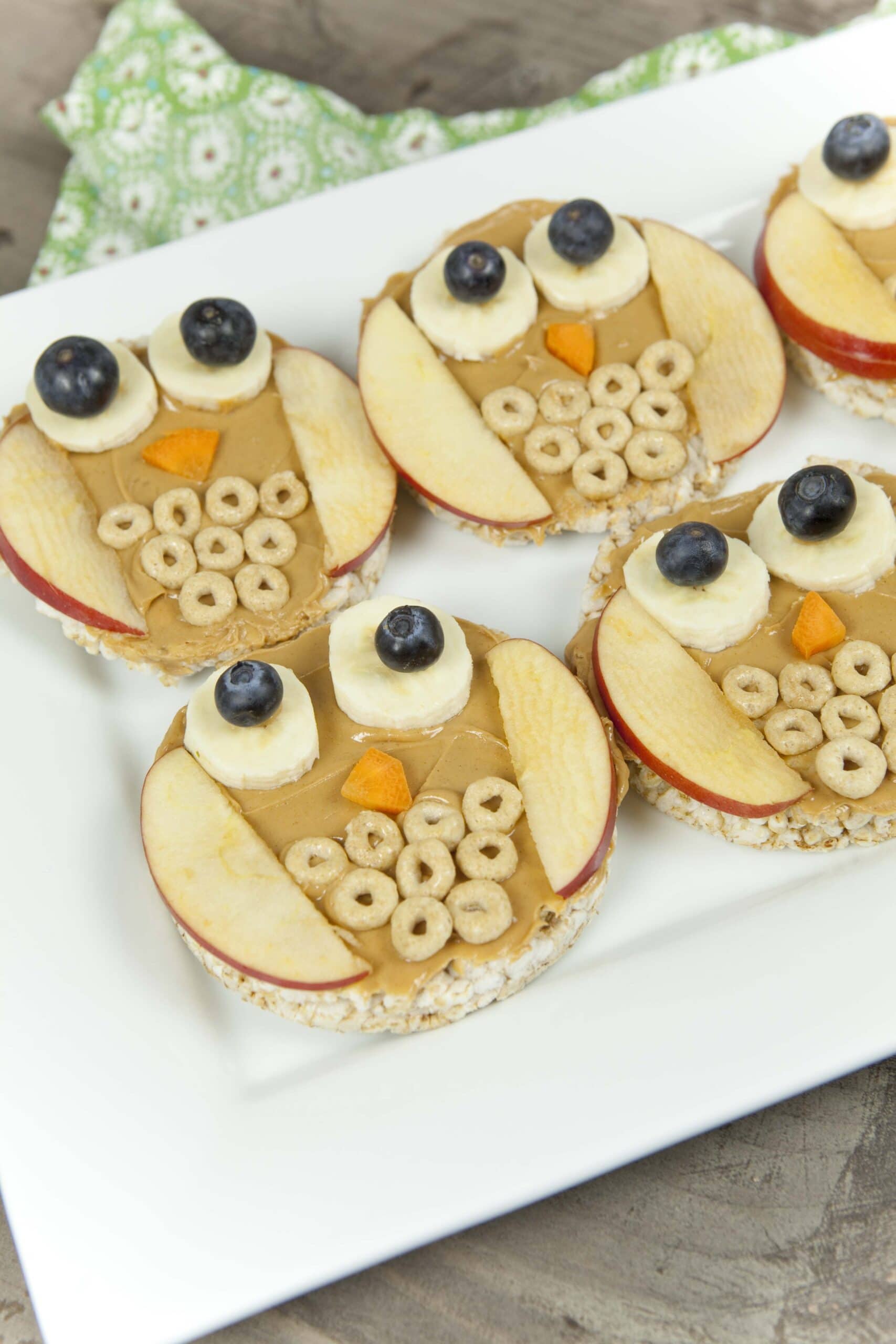
- Cut food into fun shapes: Let's be honest, a plain old sandwich is boring. But a sandwich cut into the shape of a star, a dinosaur, or even their favorite cartoon character? That's suddenly a lot more exciting. Use cookie cutters to transform sandwiches, fruits, veggies, and even quesadillas into playful shapes. My daughter used to refuse carrots until I started cutting them into "carrot coins." Suddenly, they were treasure!
- Create colorful plates: Visual appeal is key when it comes to kids. Aim for a rainbow of colors on their plate. Think bright red tomatoes, vibrant green broccoli, sunny yellow peppers, and deep purple blueberries. A colorful plate is not only visually appealing but also ensures a wider variety of nutrients.
- Serve food in creative ways: Forget boring old bowls and plates. Serve snacks in muffin tins, build a "snack board" with different compartments, or even use fun straws and cups for drinks. Think of it as turning mealtime into an interactive game. One of my favorite tricks is to serve dips with veggies. Kids love dipping!
- Get them involved in the cooking process: When kids are involved in preparing their own food, they're more likely to eat it. Let them help wash vegetables, stir ingredients, or even assemble their own pizzas or tacos. Even simple tasks can make them feel a sense of ownership and pride in their meals. This also opens up an opportunity to teach them about different ingredients and where they come from.
Sneak in the Good Stuff: The Art of Hidden Veggies
- Puree vegetables into sauces: This is a classic trick for sneaking veggies into pasta sauces, soups, and even smoothies. Pureed carrots, zucchini, spinach, and butternut squash are virtually undetectable when blended into these dishes. The key is to start small and gradually increase the amount of vegetables as your kids get used to the flavor.
- Add grated vegetables to baked goods: Zucchini bread, carrot muffins, and even beet brownies are all great ways to sneak in extra veggies. The sweetness of the baked goods helps to mask the flavor of the vegetables, making them more appealing to picky eaters.
- Finely chop vegetables and add them to ground meat: This is a great way to add extra nutrients to burgers, meatloaf, and tacos. Finely chopped mushrooms, onions, peppers, and even spinach can be easily incorporated into ground meat without significantly altering the flavor or texture.
- Blend fruits and vegetables into smoothies: Smoothies are a fantastic way to pack a ton of nutrients into one easy-to-drink beverage. Add spinach, kale, berries, bananas, and even avocados to your smoothies for a healthy and delicious treat. You can even freeze smoothie leftovers into popsicles for a refreshing summer snack.
Power Up with Protein: Essential for Growth and Energy
- Offer a variety of protein sources: Don't just rely on chicken and beef. Explore other protein-rich foods like beans, lentils, tofu, eggs, yogurt, and nuts (if your child is not allergic). Each protein source offers different nutrients and flavors, which can help keep mealtime interesting.
- Make protein fun: Think chicken skewers, mini meatballs, bean burritos, or even hard-boiled eggs decorated with edible markers. Presentation matters, even when it comes to protein.
- Include protein in snacks: Protein helps kids feel full and satisfied, preventing them from reaching for unhealthy snacks later. Offer snacks like yogurt with berries, hard-boiled eggs, or a handful of nuts.
- Pair protein with whole grains: Combining protein with whole grains creates a balanced and filling meal. Think chicken and brown rice, lentil soup with whole-wheat bread, or eggs with whole-grain toast.
Whole Grains for the Win: Fueling Little Bodies with Fiber and Nutrients
- Choose whole grains over refined grains: Opt for whole-wheat bread, brown rice, quinoa, and oatmeal instead of white bread, white rice, and sugary cereals. Whole grains are packed with fiber, which helps with digestion and keeps kids feeling full longer.
- Make whole grains more appealing: Add fruit, nuts, or spices to oatmeal. Use whole-wheat tortillas for tacos and burritos. Serve brown rice with a flavorful sauce.
- Sneak whole grains into baked goods: Use whole-wheat flour in muffins, pancakes, and cookies. Start by substituting a small amount of white flour with whole-wheat flour and gradually increase the amount as your kids get used to the taste.
- Get creative with whole grains: Try making quinoa salads, barley soups, or even whole-grain pizza crust. There are endless ways to incorporate whole grains into your family's diet.
Healthy Fats are Your Friends: Essential for Brain Development and Overall Health
- Include healthy fats in every meal: Think avocados, nuts, seeds, olive oil, and fatty fish like salmon. Healthy fats are essential for brain development, hormone production, and overall health.
- Use healthy fats for cooking: Cook with olive oil, avocado oil, or coconut oil instead of butter or vegetable oil.
- Add healthy fats to snacks: Offer snacks like avocado slices, nuts and seeds, or yogurt with flaxseed.
- Make healthy fats more appealing: Dip vegetables in guacamole, drizzle olive oil over salads, or sprinkle nuts and seeds on yogurt.
Hydration is Key: Keeping Little Bodies Fueled with Water
- Make water accessible: Keep water bottles readily available throughout the day.
- Infuse water with fruit: Add slices of lemon, cucumber, berries, or mint to water for a refreshing and flavorful twist.
- Limit sugary drinks: Avoid sugary drinks like soda, juice, and sports drinks, which are high in calories and low in nutrients. If you do offer juice, dilute it with water.
- Make hydration fun: Use fun straws, colorful cups, or even turn water into a "potion" by adding a few drops of food coloring.
Navigating Picky Eating: Tips and Tricks for Success
- Don't give up: It can take multiple exposures to a new food before a child accepts it. Keep offering the food in different ways, even if they initially refuse it.
- Offer small portions: Overwhelming a child with a large portion of a new food can be intimidating. Start with a small amount and let them ask for more if they want it.
- Eat together as a family: Family meals provide an opportunity for children to see their parents and siblings eating healthy foods. This can encourage them to try new things.
- Create a positive mealtime environment: Avoid pressuring or bribing your child to eat. Instead, focus on creating a relaxed and enjoyable atmosphere.
- Let them choose: Offer a few healthy options and let your child choose what they want to eat. This gives them a sense of control and can make them more likely to try new things.
- Be a role model: Children are more likely to eat healthy foods if they see their parents doing the same.
Remember, friends, feeding kids healthy food is a journey, not a destination. There will be ups and downs, successes and failures. But by focusing on creating a positive and sustainable relationship with food, you can help your children develop healthy eating habits that will last a lifetime. And don't forget to cut yourself some slack along the way. You're doing a great job!
Frequently Asked Questions
Let's tackle some common questions about healthy eating for kids:
Question 1: My child only wants to eat processed foods. How can I get them to try new things?
Answer: The key is gradual introduction and making healthy food fun! Start by offering one new food at a time, alongside familiar favorites. Don't pressure them to eat it, just encourage them to try a bite. Get them involved in the process – let them help wash veggies, stir ingredients, or even pick out a new fruit at the grocery store. Remember, it can take multiple exposures before a child accepts a new food, so be patient and persistent!
Question 2: How do I handle mealtime battles with a picky eater?
Answer: Mealtime battles are no fun for anyone! Avoid turning mealtime into a power struggle. Offer a variety of healthy options and let your child choose what they want to eat. Don't force them to clean their plate, but also avoid offering unhealthy alternatives if they refuse the meal. Focus on creating a positive and relaxed atmosphere. Family meals can also help, as children often mimic what they see their parents and siblings eating.
Question 3: What are some healthy snack options for kids?
Answer: Ditch the processed snacks and opt for whole, unprocessed foods instead! Great options include fruits, vegetables with hummus, yogurt with berries, hard-boiled eggs, a handful of nuts (if no allergies), or whole-grain crackers with cheese. Prepare snacks in advance so you have healthy options readily available when hunger strikes.
Question 4: How can I make sure my child is getting enough nutrients if they are a vegetarian or vegan?
Answer: Vegetarian and vegan diets can be perfectly healthy for kids, but it's important to ensure they are getting all the essential nutrients. Pay close attention to protein, iron, vitamin B12, calcium, and vitamin D. Good sources of protein include beans, lentils, tofu, tempeh, and nuts. Iron can be found in leafy green vegetables, fortified cereals, and beans. Vitamin B12 is often found in fortified foods or supplements. Calcium is abundant in dairy products (if consumed), fortified plant-based milks, and leafy green vegetables. Vitamin D can be obtained through sunlight exposure, fortified foods, or supplements. Consult with a pediatrician or registered dietitian to ensure your child's nutritional needs are being met.
Wrapping It Up: Nourishing Your Kids with Love and Deliciousness
So, there you have it, friends! We've explored a wide range of strategies for creating healthy and fun meals that your kids will (hopefully!) love. From embracing the power of presentation to sneaking in hidden veggies, prioritizing protein, and making hydration a priority, we've covered a lot of ground. Remember, the key is to focus on building a positive and sustainable relationship with food, rather than striving for perfection.
We started this journey acknowledging the challenges of feeding kids healthy foods, the picky eating, and the desire for convenience. We discussed simple strategies that will create fun meals and help kids love to eat healthy. We finished by answering some common questions. This provides you with comprehensive insight on the topic of healthy meals for kids.
The knowledge to craft truly nourishing foods is in your hands, so give it a try. Now, it's time to put these ideas into action! Pick one or two recipes or strategies that resonated with you and try them out this week. Don't be afraid to experiment, get creative, and most importantly, have fun! Remember, every small step you take towards healthier eating is a step in the right direction.
Let's get cooking and create a generation of healthy, happy eaters! What delicious creations are you planning to whip up this week?

Post a Comment for "Healthy Meal Ideas for Kids: Fun and Nutritious Recipes"
Post a Comment