Heart Health: Understanding the Role of Exercise
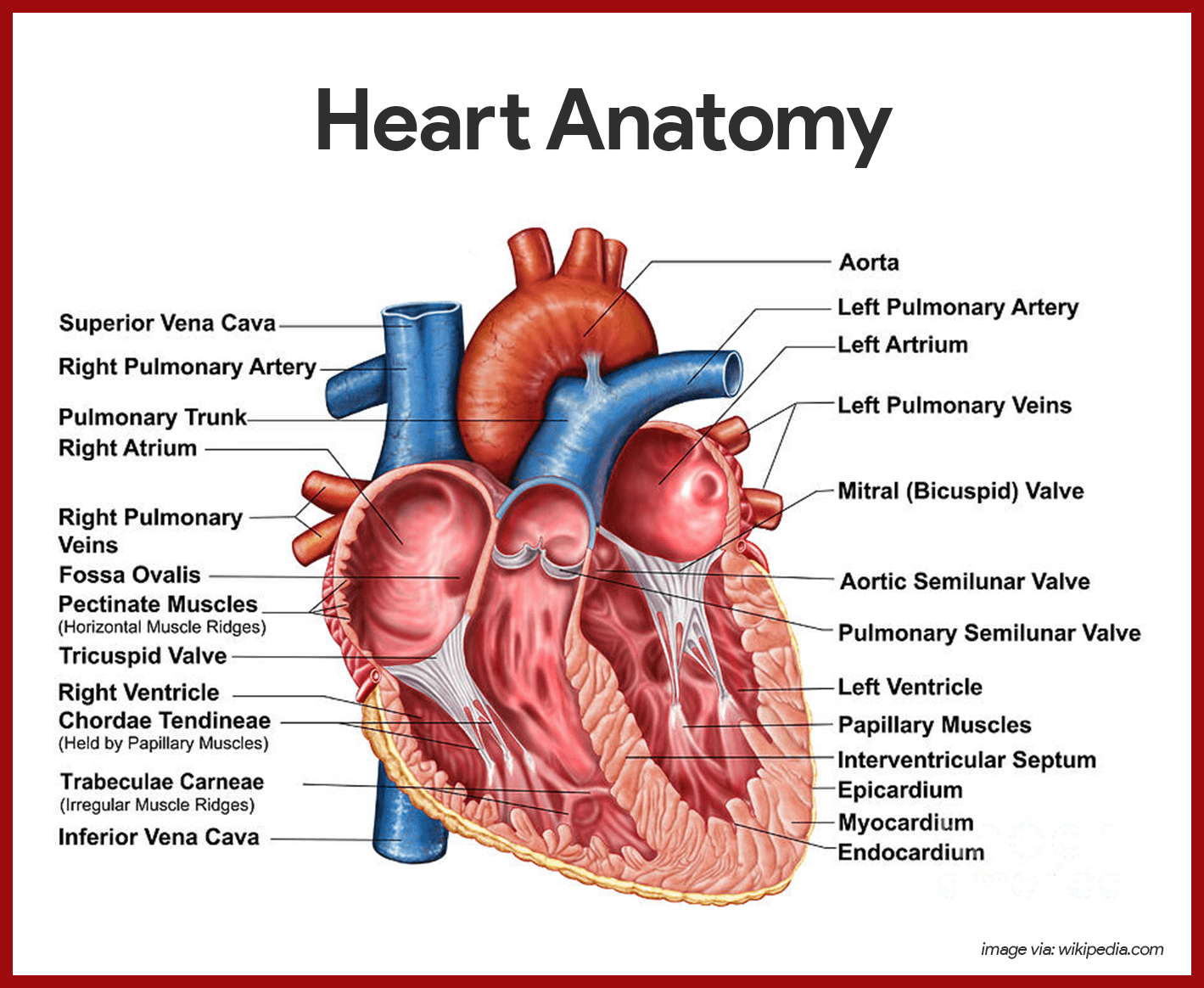
Heart Health: Unleashing Your Inner Athlete for a Stronger Heart.
Hey there, health enthusiasts! Ever feel like your heart is a forgotten muscle, silently pumping away while you binge-watch your favorite shows? We often take our heart health for granted, but it's the engine that keeps us going. It's time to dust off those sneakers and understand how exercise can be your heart's best friend! Are you ready to discover the secrets to a healthier, happier heart through the power of movement? Let's dive in!
Heart Health: Unleashing Your Inner Athlete
Let's face it: life in the 21st century often means trading active adventures for comfy chairs and endless screen time. We're bombarded with delicious (but often unhealthy) food options and tempted by the ease of ordering everything online. Our hearts, designed for movement and activity, are sometimes left begging for a little love. But here’s the good news: it's never too late to give your heart the attention it deserves. And the best part? The prescription involves something you can actually enjoy – exercise!
Think of your heart as a highly efficient machine. Like any machine, it needs regular maintenance to function optimally. Imagine a car that sits in the garage for months. The tires deflate, the engine gets sluggish, and it's just not ready to hit the road. Your heart is similar. Without regular exercise, it can become weaker, less efficient, and more susceptible to problems. The solution? Get moving! Exercise is the tune-up your heart desperately needs.
Now, I know what you might be thinking: "Exercise? Ugh, that sounds like hard work!" And while it can require some effort, it doesn't have to be a grueling, torturous experience. We're not talking about running marathons (unless you want to, of course!). Even small amounts of regular activity can make a huge difference to your heart health. Think of it as adding a little bit of fun and movement to your day.
But why is exercise so important for your heart? Well, it's not just about feeling good (though that's a definite bonus!). Exercise has a multitude of benefits that directly impact your cardiovascular system. It helps lower blood pressure, reduces bad cholesterol (LDL) and increases good cholesterol (HDL), improves blood sugar control, helps you maintain a healthy weight, and even reduces stress. It’s like a super-powered elixir for your heart!
And the best part? You don't need a fancy gym membership or expensive equipment to reap the rewards. Simple activities like walking, jogging, swimming, cycling, dancing, or even gardening can make a significant impact. The key is to find something you enjoy and that you can stick with long-term. It’s about making movement a part of your lifestyle, not just a temporary fix.
So, are you ready to transform your heart health and unleash your inner athlete? Let's explore the incredible role of exercise in strengthening your heart, debunk some common myths, and discover practical tips for incorporating movement into your daily routine. Get ready to feel energized, invigorated, and empowered to take control of your cardiovascular well-being. Let’s get started!
The Heart-Exercise Connection: Why Moving Matters
Let's delve deeper into the science behind why exercise is such a game-changer for your heart. It's not just about feeling good; there are profound physiological benefits that occur when you get active. Think of it like this: your heart is a muscle, and like any muscle, it gets stronger with use.
• Strengthening the Heart Muscle
Regular aerobic exercise, like brisk walking or cycling, challenges your heart to pump more blood with each beat. Over time, this strengthens the heart muscle, making it more efficient. A stronger heart doesn't have to work as hard to circulate blood throughout your body, reducing strain and improving overall cardiovascular function. Imagine your heart as a weightlifter, gradually increasing the weight it lifts (the volume of blood it pumps) with each workout.
Think about this: a well-conditioned heart can pump more blood with fewer beats. This means a lower resting heart rate, which is a sign of cardiovascular fitness. It's like having a more fuel-efficient engine in your car – it can go further on less gas. According to recent studies, individuals with lower resting heart rates tend to have a lower risk of heart disease.
• Lowering Blood Pressure
High blood pressure (hypertension) is a major risk factor for heart disease and stroke. Exercise helps lower blood pressure by making your blood vessels more flexible and elastic. When you exercise, your blood vessels dilate (widen), allowing blood to flow more easily. This reduces the pressure on the artery walls. Over time, regular exercise can lead to a sustained reduction in blood pressure, helping to prevent or manage hypertension.
Imagine your blood vessels as garden hoses. When they're stiff and rigid, the water pressure is high. But when they're flexible and elastic, the water flows more smoothly and the pressure is lower. Exercise helps keep your "hoses" in good condition. The American Heart Association recommends at least 150 minutes of moderate-intensity aerobic activity or 75 minutes of vigorous-intensity aerobic activity per week to help lower blood pressure.
• Improving Cholesterol Levels
Cholesterol is a fatty substance found in your blood. There are two main types: LDL (low-density lipoprotein) cholesterol, often called "bad" cholesterol, and HDL (high-density lipoprotein) cholesterol, often called "good" cholesterol. High levels of LDL cholesterol can lead to plaque buildup in your arteries, increasing your risk of heart disease. Exercise can help lower LDL cholesterol and increase HDL cholesterol, promoting healthier blood lipid profiles.
Think of LDL cholesterol as tiny particles that stick to your artery walls and HDL cholesterol as little scavengers that remove those particles. Exercise helps increase the number of scavengers and reduce the number of sticky particles. Studies have shown that regular exercise can significantly improve cholesterol levels, reducing the risk of heart attack and stroke. A study published in the Journal of the American Medical Association found that individuals who engaged in regular physical activity had a 35% lower risk of developing heart disease compared to those who were sedentary.
• Controlling Blood Sugar
High blood sugar levels (hyperglycemia) are a hallmark of diabetes, a condition that significantly increases the risk of heart disease. Exercise helps improve blood sugar control by increasing insulin sensitivity. Insulin is a hormone that helps your body use glucose (sugar) for energy. When you exercise, your muscles become more receptive to insulin, allowing them to absorb more glucose from the blood. This helps lower blood sugar levels and reduce the risk of developing type 2 diabetes.
Think of insulin as a key that unlocks the doors of your muscle cells, allowing glucose to enter and provide energy. When you're insulin resistant, the key doesn't work as well, and glucose builds up in the blood. Exercise helps improve the effectiveness of the key. Research has consistently shown that exercise is a cornerstone of diabetes management and prevention. Even moderate-intensity exercise, like brisk walking, can have a significant impact on blood sugar control.
• Maintaining a Healthy Weight
Being overweight or obese increases your risk of heart disease, stroke, and other health problems. Exercise helps you burn calories and lose weight, reducing the strain on your heart and improving your overall health. Combining exercise with a healthy diet is the most effective way to achieve and maintain a healthy weight.
Think of your body as an energy balance equation. When you consume more calories than you burn, you gain weight. When you burn more calories than you consume, you lose weight. Exercise helps tip the balance in favor of weight loss. The National Institutes of Health (NIH) recommends that adults aim for at least 150 minutes of moderate-intensity aerobic activity or 75 minutes of vigorous-intensity aerobic activity per week to maintain a healthy weight.
• Reducing Stress
Chronic stress can take a toll on your heart health. When you're stressed, your body releases hormones like cortisol and adrenaline, which can increase your heart rate and blood pressure. Over time, chronic stress can damage your arteries and increase your risk of heart disease. Exercise is a powerful stress reliever. It helps release endorphins, which have mood-boosting effects. Exercise can also help you clear your mind, relax your muscles, and improve your sleep, all of which can reduce stress and promote heart health.
Think of exercise as a natural tranquilizer. It helps calm your nervous system and release tension. Studies have shown that even a short walk in nature can significantly reduce stress levels. Finding an exercise activity you enjoy can make it even more effective as a stress reliever. Whether it's dancing, yoga, or simply taking a leisurely bike ride, find something that helps you unwind and de-stress.
Making Exercise a Heart-Healthy Habit: Practical Tips and Strategies
Now that you understand the incredible benefits of exercise for your heart, let's talk about how to make it a sustainable part of your lifestyle. It's not about overnight transformations; it's about building habits that will support your heart health for years to come.
• Start Small and Gradually Increase Intensity
Don't try to do too much too soon. If you're new to exercise, start with short, low-intensity activities like walking for 10-15 minutes a day. Gradually increase the duration and intensity of your workouts as you get fitter. This will help prevent injuries and make it easier to stick with your exercise routine.
Imagine you're training for a marathon. You wouldn't start by running 26 miles on your first day. You'd start with shorter distances and gradually increase your mileage over time. The same principle applies to any exercise program. Starting slowly and gradually increasing intensity is the key to success.
• Find Activities You Enjoy
Exercise shouldn't feel like a chore. Find activities that you genuinely enjoy, whether it's dancing, swimming, cycling, hiking, or playing a sport. When you're having fun, you're more likely to stick with your exercise routine long-term.
Think about what you enjoyed doing as a child. Did you love to dance, ride your bike, or play tag? Revisit those activities and see if they still bring you joy. You might be surprised at how much fun you have. The key is to find activities that you look forward to, not dread.
• Make it Social
Exercising with a friend or family member can make it more enjoyable and help you stay motivated. Find a workout buddy who shares your goals and schedule regular exercise sessions together. You can also join a group fitness class or a sports team to meet new people and stay active.
Imagine having someone to cheer you on and hold you accountable. That's the power of a workout buddy. You're more likely to show up for your exercise sessions when you know someone is counting on you. Plus, it's always more fun to share the experience with someone else.
• Set Realistic Goals
Setting achievable goals can help you stay motivated and track your progress. Start with small, specific goals, like walking for 30 minutes three times a week, and gradually increase the challenge as you get fitter. Celebrate your successes along the way to stay inspired.
Think about setting SMART goals: Specific, Measurable, Achievable, Relevant, and Time-bound. For example, instead of saying "I want to get in shape," set a goal like "I will walk for 30 minutes three times a week for the next month." This makes your goal more concrete and easier to track.
• Incorporate Exercise into Your Daily Routine
Look for opportunities to add movement to your everyday life. Take the stairs instead of the elevator, walk or bike to work or errands, and take short breaks to stretch or walk around. These small changes can add up to significant health benefits over time.
Imagine turning everyday activities into opportunities for exercise. Instead of driving to the grocery store, walk or bike. Instead of watching TV during your lunch break, take a walk around the block. These small changes can make a big difference in your overall activity level.
• Listen to Your Body
Pay attention to your body's signals and don't push yourself too hard, especially when you're first starting out. Rest when you need to and don't exercise when you're feeling sick or injured. Gradually increase the intensity and duration of your workouts as you get fitter.
Think of your body as a finely tuned instrument. If you push it too hard, it will break down. Listen to your body's signals and don't ignore pain or discomfort. Rest and recover when you need to, and gradually increase the intensity of your workouts over time.
Debunking Exercise Myths: Separating Fact from Fiction
There are many misconceptions about exercise that can prevent people from getting active. Let's debunk some common myths and set the record straight.
• Myth: "I Don't Have Time to Exercise."
Reality: You don't need to spend hours in the gym to reap the benefits of exercise. Even short bursts of activity, like 10-15 minutes a few times a day, can make a difference. Look for opportunities to incorporate movement into your daily routine, like taking the stairs instead of the elevator or walking during your lunch break. Remember, even small amounts of activity are better than none.
• Myth: "I'm Too Old to Exercise."
Reality: It's never too late to start exercising. In fact, exercise is particularly important for older adults, as it can help maintain muscle mass, bone density, and cognitive function. Start with gentle activities like walking, swimming, or chair exercises, and gradually increase the intensity as you get fitter.
• Myth: "Exercise is Only for Weight Loss."
Reality: While exercise can certainly help with weight loss, it has many other benefits that are independent of weight, including lowering blood pressure, improving cholesterol levels, and reducing stress. Even if you don't lose weight, you can still improve your heart health by getting active.
• Myth: "I Need a Gym Membership to Exercise."
Reality: You don't need a gym membership to get a good workout. There are many ways to exercise without spending any money, such as walking, running, cycling, hiking, and doing bodyweight exercises at home. All you need is a pair of comfortable shoes and a little motivation.
Expert Perspectives: What the Professionals Say
Let's hear from some experts in the field of cardiology and exercise physiology about the importance of exercise for heart health.
Dr. Suzanne Steinbaum, a cardiologist and author of "Heart Book: A Guide for Women and the Families Who Love Them," emphasizes the importance of personalized exercise plans. "Every body is different, and what works for one person may not work for another. It's important to work with your doctor or a qualified exercise professional to develop a plan that's tailored to your individual needs and goals."
Dr. Kerry Stewart, a professor of medicine at Johns Hopkins University School of Medicine, highlights the importance of consistency. "The key to getting the most out of exercise is to make it a regular habit. Aim for at least 30 minutes of moderate-intensity aerobic activity most days of the week. Even if you can't do 30 minutes at once, break it up into shorter intervals throughout the day."
These experts agree that exercise is a powerful tool for preventing and managing heart disease. By making exercise a part of your daily routine, you can significantly improve your heart health and overall well-being.
Future Trends: The Evolving Landscape of Exercise and Heart Health
The field of exercise science is constantly evolving, with new research emerging all the time. Here are some trends to watch in the coming years:
• Personalized Exercise Plans:
With the advent of wearable technology and genetic testing, it will become increasingly possible to create personalized exercise plans that are tailored to your individual needs and genetic predispositions. This will allow people to optimize their workouts and maximize their heart health benefits.
• Exercise as Medicine:
Exercise is increasingly being recognized as a form of medicine, with healthcare providers prescribing exercise to prevent and manage chronic diseases like heart disease and diabetes. This trend is likely to continue as more research emerges on the benefits of exercise.
• Virtual Reality Exercise:
Virtual reality (VR) technology is making exercise more engaging and immersive. VR exercise programs can transport you to exotic locations, turn workouts into games, and provide personalized feedback. This technology has the potential to make exercise more fun and accessible for people of all ages and abilities.
• Active Transportation:
Cities are increasingly investing in infrastructure that supports active transportation, such as bike lanes and pedestrian walkways. This makes it easier for people to incorporate physical activity into their daily commutes, reducing their reliance on cars and improving their heart health.
Questions and Answers about Heart Health and Exercise
Let's address some common questions about heart health and exercise:
• Question: What type of exercise is best for heart health?
Answer: Aerobic exercise, such as brisk walking, jogging, swimming, and cycling, is generally considered the best type of exercise for heart health. However, any type of physical activity is better than none. Resistance training, such as lifting weights, can also be beneficial, especially when combined with aerobic exercise.
• Question: How much exercise do I need for heart health benefits?
Answer: The American Heart Association recommends at least 150 minutes of moderate-intensity aerobic activity or 75 minutes of vigorous-intensity aerobic activity per week. You can also break up your exercise into shorter intervals throughout the day, such as 30 minutes of brisk walking five days a week.
• Question: Is it safe to exercise if I have heart disease?
Answer: In most cases, it is safe to exercise if you have heart disease, but it's important to talk to your doctor before starting any new exercise program. Your doctor can help you develop a safe and effective exercise plan based on your individual condition and needs.
• Question: What are the warning signs that I should stop exercising?
Answer: If you experience any chest pain, shortness of breath, dizziness, lightheadedness, or irregular heartbeats while exercising, stop immediately and seek medical attention. These could be signs of a serious heart problem.
In conclusion, remember that the journey to a healthier heart is a marathon, not a sprint. It's about making small, sustainable changes to your lifestyle that will support your cardiovascular well-being for years to come. Start today, and take that first step toward a stronger, healthier, and happier heart!
So, are you ready to lace up your sneakers and unleash your inner athlete? Your heart will thank you for it!
We've journeyed through the incredible role exercise plays in fortifying your heart, revealing how it strengthens the heart muscle, lowers blood pressure, improves cholesterol levels, controls blood sugar, helps maintain a healthy weight, and reduces stress. Now it’s clear: incorporating regular physical activity into your life isn't just about fitness; it's about investing in a longer, healthier, and more vibrant future. It is about heart health.
So, what's your next move? Don't let this knowledge gather dust. Take action today! Start with a simple walk, a bike ride, or even a few minutes of stretching. The key is consistency. Make exercise a non-negotiable part of your daily routine, just like brushing your teeth or eating a healthy meal.
Remember, your heart is your engine, and exercise is the fuel that keeps it running smoothly. Embrace the power of movement, and watch as your heart thrives and your overall well-being blossoms.
Now, tell me, what activity will you commit to this week to give your heart the love it deserves?

Post a Comment for "Heart Health: Understanding the Role of Exercise"
Post a Comment