Gut Health: How to Identify and Manage Food Allergies
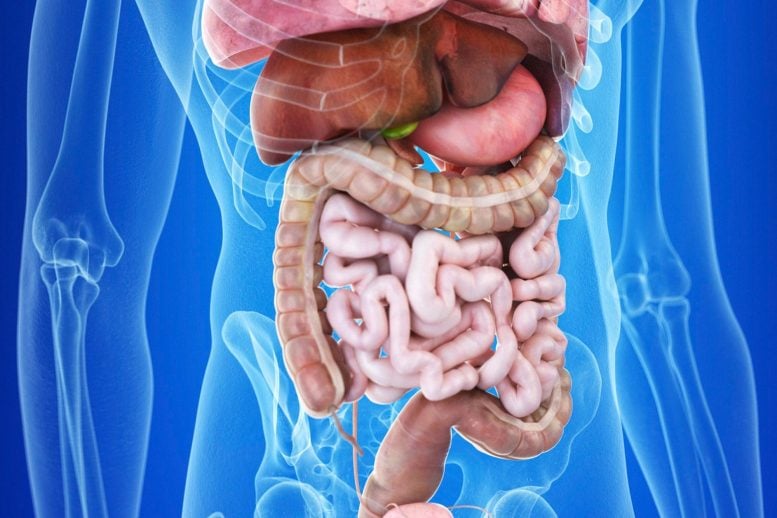
Unlocking Gut Bliss: Your Guide to Spotting and Soothing Food Allergies
Hey there, friend! Ever feel like your stomach is staging a full-blown rebellion after enjoying a seemingly innocent meal? Bloating like a balloon animal, skin itching like you've rolled in poison ivy, or a general feeling of blah? Yeah, we've all been there. But what if these aren't just random tummy rumbles? What if your gut is trying to tell you something... like, "Hey, I'm REALLY not a fan of that!"? We're talking about food allergies, my friend, and they can be sneaky little devils.
Imagine this: You're at a party, happily munching on a delicious-looking spread. Suddenly, your throat starts to feel a little tight, your nose is running like a faucet, and you're starting to break out in hives. Panic sets in! Or maybe it's more subtle. You've been feeling tired and foggy-brained for weeks, and you just can't put your finger on why. Turns out, that "healthy" smoothie you've been drinking every morning contains a hidden allergen that's wreaking havoc on your system. Sounds familiar?
Food allergies are on the rise, and they're not always as obvious as a dramatic allergic reaction. Sometimes, they manifest as vague, lingering symptoms that can be easily dismissed or misdiagnosed. That's why understanding how to identify and manage them is crucial for your overall well-being. Think of your gut as the command center of your health. When it's happy, you're happy. But when it's under attack from allergens, the consequences can ripple throughout your entire body.
Now, before you start Googling "Am I allergic to air?" and prepping for a life of bland, flavorless meals, take a deep breath. This guide is here to empower you with the knowledge and tools you need to navigate the world of food allergies with confidence. We'll explore the difference between allergies and intolerances, delve into common culprits, discuss effective testing methods, and uncover strategies for managing your diet and soothing your gut.
Ready to take control of your gut health and finally figure out what's been making you feel less than stellar? Keep reading, because we're about to embark on a journey to unlock the secrets of your digestive system and help you achieve gut bliss! What if you could pinpoint the exact foods that are causing your discomfort and reclaim your energy and vitality? Let's find out!
Decoding the Gut: Allergies vs. Intolerances
Let's start with the basics. Food allergies and food intolerances are often used interchangeably, but they're actually quite different. Understanding the distinction is key to managing your symptoms effectively.
•Allergies: The Immune System's Overreaction: Food allergies involve your immune system. When you eat a food you're allergic to, your immune system mistakenly identifies it as a threat and launches an attack. This triggers the release of histamine and other chemicals, leading to a range of symptoms. These can range from mild hives and itching to life-threatening anaphylaxis. Common allergens include peanuts, tree nuts, milk, eggs, soy, wheat, fish, and shellfish. The key here is that even a tiny amount of the allergen can trigger a reaction. Think of it as your body sounding a five-alarm fire for something that's really just a minor inconvenience.
•Intolerances: Digestive Distress: Food intolerances, on the other hand, don't involve the immune system. Instead, they typically result from your body's inability to properly digest a particular food. This could be due to a lack of certain enzymes or a sensitivity to specific compounds in the food. Symptoms of food intolerance are usually less severe than those of allergies and are often limited to digestive issues like bloating, gas, diarrhea, and abdominal pain. Lactose intolerance is a classic example. Your body doesn't produce enough lactase, the enzyme needed to break down lactose, the sugar found in milk. The severity of symptoms often depends on the amount of the food consumed. You might be able to tolerate a small amount of cheese, but a large glass of milk could send you running to the bathroom.
Unmasking the Culprits: Common Food Allergens
Now that you know the difference between allergies and intolerances, let's dive into some of the most common food allergens. Being aware of these potential triggers can help you identify patterns and narrow down the list of suspects.
•The Big Eight (and Beyond): In the United States, the Food and Drug Administration (FDA) requires that the labels of packaged foods list the presence of the "Big Eight" allergens: milk, eggs, fish, shellfish, tree nuts, peanuts, wheat, and soybeans. These account for approximately 90% of food allergies. However, there are many other foods that can cause allergic reactions, including sesame, mustard, celery, and even seemingly harmless fruits and vegetables like avocado or kiwi.
•Hidden Allergens: The Sneaky Suspects: Even if you diligently read food labels, allergens can sometimes be hidden in unexpected places. Processed foods, sauces, dressings, and even medications can contain trace amounts of allergens. For example, soy lecithin is a common emulsifier found in many processed foods, and whey protein is often added to protein powders and bars. Be extra cautious when eating out at restaurants, as cross-contamination is a common concern.
•The Role of Gut Health: Emerging research suggests that gut health may play a role in the development of food allergies. A healthy gut microbiome, the community of bacteria that lives in your digestive system, helps to maintain the integrity of the gut lining. When the gut lining becomes compromised (leaky gut), undigested food particles can leak into the bloodstream, triggering an immune response and potentially leading to food allergies. Factors like stress, antibiotics, and a diet high in processed foods can disrupt the gut microbiome and increase the risk of developing food allergies.
Detective Work: Identifying Your Food Allergies
So, you suspect you might have a food allergy. What's the next step? It's time to put on your detective hat and start investigating!
•The Elimination Diet: A Gradual Approach: An elimination diet involves removing suspected allergens from your diet for a period of time (usually 2-3 weeks) and then gradually reintroducing them one at a time to see if symptoms return. This can be a helpful way to identify trigger foods, but it's important to do it under the guidance of a healthcare professional or registered dietitian to ensure you're getting adequate nutrition. Start by removing the most common allergens, such as dairy, gluten, soy, eggs, and nuts. Keep a detailed food diary, noting everything you eat and drink, as well as any symptoms you experience. After the elimination period, reintroduce each food individually, waiting 2-3 days before introducing the next one. Pay close attention to how you feel during this process.
•Allergy Testing: Seeking Professional Help: There are several types of allergy tests available, including skin prick tests, blood tests (Ig E antibody tests), and oral food challenges. Skin prick tests involve pricking the skin with a small amount of allergen and observing the reaction. Blood tests measure the levels of Ig E antibodies in your blood, which are produced in response to allergens. Oral food challenges are considered the gold standard for diagnosing food allergies. They involve consuming gradually increasing amounts of the suspected allergen under medical supervision. It's crucial to consult with an allergist or immunologist to determine which tests are right for you and to interpret the results accurately.
•The Food Diary: Your Gut's Autobiography: We mentioned it earlier, but it bears repeating: keep a detailed food diary! This is your gut's autobiography, and it can provide valuable clues about your food sensitivities. Record everything you eat and drink, including ingredients and portion sizes. Also, note any symptoms you experience, such as bloating, gas, diarrhea, constipation, skin rashes, headaches, fatigue, or brain fog. Be as specific as possible. For example, instead of just writing "stomach ache," describe the type of pain (e.g., cramping, sharp, dull) and its location. Over time, you may start to see patterns emerge, linking specific foods to specific symptoms.
Soothing the System: Managing Food Allergies and Gut Health
Okay, you've identified your food allergies. Now what? The good news is that with the right strategies, you can manage your allergies and improve your gut health.
•The Avoidance Game: Reading Labels and Cooking Smart: The cornerstone of managing food allergies is avoiding the offending foods. This requires diligent label reading and careful meal planning. Always read the ingredient list on packaged foods, even if you've purchased the product before, as ingredients can change. Be aware of cross-contamination when cooking. Use separate cutting boards and utensils for allergen-free foods, and wash your hands thoroughly after handling potential allergens. When eating out, inform your server about your allergies and ask about the ingredients and preparation methods of each dish.
•Gut-Healing Foods: Nurturing Your Microbiome: A healthy gut microbiome can help to reduce inflammation and improve your overall digestion. Focus on eating a diet rich in prebiotic and probiotic foods. Prebiotics are types of fiber that feed the beneficial bacteria in your gut. Good sources of prebiotics include garlic, onions, asparagus, bananas, and oats. Probiotics are live microorganisms that can help to restore the balance of your gut microbiome. You can find probiotics in fermented foods like yogurt, kefir, sauerkraut, kimchi, and kombucha.
•Supplements for Support: Addressing Deficiencies: Depending on your individual needs, certain supplements may be helpful in managing food allergies and supporting gut health. Digestive enzymes can help to break down food and improve digestion. L-glutamine is an amino acid that can help to repair the gut lining. Probiotic supplements can help to replenish the beneficial bacteria in your gut. Omega-3 fatty acids, found in fish oil, can help to reduce inflammation. Always talk to your doctor or a registered dietitian before taking any new supplements.
•Stress Management: Calming the Gut-Brain Axis: Stress can have a significant impact on your gut health. When you're stressed, your body releases cortisol, a stress hormone that can disrupt the balance of your gut microbiome and increase inflammation. Practicing stress-management techniques like yoga, meditation, deep breathing exercises, and spending time in nature can help to calm the gut-brain axis and improve your overall well-being.
•The Emergency Plan: Anaphylaxis and Epinephrine: If you have a severe food allergy, your doctor may prescribe an epinephrine auto-injector (Epi Pen). Epinephrine is a life-saving medication that can reverse the symptoms of anaphylaxis, a severe allergic reaction. It's crucial to carry your Epi Pen with you at all times and to know how to use it. Also, educate your family, friends, and coworkers about your allergy and how to administer epinephrine in case of an emergency.
Frequently Asked Questions
Let's tackle some common questions about food allergies and gut health.
•Q: Can you develop food allergies later in life?
•A: Yes, it's possible to develop food allergies at any age. While food allergies are more common in children, adults can also develop new allergies. This can be due to changes in the gut microbiome, exposure to new allergens, or other factors.
•Q: Are food allergies the same as sensitivities?
•A: No, food allergies and sensitivities are different. Food allergies involve an immune system response, while food sensitivities do not. Food sensitivities may cause symptoms like bloating, gas, and fatigue, but they are not life-threatening.
•Q: Can probiotics cure food allergies?
•A: While probiotics can help to improve gut health and potentially reduce the severity of allergy symptoms, they are not a cure for food allergies. The best way to manage food allergies is to avoid the offending foods.
•Q: How can I find a qualified allergist or registered dietitian?
•A: You can ask your primary care physician for a referral to an allergist or registered dietitian. You can also search online directories or check with your insurance company for a list of in-network providers.
In conclusion, managing food allergies and nurturing your gut health is a journey that requires awareness, dedication, and a little bit of detective work. By understanding the difference between allergies and intolerances, identifying your trigger foods, and adopting gut-friendly strategies, you can reclaim control of your health and enjoy a more comfortable and fulfilling life.
Now, here's your call to action: start that food diary! Even if you don't suspect you have a food allergy, tracking what you eat and how you feel can provide valuable insights into your overall health. And if you are struggling with allergy symptoms, don't hesitate to seek professional help from an allergist or registered dietitian.
Remember, your gut is the foundation of your well-being. By taking care of it, you're taking care of yourself. Are you ready to embark on this journey to a happier, healthier gut?

Post a Comment for "Gut Health: How to Identify and Manage Food Allergies"
Post a Comment