Menopause: Tips for Managing Mood Swings Effectively
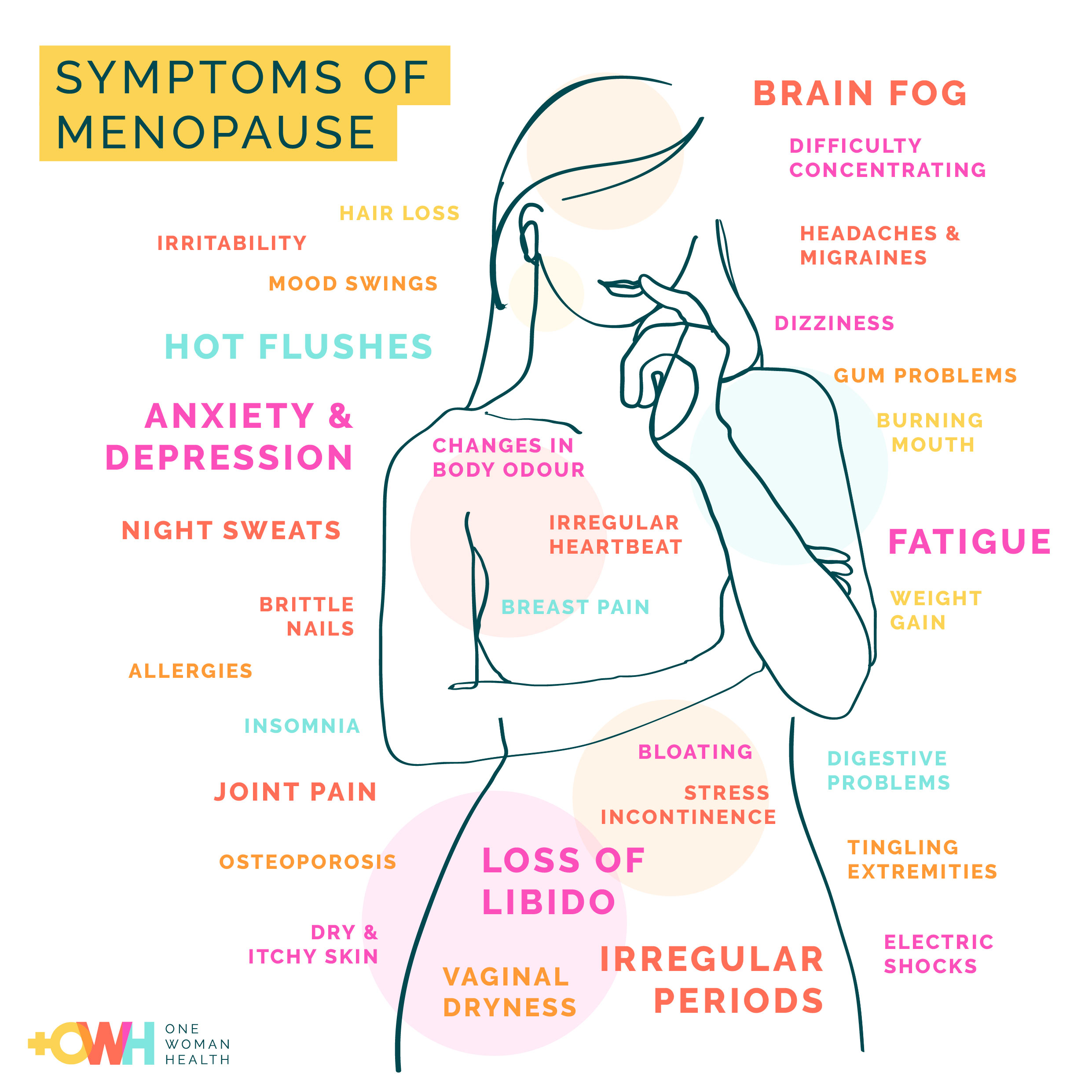
Riding the Rollercoaster: Your Guide to Taming Menopausal Mood Swings
Hey there, friend! Let's talk about something a whole lot of us are either going through, have gone through, or will eventually go through: menopause. And specifically, those pesky mood swings that come along for the ride. You know, that rollercoaster of emotions where one minute you're laughing at a cat video and the next you're tearing up at a commercial for paper towels? Yeah, those. They're about as fun as a hot flash during a board meeting. But before you resign yourself to a life of emotional unpredictability, take a deep breath. Because guess what? You're not alone, and there are absolutely things you can do to manage these mood swings and reclaim your emotional equilibrium. Think of this as your survival guide, your toolbox, your secret weapon against the hormonal hurricane. We're going to dive into some seriously helpful strategies, backed by science and real-life experiences, that will empower you to navigate this phase with grace, strength, and maybe even a little humor. So buckle up, grab a cup of something soothing (herbal tea, anyone?), and let's get started! Are you ready to discover how to turn down the volume on those mood swings and crank up the dial on your overall well-being?
Understanding the Menopausal Mood Maze
Before we jump into solutions, let's quickly demystify what's actually happening. Menopause, in a nutshell, is the time when your ovaries decide to retire from their egg-producing duties. This leads to a significant drop in estrogen and progesterone, the hormones that have been running the show for decades. These hormonal fluctuations aren't just about reproductive function; they impact all sorts of things, including your mood. Think of estrogen as your brain's happy hormone. When it starts to decline, it can throw your emotional state for a loop, leading to those infamous mood swings. It's not "all in your head," it's biology! And while everyone experiences menopause differently, mood swings are a pretty common complaint. Some women describe them as mild irritability, while others experience intense bouts of sadness, anxiety, or anger. There's no one-size-fits-all experience, and that's okay. The key is to understand that these feelings are valid and that there are ways to manage them.
Taming the Tempest: Practical Tips for Managing Mood Swings
Okay, enough with the explanations! Let's get to the good stuff – the practical strategies you can start implementing today to manage those mood swings effectively. Remember, it's not about eliminating them entirely (that might be an unrealistic goal), but about gaining control and reducing their intensity and frequency.
• Embrace the Power of Lifestyle Changes
This might sound cliché, but trust me, lifestyle changes can make a HUGE difference. We're talking about simple yet powerful habits that can significantly impact your hormonal balance and overall well-being. Think of it as building a solid foundation for your emotional health. What does that entail?
• Prioritize Sleep:
Sleep deprivation is a mood-swing multiplier. Aim for 7-8 hours of quality sleep each night. Create a relaxing bedtime routine, make sure your bedroom is dark and quiet, and avoid screen time before bed. Easier said than done, I know, but even small improvements in sleep can make a big difference. Imagine waking up feeling refreshed and ready to tackle the day instead of already feeling on edge. Experiment with things like blackout curtains, white noise machines, or a relaxing bath before bed. You might be surprised at how much better you feel.
• Nourish Your Body:
What you eat directly impacts your mood. Focus on a balanced diet rich in fruits, vegetables, whole grains, and lean protein. Limit processed foods, sugary drinks, and excessive caffeine. Some studies suggest that incorporating foods rich in phytoestrogens, like soy products, flaxseeds, and chickpeas, may help to alleviate some menopausal symptoms. But remember, everyone is different, so pay attention to how your body reacts to different foods. Keeping a food journal can be really helpful in identifying potential triggers.
• Move Your Body:
Exercise is a fantastic mood booster. It releases endorphins, which have mood-elevating effects. Aim for at least 30 minutes of moderate-intensity exercise most days of the week. Find activities you enjoy, whether it's walking, swimming, dancing, or yoga. Even a short walk in nature can do wonders for your mood. Plus, exercise has a whole host of other health benefits, like improving sleep, boosting energy levels, and reducing the risk of chronic diseases.
• Stress Less:
Stress is a major trigger for mood swings. Find healthy ways to manage stress, such as meditation, yoga, deep breathing exercises, or spending time in nature. Mindfulness practices can be particularly helpful in calming the mind and reducing anxiety. Even just a few minutes of mindful breathing each day can make a difference. Experiment with different stress-reducing techniques until you find what works best for you.
• Herbal Allies: Nature's Support System
Certain herbs have been traditionally used to help manage menopausal symptoms, including mood swings. It's important to talk to your doctor before taking any herbal supplements, especially if you're taking other medications.
• Black Cohosh:
This herb has been shown to help reduce hot flashes and night sweats, which can indirectly improve mood by promoting better sleep.
• St. John's Wort:
This herb is known for its antidepressant properties and may help to alleviate symptoms of mild to moderate depression associated with menopause. However, it can interact with certain medications, so it's crucial to consult with your doctor before using it.
• Valerian Root:
This herb has calming and sedative properties and can help to improve sleep quality, which can indirectly improve mood.
• Dong Quai:
This herb has been used in traditional Chinese medicine for centuries to treat a variety of women's health issues, including menopausal symptoms. However, more research is needed to confirm its effectiveness.
• Embrace Mindfulness and Emotional Regulation Techniques
Learning to manage your emotions effectively is key to taming those mood swings. Here are a few techniques to try:
• Mindfulness Meditation:
This practice involves paying attention to the present moment without judgment. It can help you become more aware of your emotions and reduce reactivity to them. There are tons of free apps and online resources that can guide you through mindfulness meditation.
• Deep Breathing Exercises:
These exercises can help to calm the nervous system and reduce feelings of anxiety and stress. Try taking slow, deep breaths, focusing on filling your lungs completely and exhaling slowly.
• Cognitive Behavioral Therapy (CBT):
This type of therapy can help you identify and change negative thought patterns and behaviors that contribute to mood swings. It can be incredibly helpful in developing coping mechanisms and improving emotional resilience.
• Journaling:
Writing down your thoughts and feelings can be a great way to process emotions and gain insights into your mood swings. Try journaling daily or whenever you're feeling overwhelmed.
• Seek Support: You Are Not Alone
Menopause can be a challenging time, and it's important to have a support system in place. Talk to your friends, family, or a therapist about what you're going through. Joining a menopause support group can also be incredibly helpful, as it allows you to connect with other women who are going through similar experiences.
• Talk to Your Doctor: Medical Interventions
If your mood swings are severe and significantly impacting your quality of life, talk to your doctor about medical interventions. Hormone therapy (HT) can be an effective way to manage menopausal symptoms, including mood swings. However, it's important to weigh the risks and benefits of HT with your doctor before making a decision. There are also other medications, such as antidepressants, that can help to alleviate mood symptoms.
• Track Your Cycle and Mood: Understanding Your Patterns
Keep a journal or use a tracking app to monitor your menstrual cycle (if you're still having periods) and your mood. Note when you experience mood swings, what seems to trigger them, and what helps to alleviate them. Over time, you may start to see patterns emerge, which can help you to anticipate and manage your mood swings more effectively. For example, you might notice that you're more prone to mood swings during the week leading up to your period or when you're under a lot of stress.
• Create a Self-Care Toolkit: Your Personal Arsenal
Develop a list of activities that you enjoy and that help you to relax and de-stress. These could include things like reading, listening to music, taking a bath, spending time in nature, or engaging in a hobby. When you're feeling overwhelmed or experiencing a mood swing, turn to your self-care toolkit for a quick pick-me-up. The key is to have these tools readily available so you can easily access them when you need them most.
• Communicate Your Needs: Let People In
Talk to your partner, family, and friends about what you're going through. Let them know that you may be experiencing mood swings and that you need their support and understanding. Be specific about what they can do to help. For example, you might ask them to be patient with you when you're feeling irritable or to give you some space when you need it.
• Practice Self-Compassion: Be Kind to Yourself
Menopause is a major life transition, and it's okay to not feel okay sometimes. Be kind and compassionate to yourself during this time. Don't beat yourself up for experiencing mood swings or for feeling overwhelmed. Remember that you're doing the best you can, and that things will get better. Treat yourself with the same kindness and understanding that you would offer to a friend who was going through a similar experience.
Frequently Asked Questions
Let's tackle some common questions about menopause and mood swings:
• Will my mood swings ever go away completely?
For most women, mood swings tend to lessen in intensity and frequency after menopause, as hormone levels stabilize. However, some women may continue to experience mood fluctuations throughout their lives. The good news is that the strategies we've discussed can help you manage these fluctuations and maintain a sense of emotional well-being.
• Is hormone therapy the only effective treatment for mood swings?
Hormone therapy can be very effective for some women, but it's not the only option. Lifestyle changes, herbal remedies, and emotional regulation techniques can also be helpful. It's important to discuss all of your options with your doctor to determine the best course of treatment for you.
• How long do mood swings typically last during menopause?
The duration of mood swings can vary greatly from woman to woman. Some women may experience them for a few months, while others may experience them for several years. There's no one-size-fits-all answer. The key is to focus on managing your symptoms and finding what works best for you.
• When should I see a doctor about my mood swings?
You should see a doctor if your mood swings are severe, persistent, or significantly impacting your quality of life. Also, seek medical attention if you experience thoughts of self-harm or if you're concerned about your mental health. Your doctor can help you determine the underlying cause of your mood swings and recommend appropriate treatment options.
Taking Control and Moving Forward
So, there you have it, friend! A comprehensive guide to managing those menopausal mood swings. We've covered everything from understanding the hormonal changes that drive them to practical strategies for taming the tempest and reclaiming your emotional equilibrium. Remember, this is a journey, not a destination. There will be good days and bad days, moments of calm and moments of chaos. But with the right tools and support, you can navigate this phase with grace, strength, and a sense of self-compassion. Don't be afraid to experiment with different strategies until you find what works best for you. And don't be afraid to ask for help when you need it. You are not alone, and there are people who care about you and want to support you. Now, I encourage you to take one small step today towards managing your mood swings. Maybe it's scheduling a doctor's appointment, starting a mindfulness practice, or simply making a commitment to prioritize sleep. Whatever it is, take that first step. You deserve to feel good, and you have the power to create a more balanced and joyful life, even amidst the hormonal fluctuations of menopause. So, what are you waiting for? Go out there and embrace the amazing woman that you are!

Post a Comment for "Menopause: Tips for Managing Mood Swings Effectively"
Post a Comment