Pfizer Vaccine Tied to Severe Eye Damage, Study Reveals
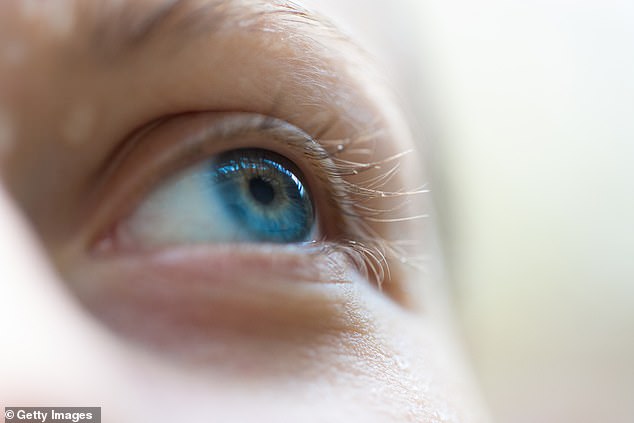
New Study Links Pfizer's COVID-19 Vaccine to Potential Eye Health Risks
Recent research has raised concerns about the potential impact of the Pfizer-BioNTech COVID-19 vaccine on eye health. Scientists have discovered that the vaccine may lead to changes in the cornea, which could increase the risk of vision loss over time.
The study focused on the cornea’s inner layer, known as the endothelium. This layer plays a crucial role in maintaining the clarity of the cornea by pumping out excess fluid. Researchers in Turkey examined 64 individuals before and two months after receiving both doses of the Pfizer vaccine. They found that the vaccine caused an increase in corneal thickness, a reduction in the number of endothelial cells, and greater variation in the size of these cells.
While these changes were temporary and did not immediately affect vision for most participants, they could pose long-term risks. For individuals with pre-existing eye conditions or those who have undergone corneal transplants, these changes might lead to complications such as corneal swelling or blurry vision.
Understanding the Changes in Corneal Endothelium
The study revealed that the cornea thickened from an average of 528 micrometers to 542 micrometers, which is a roughly two-percent increase. Although a slightly thicker cornea is not always harmful, prolonged thickening could reduce corneal clarity and affect vision. The researchers also observed a decline in the number of endothelial cells, dropping from 2,597 to 2,378 per square millimeter—a loss of about eight percent.
Normal cell counts typically range between 2,000 and 3,000 per square millimeter. While 2,378 is still within a safe range for most people, individuals with lower baseline counts due to prior surgeries, infections, or diseases could face greater risks. Additionally, the study noted that the cells became less uniform in size, with an increase in their coefficient of variation from 39 to 42. This suggests that the endothelium may be under stress.
Another significant finding was that fewer endothelial cells maintained their healthy hexagonal shape, decreasing from 50 to 48 percent. Healthy cells are usually hexagonal, allowing them to fit tightly together like a honeycomb. The slight drop in this percentage indicates some level of stress on the cells.
Implications for Long-Term Eye Health
Researchers emphasized that while these changes were not directly linked to damage, they suggested a possible response to stress or inflammation. If these effects persist over time, they could impact the overall health of the cornea. However, the team stressed that the results do not necessarily mean the vaccine should be avoided.
Further long-term studies are needed to determine if these changes continue to occur months or years after vaccination. The study also highlighted the importance of monitoring the endothelium in individuals with low cell counts or a history of corneal grafts. An eye doctor can use specialized tools like a specular microscope to assess the health of the cornea and detect any issues early.
Additional Concerns About Vaccine Side Effects
This new data adds to growing concerns about the side effects of the Pfizer and Moderna vaccines. In May, the U.S. Food and Drug Administration (FDA) required both companies to update their warning labels regarding the risk of heart damage. The revised labels now include warnings about myocarditis and pericarditis, particularly for men aged 16 to 25.
Although these side effects are rare, the findings underscore the need for continued research and monitoring of vaccine-related health impacts. As more data becomes available, healthcare professionals will be better equipped to assess the risks and benefits of vaccination for different populations.
Conclusion
While the immediate effects of the Pfizer vaccine on eye health appear minimal for most people, the long-term implications remain unclear. Ongoing research is essential to fully understand how these changes might affect vision and overall eye health. Individuals with existing eye conditions or concerns should consult with their eye care provider to discuss the potential risks and benefits of vaccination.

Post a Comment for "Pfizer Vaccine Tied to Severe Eye Damage, Study Reveals"
Post a Comment