New Bug Bite Zapper Plugs Into Your Phone — How It Relieves Itch in Seconds
Understanding the Science Behind Bug Bites
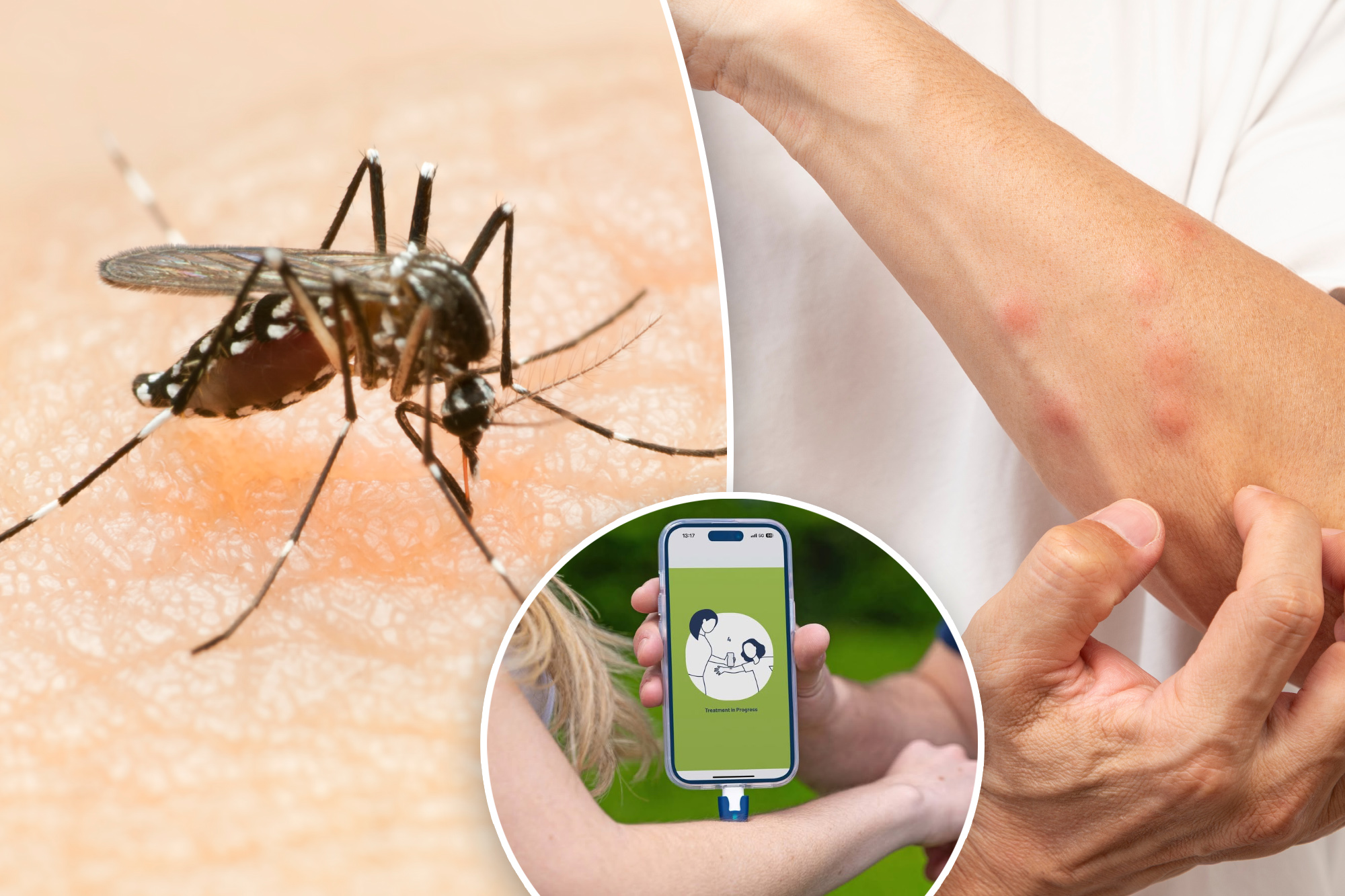
When an insect bites, it introduces its saliva into the skin. This saliva contains proteins that trigger an inflammatory response in the body. As a result, histamine is released, which is responsible for the redness, itching, and swelling commonly associated with bug bites. To understand how to effectively combat this irritation, it's essential to look at innovative solutions that have emerged in recent years.
Introducing Heat It: A New Approach to Relief
One of the latest innovations in treating bug bites is the "Heat It" device. Developed by German researchers, this gadget made its way to the US market in 2023 after being launched in Europe in 2020. The device is compact, no larger than a bumblebee, and connects to a smartphone to utilize its battery power for generating heat. When applied to a bug bite, it delivers a quick burst of warmth that helps alleviate pain and itching from mosquito, horsefly, bee, and wasp stings.
Users can customize their treatment through a companion app, allowing them to adjust the temperature and duration according to their skin sensitivity. This level of personalization makes the device a versatile solution for different individuals.
The Effectiveness of Heat Therapy
According to Dr. David Bank, a board-certified dermatologist, heat can be effective in reducing the effects of bug bites. He explains that heat can cause a breakdown of the proteins in the insect’s saliva, leading to a reduction in histamine release. This results in less redness, itching, and swelling. Additionally, heat can affect nerve endings in the skin, helping to reduce the signals that cause itching.
A 2023 study involving over 1,750 participants found that using Heat It led to a 63% reduction in itchiness within two minutes and a significant drop of 78% after ten minutes. These results highlight the potential of heat therapy as a viable alternative to traditional treatments.
Traditional Methods vs. Modern Technology
While modern technology like Heat It offers precision and effectiveness, humans have been using heat to treat insect bites for centuries. Common home remedies include warm compresses or metal spoons heated under hot water. However, these methods often lack the precision of the Heat It device. If not warm enough, they may not be effective; if too hot, they can potentially burn the skin.
The optimal temperature range for treating bug bites is between 122°F to 125°F. Heat It delivers a consistent 124°F, with adjustable settings to accommodate children or adults with sensitive skin. This ensures a safe and effective treatment for various users.
Additional Tips for Managing Bug Bites
In addition to using Heat It, there are several other ways to manage bug bites effectively. First and foremost, it's crucial to resist the urge to scratch, as this can worsen the situation. For mild cases, over-the-counter creams such as hydrocortisone or calamine lotion can provide relief. Dr. Bank also recommends oral antihistamines like cetirizine, loratadine, or fexofenadine to reduce itching and other symptoms internally.
If the bite is painful, medications like acetaminophen or ibuprofen can help. However, it's important to seek immediate medical attention if signs of infection or an allergic reaction occur. By combining innovative solutions with traditional methods, individuals can effectively manage the discomfort of bug bites and enjoy a more comfortable summer season.

Post a Comment for "New Bug Bite Zapper Plugs Into Your Phone — How It Relieves Itch in Seconds"
Post a Comment