How to Eliminate Mold: Expert Tips
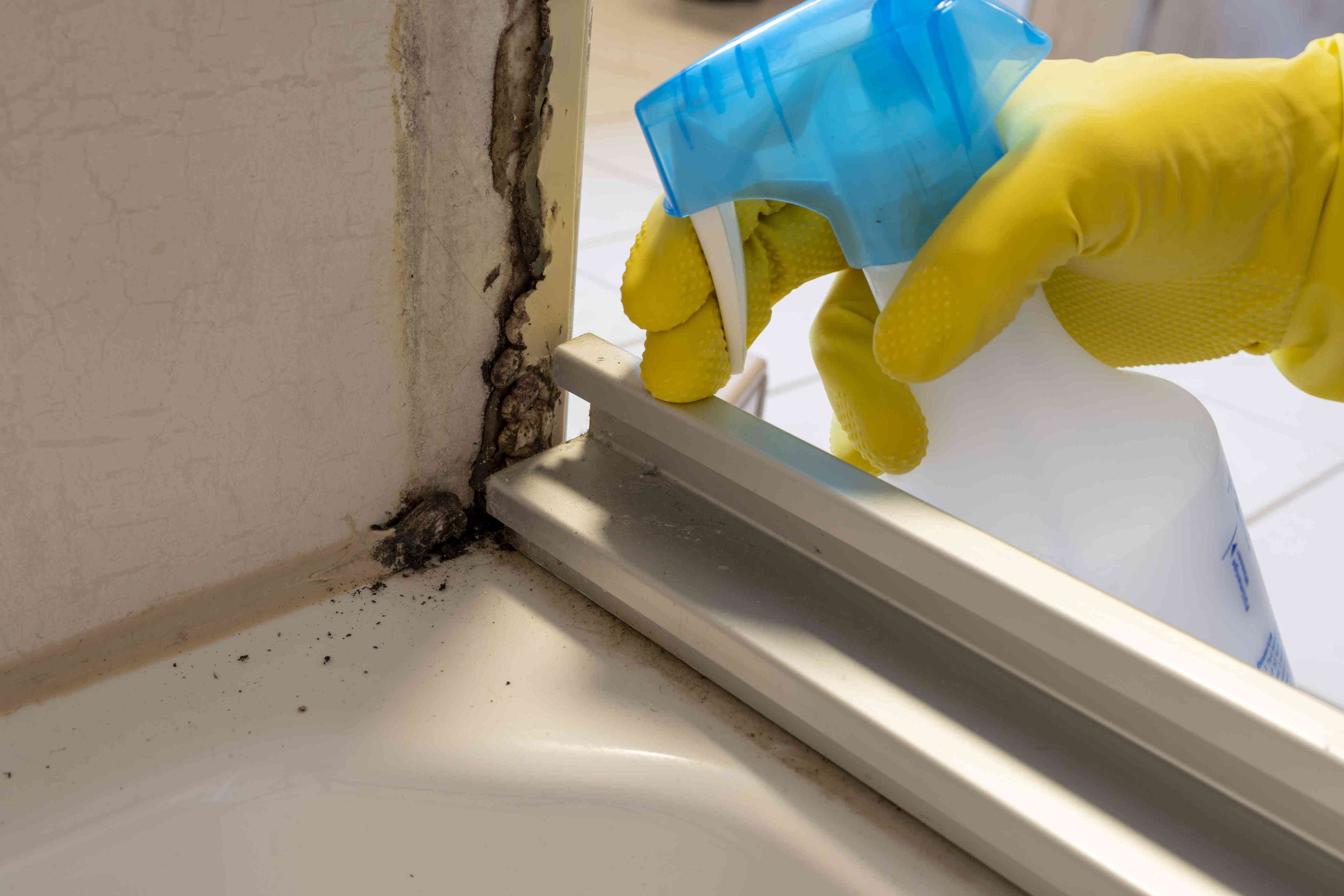
Understanding the Dangers of Mold
Mold can be a serious problem in homes, not only damaging property but also posing risks to health. Exposure to mold can lead to various issues such as wheezing, red or itchy eyes, a stuffy nose, and skin irritation. For individuals with asthma or mold allergies, the effects can be even more severe. It is crucial to address mold promptly to protect both your home and your family’s well-being.
Identifying the Source of Mold Growth
The first step in dealing with mold is identifying its source. Mold often appears in areas that are prone to moisture, such as shower walls and sink bases. However, other sources like window or roof leaks may require professional assistance. According to Andy Pace, a Healthy Home Concierge, understanding where the mold is coming from is essential for effective removal.
Safety Precautions When Dealing With Mold
When cleaning mold, it's important to take safety precautions. Mold releases spores when disturbed, which can spread throughout your home. To protect yourself, wear a mask and eye protection, and consider encasing the area with plastic to prevent spores from spreading. Using an air purifier in the space can also help reduce airborne spores.
Essential Tools and Materials for Mold Removal
To effectively remove mold, you will need several items:
- Vinegar or hydrogen peroxide
- Spray bottle
- Scrub brush
- Protective gloves
- Safety goggles
- Old cloth or sponge
- Water
- Paper towels
These tools will help you tackle mold in different areas of your home.
Effective Methods for Removing Mold
There are several methods to clean mold, depending on the type of surface and the extent of the infestation. Two common approaches include using vinegar and hydrogen peroxide.
Method 1: Using Vinegar
- Fill a spray bottle with undiluted white vinegar.
- Spray the vinegar onto the moldy surface, ensuring it is completely covered.
- Let the vinegar sit for at least an hour to kill the mold.
- Scrub the area with a brush or sponge to remove the mold.
- Rinse the area with water and dry it thoroughly.
Method 2: Using Hydrogen Peroxide
- Pour 3% hydrogen peroxide into a spray bottle.
- Spray the hydrogen peroxide onto the moldy surface.
- Let the hydrogen peroxide sit for 10 minutes to kill the mold.
- Scrub the area with a brush or sponge to remove the mold.
- Rinse the area with water and dry it thoroughly.
It is important to note that many professionals advise against using bleach for mold removal, as it may not eliminate the mold at the source and could lead to regrowth.
How Long Does It Take to Remove Mold?
The time required to remove mold depends on the severity of the infestation and the methods used. Small, surface-level mold can often be removed in a few days, while larger or deeply embedded mold may take weeks. Consistent monitoring and thorough cleaning are essential for successful mold removal.
Preventing Mold From Returning
Preventing mold involves controlling the conditions that promote its growth. Mold requires moisture, a food source, and the presence of mold itself. While it's impossible to eliminate all mold in the home, you can minimize its proliferation by:
- Regularly inspecting plumbing for leaks
- Ensuring your HVAC system is properly maintained
- Keeping indoor humidity below 50%
Fixing any leaks in your roof, walls, or plumbing is also crucial. If you notice mold, consider hiring a professional to inspect your home for potential entry points for moisture.
Improving Ventilation
Good ventilation is key to preventing mold. In bathrooms and kitchens, use exhaust fans during and after showers or cooking. Leaving doors open or windows slightly ajar can also improve airflow. However, be cautious to close doors in closets or areas where clothing is stored to avoid moisture damage.
Using a Dehumidifier
In damp areas of your home, a dehumidifier can help control moisture levels. This is particularly useful in homes located in humid climates or those with excessive moisture in the air.
Keeping Surfaces Dry
Promptly drying wet or damp materials is essential. After showering, squeegee or dry off walls before closing the door. Similarly, allow sponges or towels to air dry before storing them. Leaving the washing machine door open after use helps prevent mold and mildew buildup.
Frequently Asked Questions
Is it necessary to hire a professional for mold removal?
If the mold problem extends beyond simple surface mildew or has caused health issues, it's advisable to consult a professional mold inspector.
Can I use other cleaning products to remove mold?
Products like AFM Super Clean All-Purpose Surfactant are safe and effective for general cleaning. However, the best approach is to maintain dry conditions through proper humidity control and HVAC maintenance.
Are there other methods for removing mold?
Some people use baking soda or tea tree oil, but caution is needed when combining products to avoid harmful reactions. Always follow product instructions and safety guidelines.

Post a Comment for "How to Eliminate Mold: Expert Tips"
Post a Comment