3 Dietitians Shared Their Top Frozen Pizza Pick—It Was Surprisingly the Same
The Rise of Healthier Frozen Pizza Options
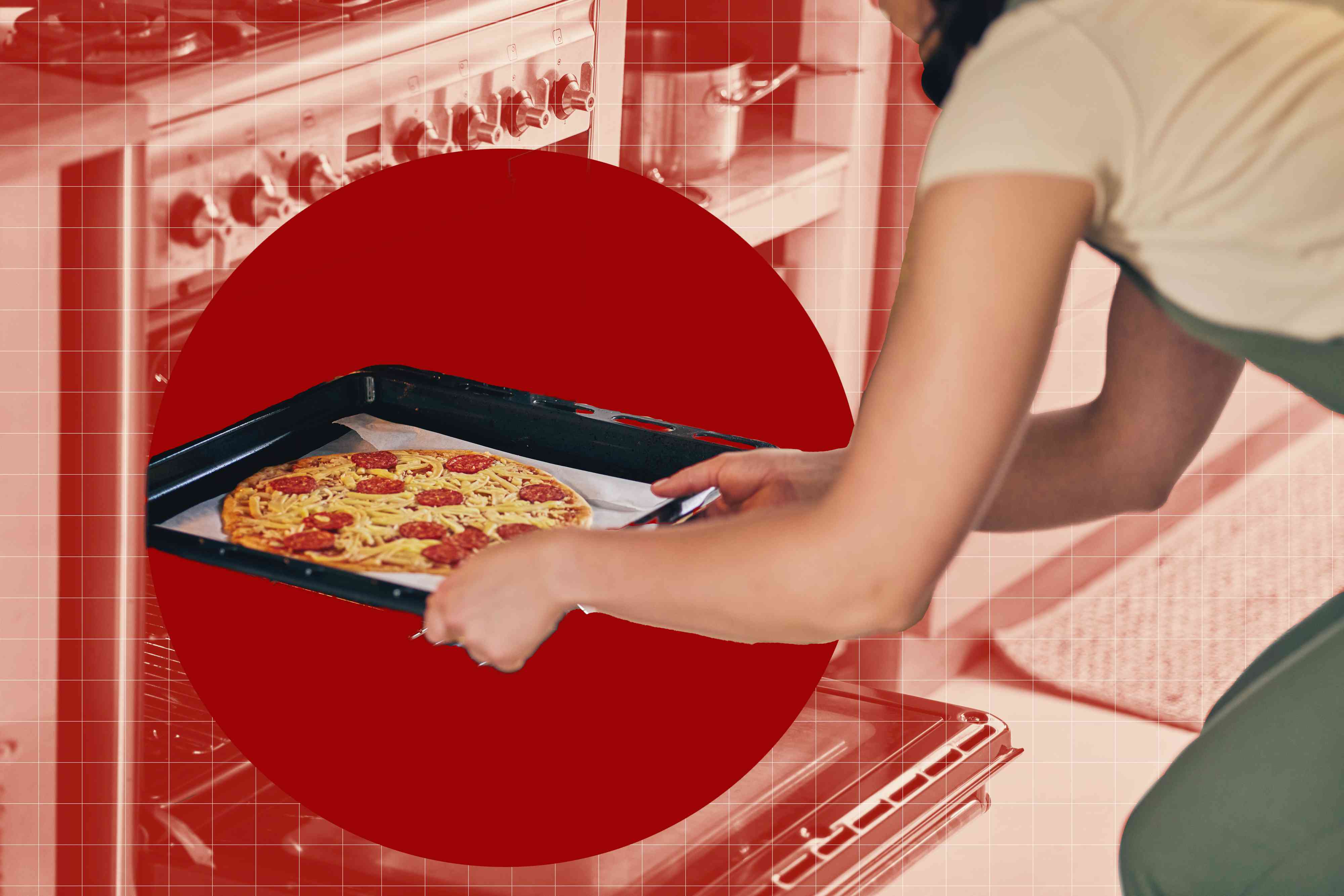
Pizza is often considered the ultimate comfort food, a go-to dinner solution that appeals to people of all ages. Whether it's kids, college students, or busy adults, pizza has a special place in many diets. In fact, it's estimated that 13% of the U.S. population eats pizza on any given day. While delivery might be convenient, frozen pizza offers a practical and budget-friendly alternative for families who are time-strapped.
However, finding a frozen pizza that aligns with health goals can be challenging. Fortunately, the frozen pizza market has evolved significantly over the years. Once dominated by classic pepperoni and cheese options, it now features a wide range of nutrition-conscious alternatives. These include vegetable-based crusts, lean proteins, and options with no artificial additives, making it easier than ever to enjoy a healthier version of this beloved dish.
Why Milton’s Roasted Vegetable Cauliflower Crust Pizza Stands Out
When asked about the healthiest frozen pizza, three dietitians unanimously recommended Milton’s Roasted Vegetable Cauliflower Crust Pizza. This option not only delivers great taste but also provides a gluten-free alternative that doesn’t feel like a compromise. It's widely available at most nationwide grocery stores, making it an accessible choice for many.
What makes this pizza a favorite among dietitians? Let’s take a closer look at its nutritional benefits and ingredients.
Made with Real Vegetables
Unlike traditional frozen pizzas that often use refined wheat flour as a base, Milton’s features a cauliflower-based crust. This unique approach allows for more fiber and antioxidants, which are essential for overall health. The crust is made from real cauliflower, offering a sneaky way to increase vegetable intake. The pizza is then topped with roasted zucchini, bell peppers, and onions, making it a delicious way to eat more veggies—something many Americans struggle with.
Provides Fiber and Protein
The cauliflower crust also means the pizza is lower in carbs and higher in fiber compared to standard frozen pizzas. Each serving (which is a generous half of a pizza) provides 3 grams of fiber and just 32 grams of carbs, along with 340 calories. What’s more, it offers 18 grams of protein per serving. This combination of fiber and protein may help minimize blood sugar spikes and keep you full for longer, both of which are beneficial for weight loss and blood sugar management.
Quality Ingredients
When selecting frozen pizzas, it’s important to look beyond the nutrition facts and examine the ingredient list. According to Laura Pensiero, RDN, the best options use real, recognizable ingredients rather than highly processed alternatives. Milton’s stands out because their cauliflower crust contains substantial amounts of cauliflower, unlike some competitors that list it far down on their ingredient panels. The pizza also includes other recognizable ingredients such as mozzarella cheese, Romano cheese, egg whites, skim milk, sea salt, basil, oregano, and roasted garlic.
Best Ways to Make Frozen Pizza Even Healthier
Dietitians agree that there are endless ways to improve the nutritional profile of frozen pizza without sacrificing taste or convenience. Here are some tips for incorporating frozen pizza into a balanced diet:
- Add extra veggies: Top your pizza with fresh or frozen vegetables, sprinkle on hemp seeds or nutritional yeast for added nutrients, and pair it with a fiber-rich side.
- Serve with other nutritious foods: Add sources of healthy fats and proteins either on top of the pizza or as a side dish. Consider adding a drizzle of olive oil, toasted pine nuts, or walnuts for healthy fats and texture.
- Be mindful of portion sizes: Some pizzas are meant to serve 2 to 3 people, so using a pizza cutter to slice smaller portions can help manage intake.
- Read nutrient labels: Look for options with at least 3 grams of fiber and 12 grams of protein, with no more than 700 mg of sodium and 5 grams of saturated fat per serving.
- Use a pizza stone: Baking on a preheated pizza stone or rack yields a crispier crust than a standard baking sheet, improving the eating experience without adding calories.
Expert Recommendations
There’s a reason dietitians recommend Milton’s Roasted Vegetable Cauliflower Crust Pizza as the healthiest frozen option. It’s made with real vegetables, offers balanced nutrition, and doesn’t compromise on taste or texture. With a thoughtful approach and a few nutritious additions, pizza can be a quick, satisfying meal that fits into a healthy eating pattern.
Whether you’re looking for a gluten-free option or a higher-protein alternative, there are plenty of choices available. Brands like Daiya, Amy’s, and Banza also offer healthier options for those following specific dietary needs. So why wait? Preheat that oven and give this dietitian-approved pie a try!

Post a Comment for "3 Dietitians Shared Their Top Frozen Pizza Pick—It Was Surprisingly the Same"
Post a Comment